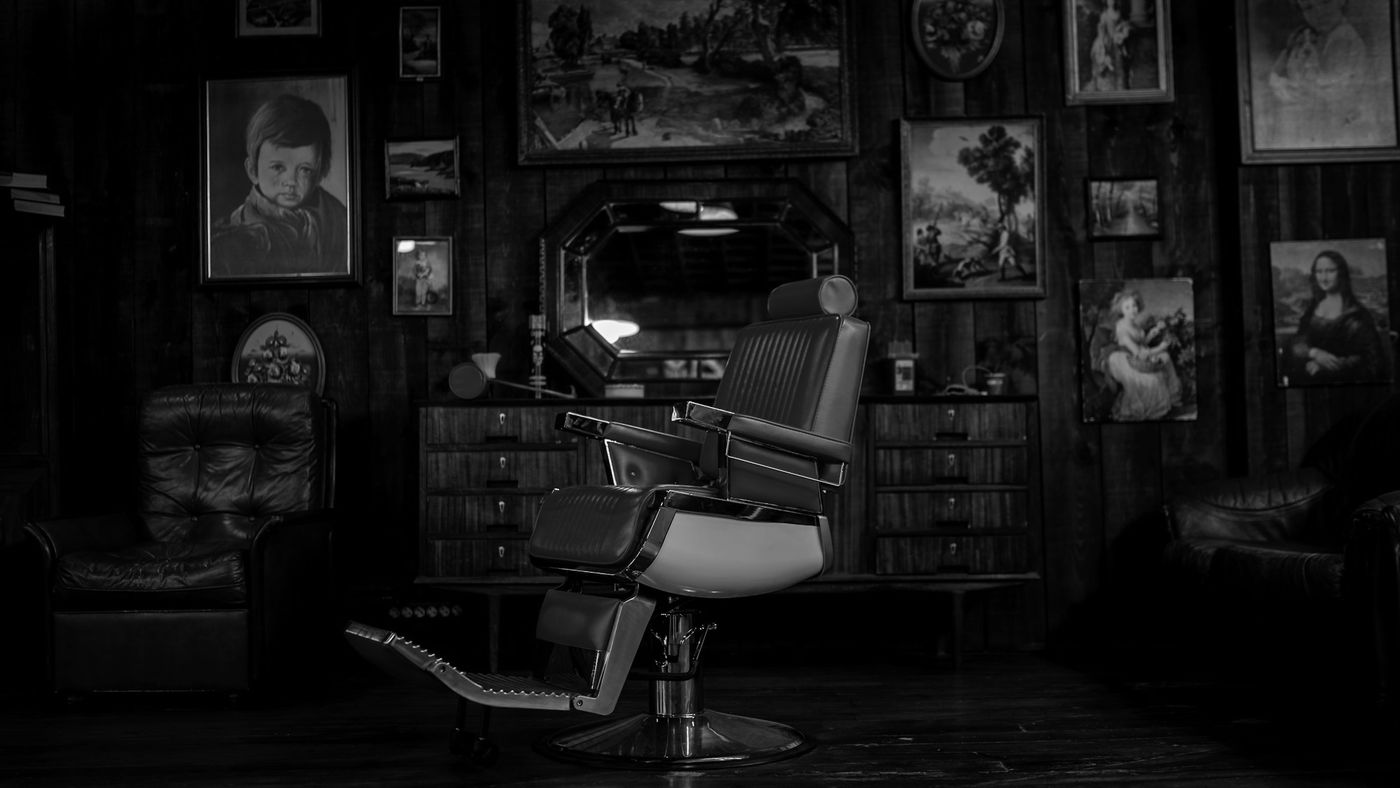
At 6100 Main St. in Williamsville, there is a barbershop — ours — and in the same building, a salon, Three Palms. People walk into the wrong one more often than you would think. Which raises a fair question: what is actually the difference between a barber and a stylist, and which one should you be seeing?
The short answer: both cut hair, but they are trained and licensed differently, and they are strongest at different things. The longer answer is below.
The quick comparison
- Barbers specialize in short haircuts, clipper work, fades and tapers, beard shaping and shaving with a razor.
- Stylists (also called hairstylists, hairdressers or cosmetologists) specialize in longer cuts, layering, color, chemical treatments and styling.
- Overlap: plenty. Good barbers do excellent scissor work on longer hair, and good stylists do clean short cuts. But each has a home turf.
What the government says
The U.S. Bureau of Labor Statistics groups the jobs together but describes them differently. Its occupational outlook for barbers, hairstylists and cosmetologists describes barbers as mainly cutting, trimming and styling hair for male clients, and also trimming beards and offering face and head shaving. Hairstylists and cosmetologists, by the same description, offer a broader range of hair services, and may also provide skin, makeup and nail services. The BLS also notes that every state requires all of them to be licensed.
That is a fair summary of the real-world difference, too.
Licensing in New York
In New York, the two jobs are licensed separately, both through the Department of State:
- Barbers hold a barber license.
- Stylists typically hold a cosmetology license, one of the state’s appearance enhancement licenses. That same category covers esthetics, nail specialty, natural hair styling and waxing.
Practically, the licensing tells you where someone trained to focus. Barber training leans heavily into clippers, short cuts and razor work. Cosmetology training covers a wider range: cutting, but also chemical treatments, color and skincare.
At our shop, Jon Palmeri and Dave Scolla are master barbers, and Michael Falzone and Bryan Castronova are licensed New York State barbers.
Tools tell the story
Walk into each and look at the stations.
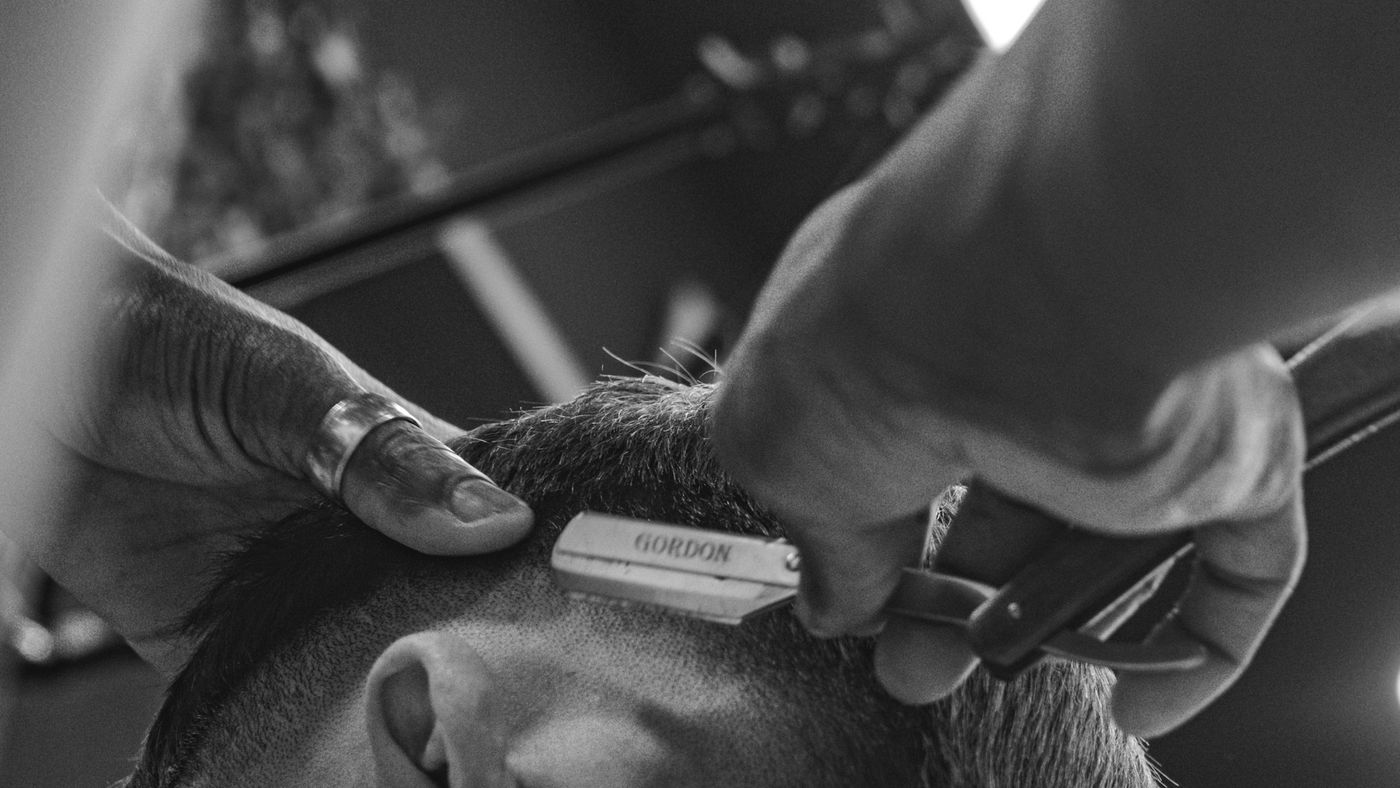
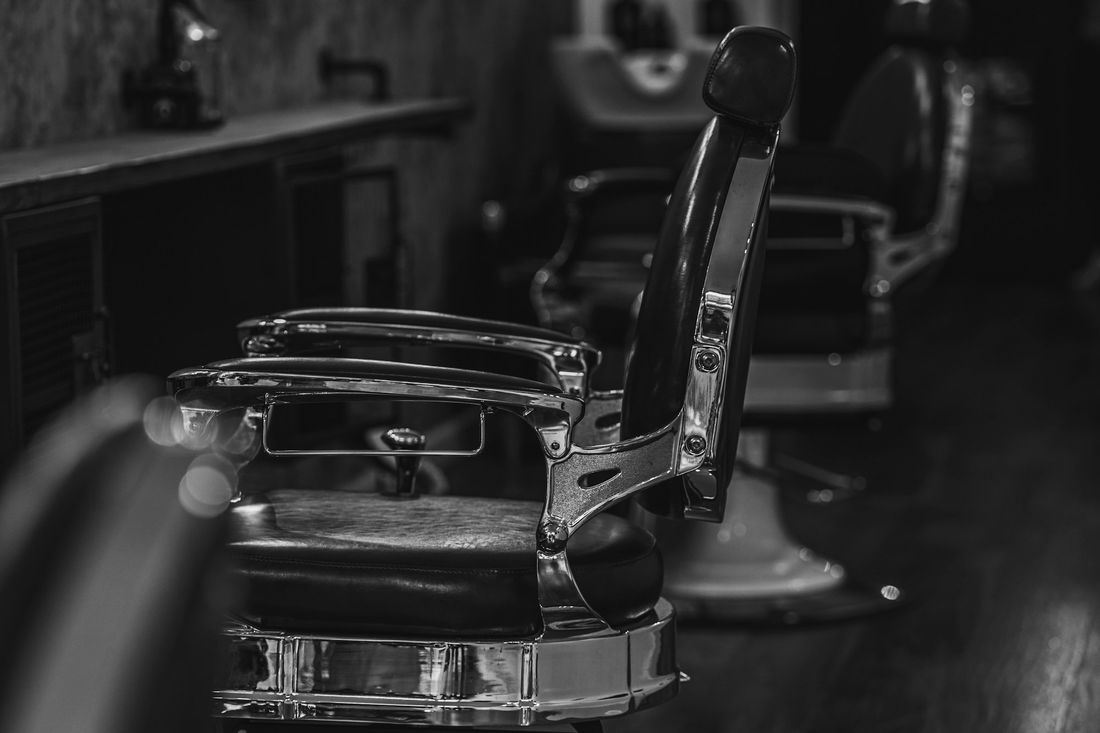
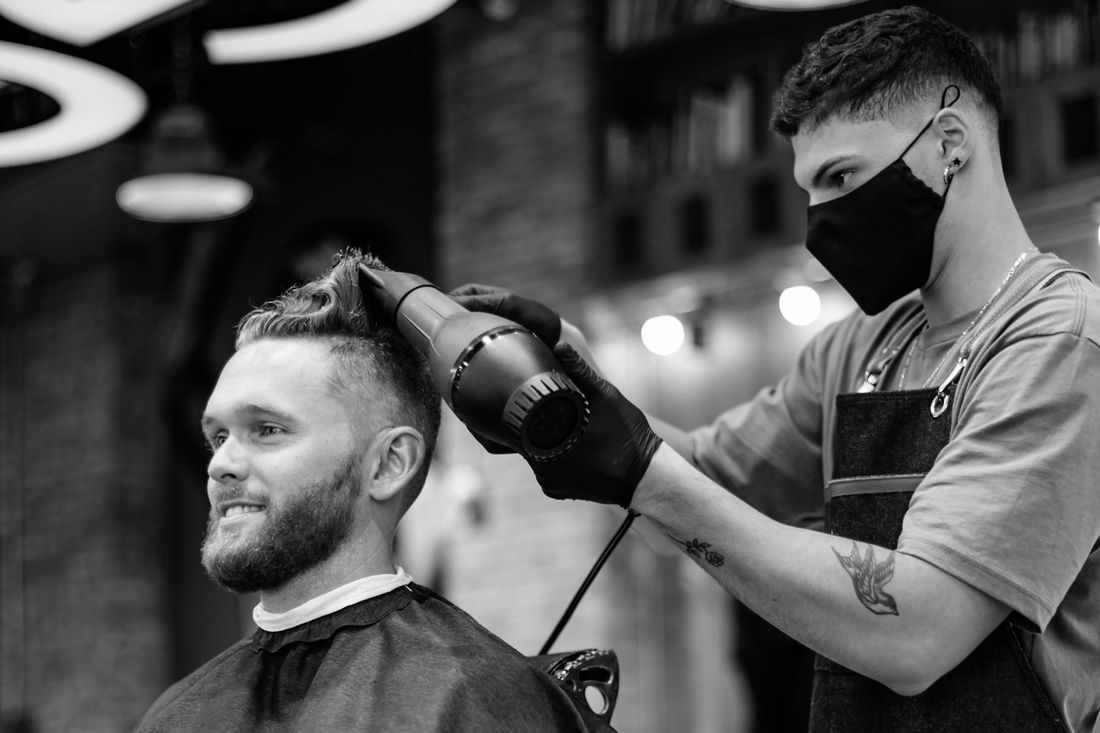
- At a barbershop: clippers and trimmers in several sizes, straight razors, edgers, neck dusters, hot towels. At ours, every Classic uses clippers, scissors, edger and straight razor.
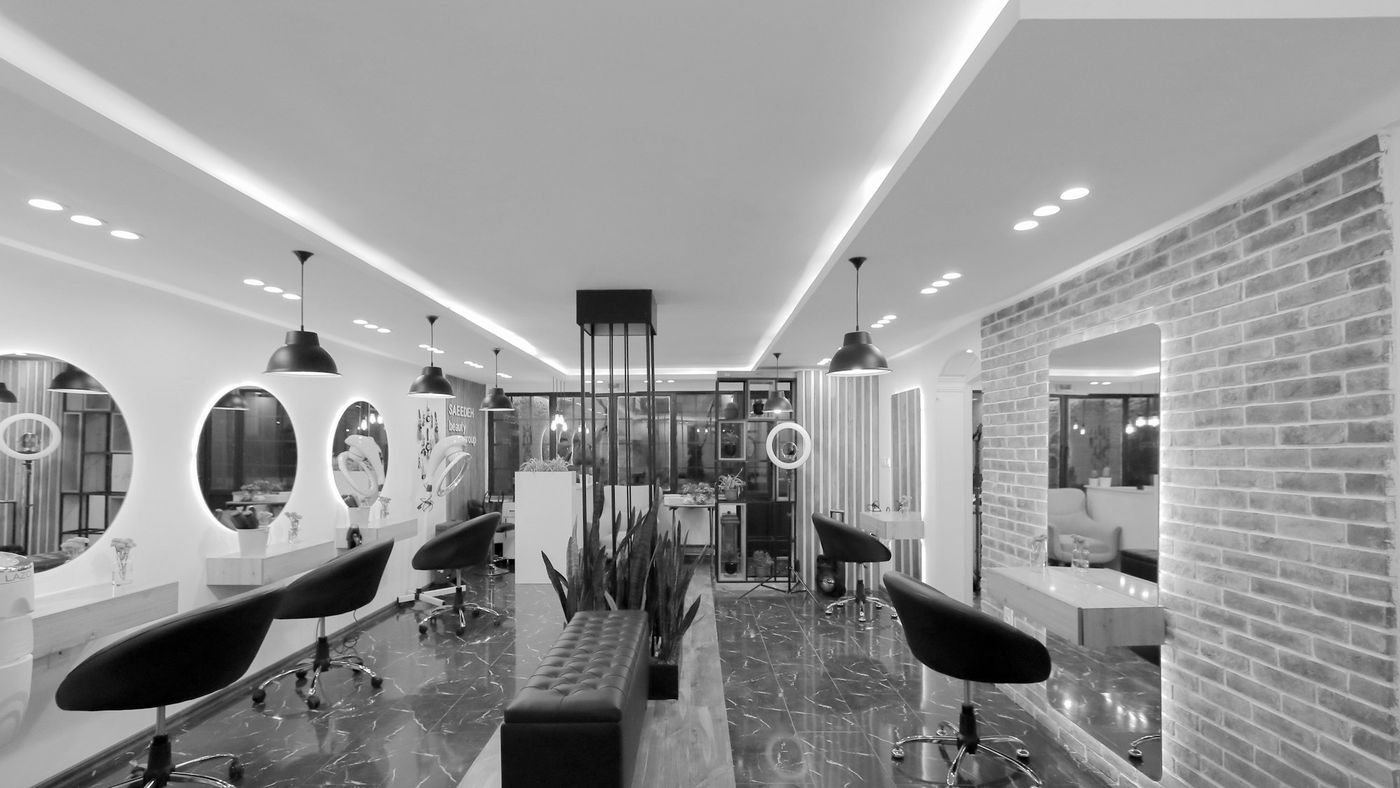
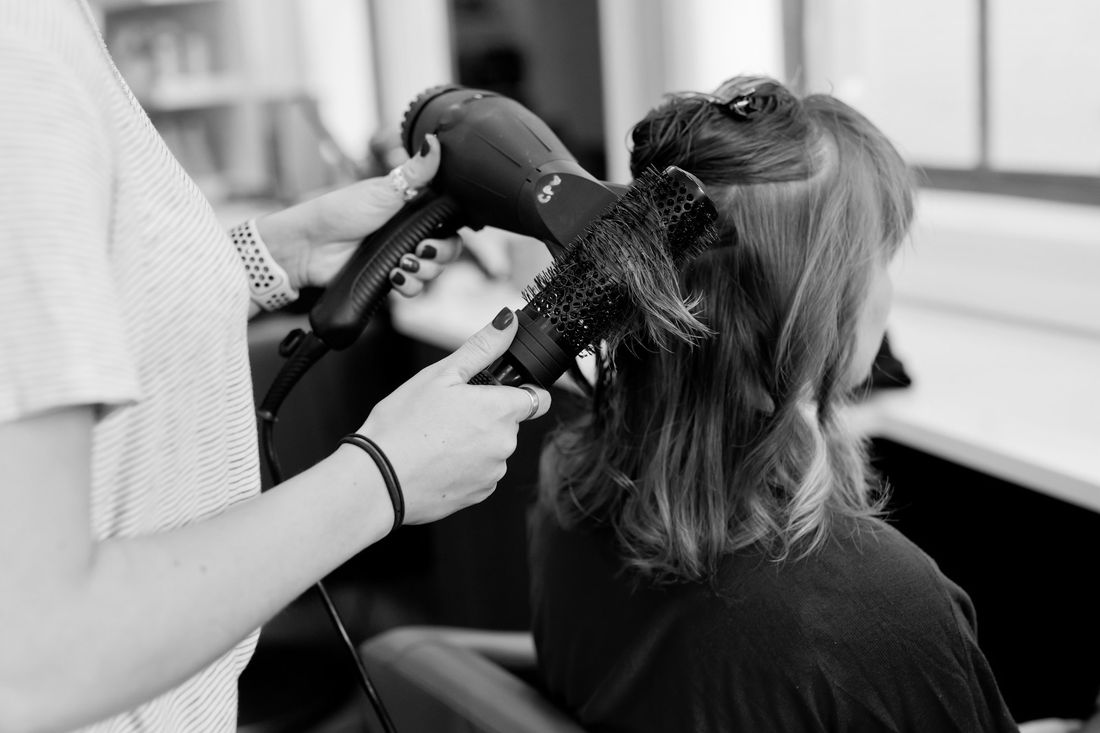
- At a salon: scissors and thinning shears, blow-dryers, round brushes, curling and flat irons, mixing bowls for color.
Neither set of tools is “better.” They are built for different jobs.
Time and price, roughly
Prices vary everywhere, so this is not about who is cheaper. It is about how the two kinds of shop are set up:
- Barbershops are usually built around short, frequent appointments. A Classic at our shop takes about thirty minutes and starts at $25. An Edge Up takes ten to fifteen minutes and starts at $12.
- Salons often book longer appointments, because color, chemical work and long cuts simply take longer. Pricing usually reflects that.
Neither model is better. If you want a short cut every three or four weeks, a barbershop’s rhythm will probably suit you. If you want color every couple of months, a salon’s will.
When you want a barber
- Short cuts — anything with clipper work on the sides: tapers, fades, crew cuts, buzzes.
- Sharp outlines — a razor-finished hairline and neckline. See our edge up explainer.
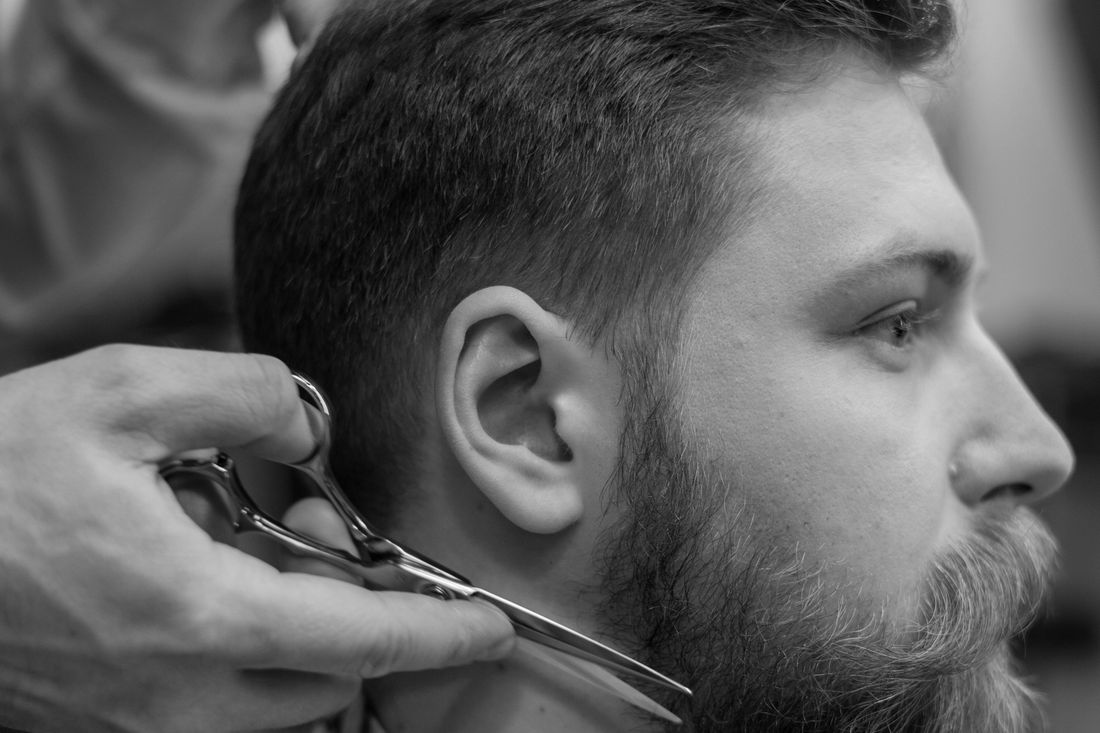
- Beard work — shaping, line work, trims while growing one out.
- Shaves — a full hot towel shave with a razor. Our hot towel shave guide walks through it.
- Quick, frequent maintenance — barbershops are set up for cuts every few weeks.
When you want a stylist
- Hair color of any kind, including highlights and covering gray.
- Chemical services — perms, straightening, relaxing.
- Long hair — especially complex layered cuts on long hair.
- Blowouts and styling for events.
- Hair and skin services together, depending on the salon.
The gray zone: medium-length men’s hair
This is where the line really blurs. If you wear your hair around ear length, with some layering, either a barber or a stylist can do a great job. The deciding factors are usually:
- What happens on the sides. If you want any clipper work or a taper, lean toward a barber.
- Whether you want color. If yes, lean toward a stylist.
- Whether you have a beard. If the beard is part of the look, a barber can shape both together.
Honestly, the person matters more than the title. A barber who is great with scissors beats a stylist who is not, and the other way around.
Questions to ask yourself before booking
- How short do I want the sides? The shorter they are, the more you will benefit from a barber.
- Do I want my hair to look different color-wise? If yes, you need a stylist for that part.
- How often am I willing to come in? Barbershops are built for every three to five weeks. Salons often space appointments further apart.
- Do I care about my beard? If yes, a barber can treat the beard and haircut as one look.
Answer those four, and the choice usually makes itself.
What about kids?
For boys, a barbershop works well for most cuts. Kids’ cuts at our shop are the same price as an adult cut, about thirty minutes, with a booster seat or a parent’s lap. Our barbershop vs. kids’ salon post goes into much more detail.
We do not cut girls’ hair at the barbershop. For that, we send families to Three Palms Salon, in the same building as our Williamsville shop.
Barber vs. hairdresser: is that different?
Not really. “Hairdresser” is an older and more British-sounding word for a stylist. In New York, a hairdresser or a stylist is usually working under a cosmetology license, and the comparison with a barber is the same as above.
Why the barber pole is red and white
A bit of history, since you are going to see one on the way in. Barbers in Europe once did much more than cut hair — they pulled teeth, performed minor surgery and practiced bloodletting. The red and white stripes are widely said to come from that era: red for blood, white for bandages. The blue on many American poles is usually credited to the flag. These days, the pole just means you are in the right place for a short cut and a sharp outline.
Questions to ask any new barber or stylist
Whichever you choose, a few questions on the first visit tell you a lot:
- “What would you do with my hair?” A good one has an opinion, and explains it.
- “How often should I come back for this cut?” An honest answer here is a good sign.
- “What should I use on it at home?” Listen for simple answers. If the answer is five products, ask again.
- “Can I book you again?” If the answer is yes, and the cut was good, you are done searching.
How to decide in ten seconds
- Clippers on the sides, a beard, or a shave? Barber.
- Color, chemicals or long layers? Stylist.
- Somewhere in between? Whichever person you trust — and stick with them.
Our Williamsville shop
6100 Main St., Williamsville, NY 14221. Tuesday through Friday 9AM to 6PM, Saturday 8AM to noon. A Classic starts at $25, Classic & Beard at $35, Hot Towel Shave at $25, Edge Up at $12 — full menu on the services page. Brow, ear and nose waxing is available here, too; see our waxing guide.
If you are not sure which door to walk through, call us at 716-389-0192. If what you want is a barber’s job, we will book you in. If it is a stylist’s job, we will tell you so. Or book online any time, and read our Williamsville barber guide before your first visit.
Can one person do both?
Sometimes. Some professionals hold both a barber license and a cosmetology license, and some shops offer both kinds of service under one roof. That can be very convenient, especially for families. But it is worth asking what a person actually spends most of their working day doing. Someone who cuts twenty fades a week will usually be sharper at fades than someone who cuts two, whatever license is on the wall. The same applies to color.
The simplest test is to look at their recent work — Instagram is good for this. Our barbers’ handles are on the barbers page, so you can see exactly what Jon, Dave, Michael and Bryan have been cutting lately before you book.
One last thing: switching is fine
Plenty of men see a stylist for years and then switch to a barber when they go shorter, or the other way around when they grow it out. Neither one will be offended. Tell your new barber or stylist what you had before and what you liked about it, bring a photo of your best cut if you have one, and give it two or three visits before you judge. The first cut with anyone new is the one where they are learning your hair.