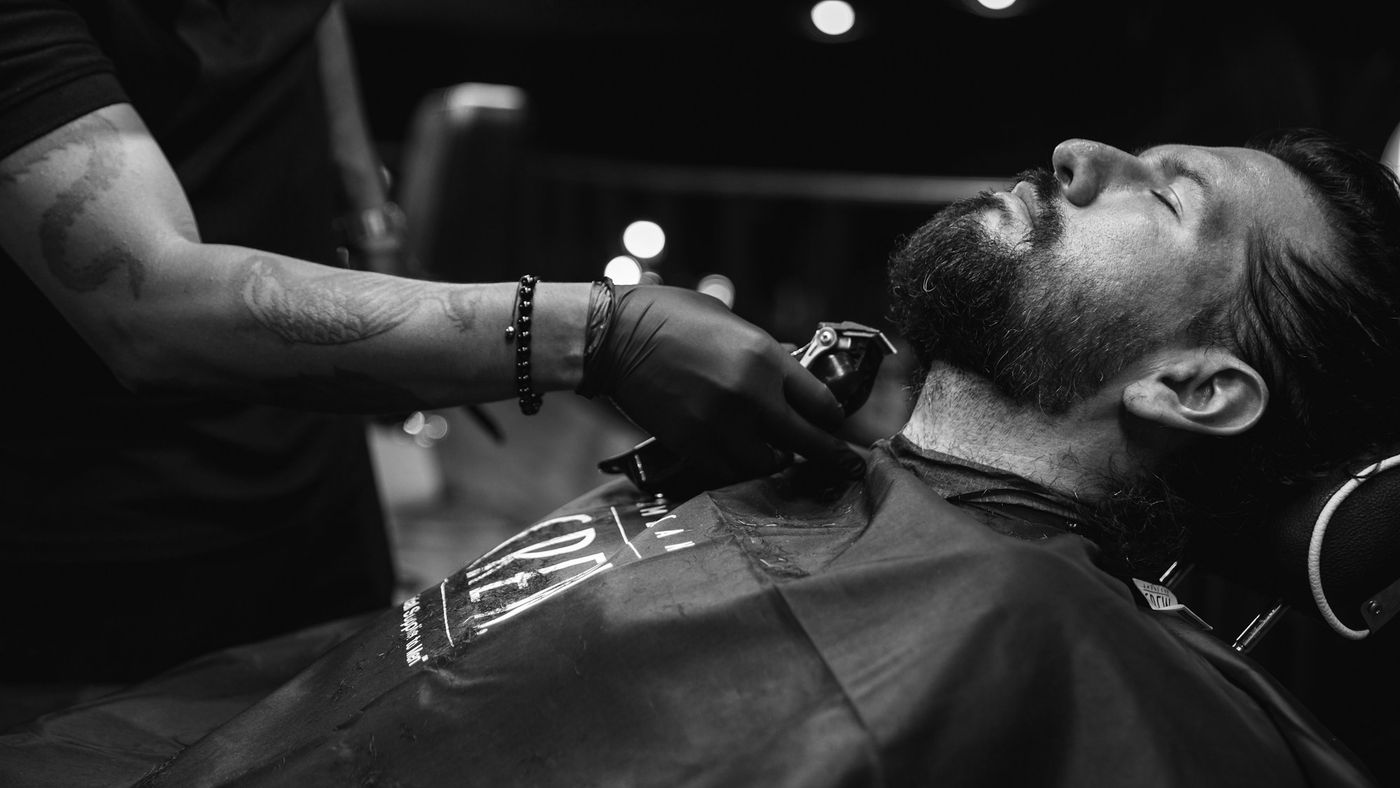
Here is the honest answer up front: for most men, a beard that looks full and deliberate takes somewhere around two to three months of growth. Some get there faster. Some never get full coverage in certain spots, no matter how long they wait. Genetics decides most of it, and nobody — not your barber, not a supplement, not an oil — overrides that.
What you can control is whether those months look scruffy or intentional. That is where this timeline comes in. We will go week by week, and tell you exactly when to leave it alone and when to get in a chair.
Weeks 1–2: Stubble
This is the easy part. Stubble looks good on almost everyone, and nobody at work will ask whether you are growing a beard. They will just assume you skipped a few shaves.
What to do: nothing to the length. Keep your skin clean, wash your face like you normally would, and resist the temptation to shape anything yet. You do not know where the beard wants to grow, so you cannot shape it.
The one exception: your neck. If stubble running down your neck bothers you, you can keep shaving below your jawline. But do not shave it too high — more on that in a minute.
Weeks 3–4: The itch, and the danger zone
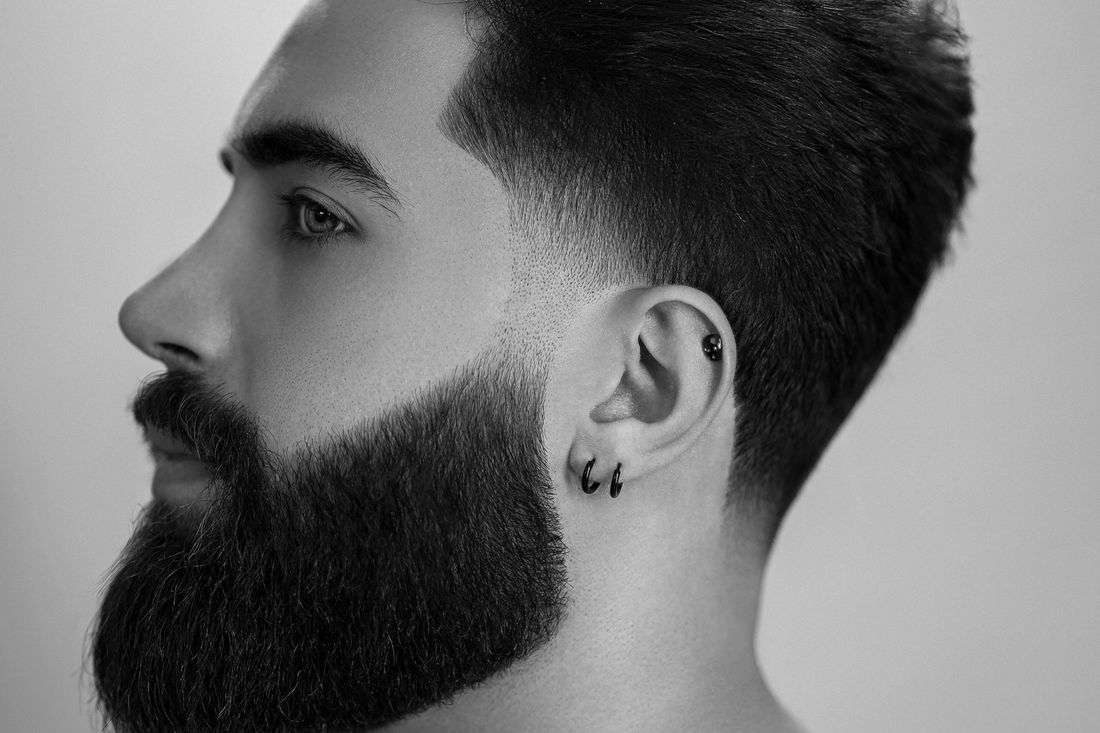
This is where most beards die. The hair is long enough to curl back toward the skin, and it itches. It looks patchy, because the slower areas have not caught up yet. And it is not long enough to look like a beard — it just looks like you stopped caring.
What to do:
- Wash it, then moisturize the skin underneath. A lot of the itch is dry skin, not the hair itself.
- Do not scratch at bumps. Some hairs may curl back into the skin. The Mayo Clinic’s guide to ingrown hair covers why it happens and when it is worth seeing a doctor.
- Get a cleanup, not a trim. This is the first point where a barber is genuinely useful. A neckline and cheek line make an uneven four-week beard look like a choice. The length stays; the edges get sharp.
At our shops, the right booking here is either the Edge Up (from $12, 10–15 minutes) if you only want the lines tidied, or Classic & Beard (from $35) if you are due a haircut anyway.
Weeks 5–8: The awkward middle
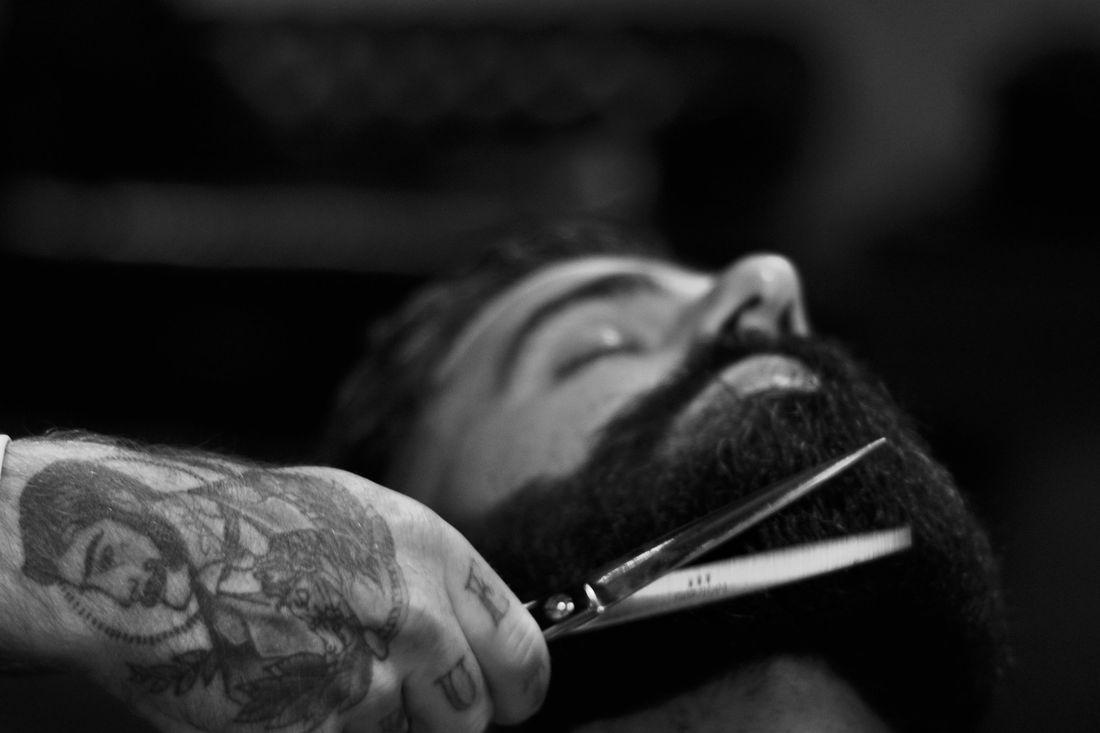
Patches start to fill in. The beard has real length for the first time, and it starts to get its own shape — often not the shape you want. It may be wider at the cheeks than the chin, or longer under the jaw than on the sides.
What to do:
- Let the slow areas catch up. Do not trim the fast areas to match the slow ones yet. That just keeps everything short.
- Shape, do not shorten. A barber can take bulk off the sides of the face so the beard looks narrower and more deliberate, while leaving length at the chin.
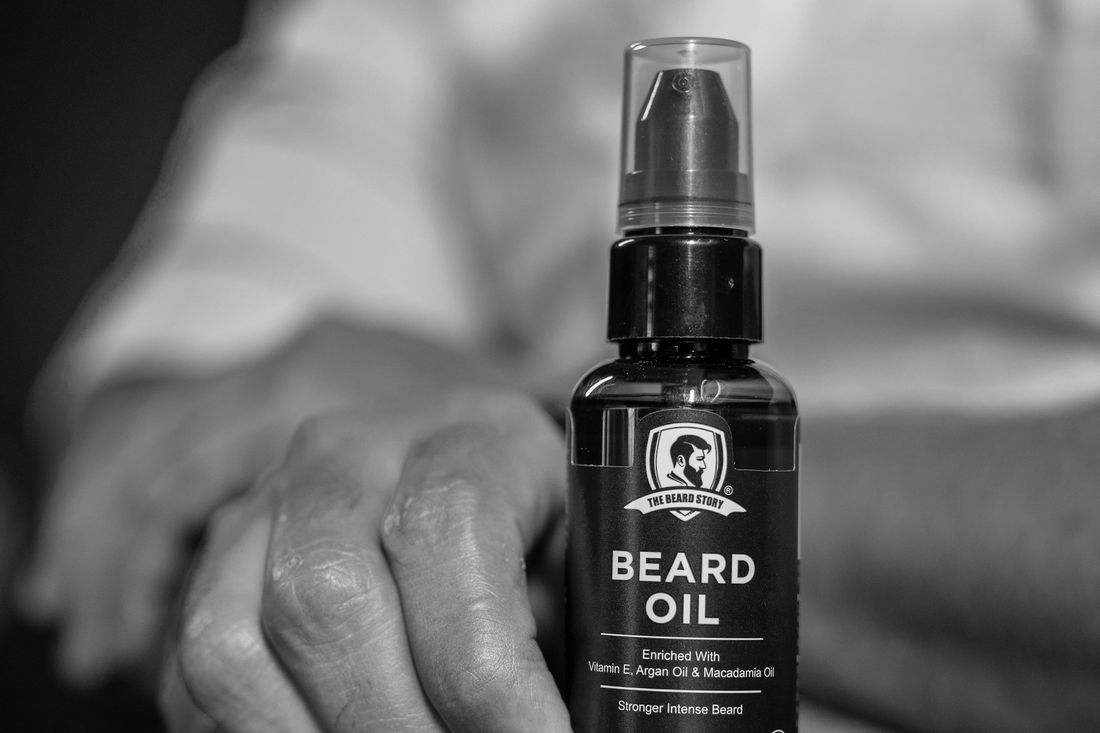
- Start using a product. A little beard oil or balm softens the hair and makes it easier to brush into place. Use whatever you like the feel of; there is no magic ingredient.
Weeks 9–12: It starts looking like a beard
For most men, this is where the beard looks full and finished. Coverage is as complete as it is going to get. The beard has enough length to be shaped properly.
What to do: now is the time for a proper beard sculpt. That means deciding on the overall shape — how long at the chin, how wide at the sides, how high the cheek line sits — and then maintaining it. In our shops, that is the beard sculpting and line work in Classic & Beard, from $35, about 30 minutes, and it includes the full haircut.
From here, most beards look best with a trim every few weeks, usually at the same time as a haircut. That keeps the haircut and the beard looking like they belong to the same person.
Month 4 and beyond
If you want length past this point, the rules flip: you trim less, not more. Get the outline cleaned and the bulk balanced, but leave the length alone and let it grow. Long beards need patience, a good brush and a barber who will not get scissor-happy.
Picking a shape for your face
Once you have real length — usually around week eight onward — it helps to know what shape to aim for. These are general rules of thumb, and your barber will adjust to your actual face:
- Rounder faces usually look best with the beard kept shorter at the sides and a little longer at the chin. It adds length and makes the face look less wide.
- Longer, narrower faces usually look best with more fullness at the sides and less length at the chin, so the face does not look stretched.
- Strong, square jaws can carry almost anything, but a neat, even length that follows the jaw shows it off best.
- Patchy cheeks often look better with a lower cheek line, so the beard starts where it is actually dense.
A daily routine that takes two minutes
- Wash it a few times a week with something gentle. Scrubbing it with harsh soap every day dries out the skin underneath, which brings back the itch.
- Dry it properly. Pat, do not rub.
- A few drops of oil or a bit of balm, worked through to the skin.
- Brush or comb it into shape. This trains the hair to grow in the direction you want, especially at the cheeks and under the chin.
That is genuinely all most beards need. Everything else is trimming, which is better done in a chair than over a sink.
Three beard myths worth ignoring
- “Shaving makes it grow back thicker.” It does not. Shaved hair can feel coarser as it grows back because of the blunt cut end, but you do not get more of it.
- “Never trim while growing.” Trimming the length slows you down. Cleaning up the lines does not, and it makes the whole process far easier to live with.
- “Beard oil makes it grow faster.” Oil helps the hair and skin feel better. It does not change how fast your beard grows.
The neckline mistake almost everyone makes
When people shave their own neck while growing a beard, they almost always shave it too high — right at the jawline. From the front, that makes the beard look like it is stuck on.
The usual guide: the neckline should sit roughly a finger or two above your Adam’s apple, curving back up toward the ears. A barber will set it the first time; after that, you can maintain it yourself by following the line they left.
What actually affects how fast it grows
- Genetics. By far the biggest factor. Look at your father’s and grandfathers’ beards for a rough preview.
- Age. Facial hair often keeps filling in through your twenties. A patchy beard at 20 may look very different at 28.
- Sleep, diet and general health. They will not make a thin beard thick, but being run down does not help anything grow.
If you have sudden patchy hair loss in your beard or scalp — round, smooth spots that were not there before — that is a reason to see a doctor, not a barber.
Mustache: the part everyone forgets
A growing beard usually comes with a growing mustache, and by week four or five it starts to hang over your top lip. That is the moment most people grab the scissors at home and cut it straight across, too short.
Better options:
- Trim only the hairs actually touching your lip, and leave the rest of the length alone.
- Comb it to the sides for a few weeks while it gets long enough to train.
- Have your barber clean the edge during a beard cleanup — they can take it back just enough to stay off your lip without making it look clipped.
Growing a beard through a Buffalo winter
A lot of people around here start a beard in the fall and keep it through the cold months. A few things are different in winter:
- The skin dries out faster, so the itch can last longer. Moisturizing underneath matters more than usual.
- Hot showers feel great and make it worse. Lukewarm water on the face is kinder to the skin under a beard.
- Scarves and collars rub the neckline, so a clean neckline helps the whole thing look neater when you are bundled up.
When to bring it to a barber
The short version of everything above:
- Week 3 or 4: first cleanup — lines only.
- Week 6 to 8: first shaping — take bulk off the sides, keep the length.
- Week 10 to 12: first full sculpt, then maintain every few weeks with your haircut.
Our Tonawanda shop at 578 Delaware St. opens at 7AM Tuesday through Friday and 8AM Saturday. Dorian Mayham, Sam Balesteri and Zaid Blasiny all do beard work.
Book online or call 716-389-0192. Tell your barber how many weeks in you are. It changes what they do. For the rest of the menu, see the services page, and if you also want the smooth-shaven option some days, read our hot towel shave guide.