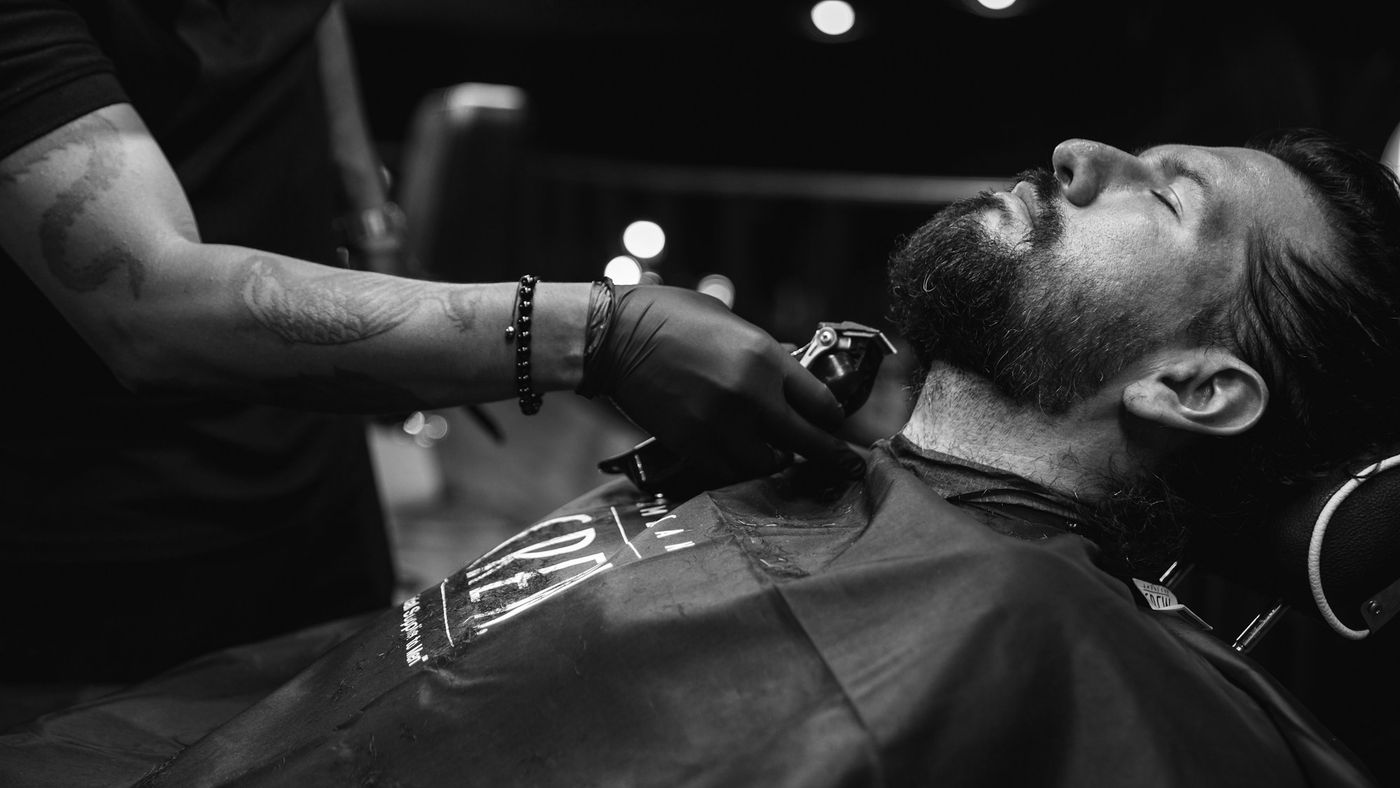
If you want the one-sentence answer: beard oil is mainly for the skin underneath your beard; beard balm is mainly for the shape of the beard itself. Oil moisturizes and softens. Balm moisturizes a little and holds a lot.
Which one you need depends on how long your beard is, how unruly it is and what the weather is doing. So let us go through it the way you would compare any two tools: round by round.
What each one actually is
Beard oil
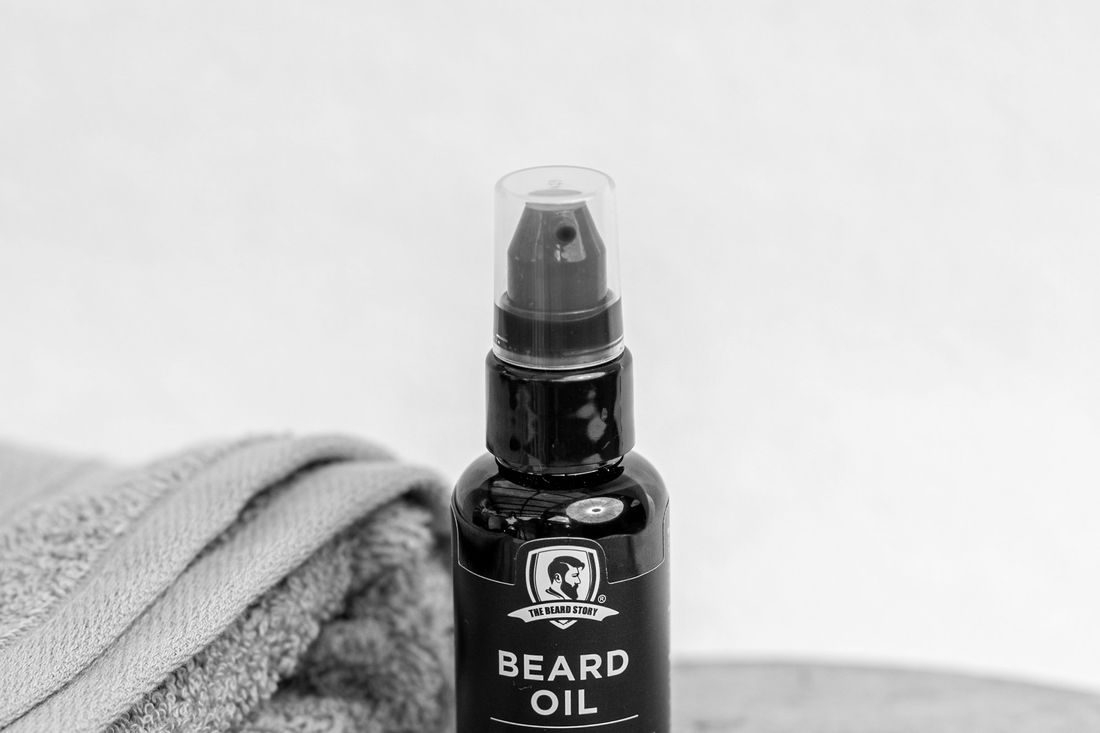
A blend of oils, usually light ones, sometimes with a little fragrance. It is liquid, comes in a small dropper bottle, and absorbs into the skin and hair. A few drops is a full dose.
Beard balm
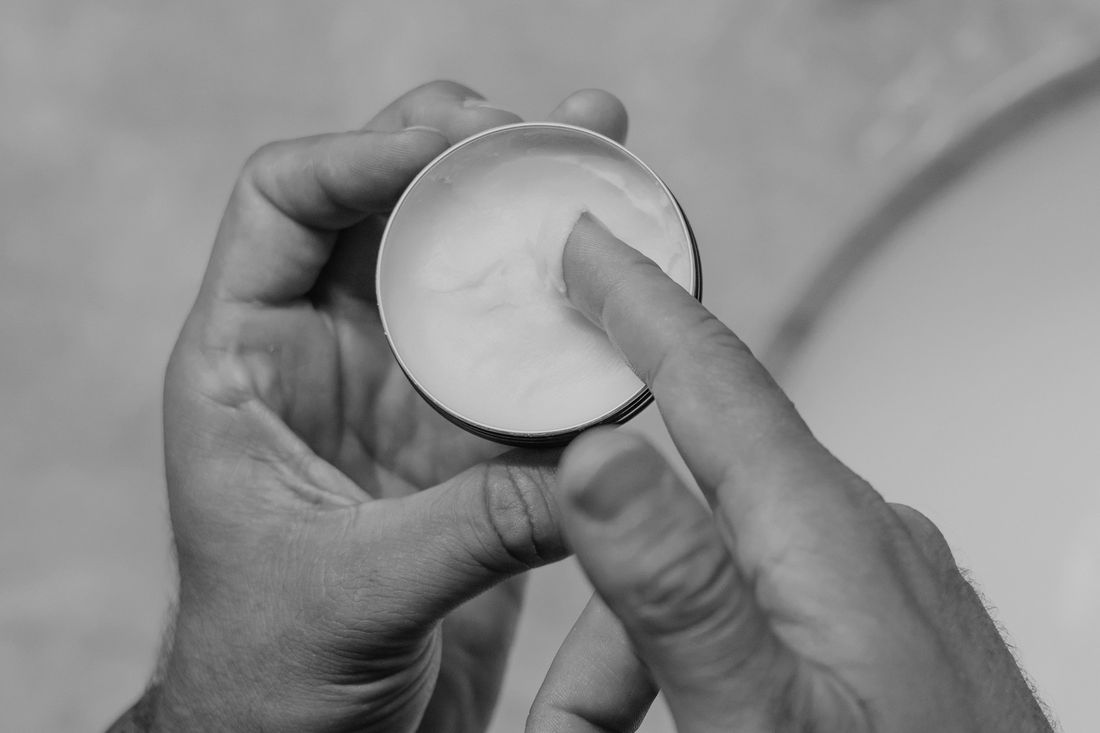
A soft, solid product in a tin, usually made from oils plus a wax and a butter. You scrape a little out with a fingernail, warm it between your palms and work it in. The wax is what gives it hold.
There is a third cousin, beard butter, which sits between the two: softer than a balm, with less hold, and more moisture than an oil. If you see it on a shelf, think of it as a richer oil.
Round 1: The itch
Winner: oil.
Most beard itch is dry skin under the hair, not the hair itself. Oil gets to the skin better than balm does, because it is thin and it soaks in. If your beard is short, new or itchy, oil is the one to reach for first. Our beard-growth timeline explains why weeks three and four are the itchiest — and why that is exactly when oil helps most.
Round 2: Flyaways and shape
Winner: balm.
If your beard has hairs going in every direction, or it puffs out at the sides, balm is the fix. The wax gives you light hold, so the beard stays where you brush it. Oil softens the hair, which helps a little, but it does not hold anything in place.
Round 3: Short beards
Winner: oil.
On stubble and short beards — roughly the first month or two of growth — there is not much to shape. What you need is soft hair and comfortable skin. Balm on a very short beard can feel heavy and leave residue.
Round 4: Long beards
Winner: balm, or both.
Once a beard has real length, it needs help keeping its shape, and the ends need moisture so they do not get dry and wiry. Many people with long beards use oil on the skin and balm on the length.
Round 5: Buffalo winters
Winner: both, in that order.
Cold air outside and dry heat inside are hard on skin. In winter, a lot of people find oil alone is not enough — the beard feels dry again by lunchtime. A little balm on top of the oil seals some of that moisture in and keeps a scarf-crushed beard in shape.
Round 6: Scent and feel
A tie.
Both come scented and unscented. Oil usually feels lighter; balm feels a little heavier and can leave a slight film until it is worked in. If you are sensitive to fragrance, choose unscented, and patch-test anything new on a small area of skin first. The FDA has a useful page on allergens in cosmetics, including fragrance, if you react to products easily.
How to apply beard oil
- After a shower, when the skin is warm and the beard is towel-dried but still slightly damp.
- Two to five drops, depending on beard length. Start with fewer.
- Rub between your palms, then work it in with your fingertips, all the way to the skin.
- Comb or brush it through to spread it evenly.
- Do not overdo it. Too much oil just makes a beard look greasy.
How to apply beard balm
- Scrape a small amount — a pea-sized amount for a short-to-medium beard — with your thumbnail.
- Warm it between your palms until it melts slightly.
- Work it through from the bottom up, then smooth down.
- Comb or brush into shape. This is where the hold does its work.
- Go easy on short beards. A little goes a long way.
Using both
If you use both, the order is: oil first, balm second. Oil on the skin and the base of the beard; balm through the length to shape it. Use a little less of each than you would on its own.
It sounds like a lot. In practice, it takes about a minute.
Oil or balm, by beard type
Length is the main factor, but the type of hair in your beard matters too:
- Coarse, wiry beards usually benefit from both. Oil softens the hair; balm keeps the wiry bits from springing out.
- Curly beards tend to be drier, because the natural oils from your skin have a harder time traveling down a curl. Oil is close to essential, and balm helps define the shape without flattening it.
- Fine or soft beards can be weighed down easily. A couple of drops of oil is often enough; balm, if used, should be a very small amount.
- Patchy beards look fuller when the hair is soft and brushed in one direction. Oil plus a good brush does more here than any heavy product.
- Gray or graying beards can feel coarser and drier than they used to. Oil helps, and a light balm keeps the texture under control.
Brush or comb?
Whichever product you use, how you spread it matters almost as much as what it is.
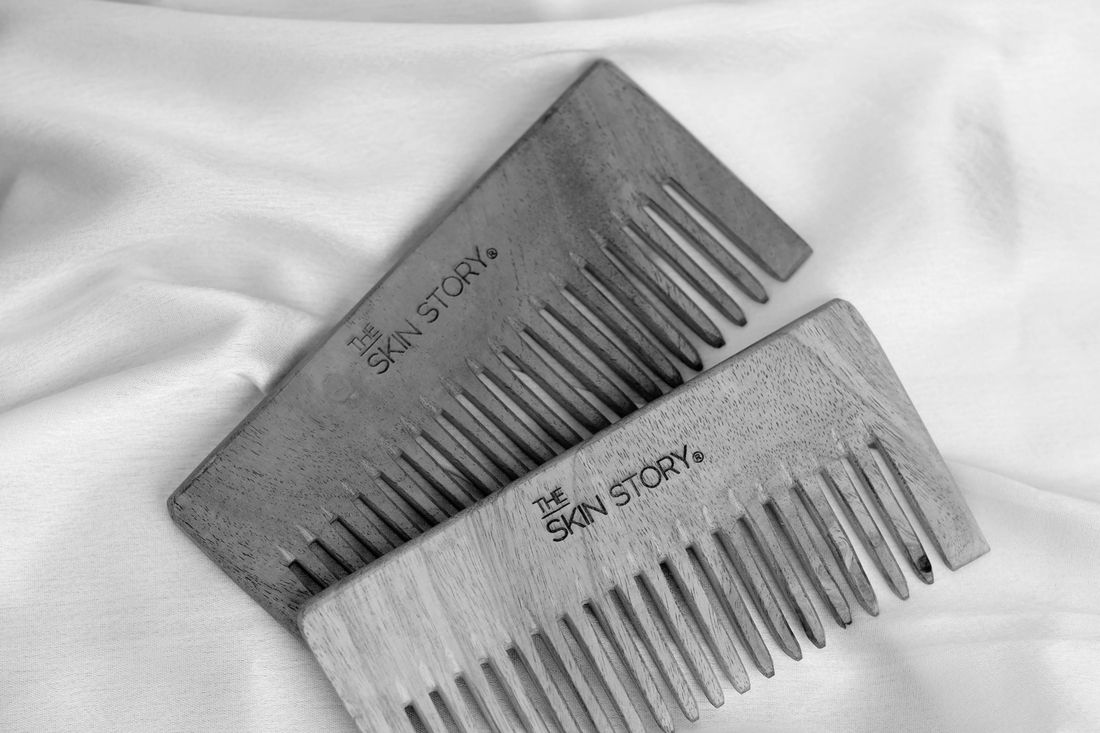
- A comb is best for longer beards, for detangling and for making sure product reaches the ends. Wide-toothed combs are kinder to curly or coarse hair.
- A brush is best for shorter beards and for training the hair to lie flat. Brushing also helps spread oil down from the skin through the hair.
- Plenty of people use both: a comb to work product through, then a brush to finish.
Brush in the direction you want the beard to go, every day, and within a few weeks the hair starts to grow that way on its own.
How long a bottle or tin lasts
Used sensibly — a few drops of oil, a pea-sized scrape of balm — a small bottle or tin lasts most people a couple of months. If you are going through it in two weeks, you are almost certainly using too much. Less product, applied every day, gives a better result than a lot of product applied when you remember.
Three myths to ignore
- “Beard oil makes your beard grow faster.” It does not. It makes the beard you have softer and the skin under it more comfortable. Growth rate is mostly genetics.
- “Balm will fill in patches.” It will not grow new hair. It can help you style the hair you have to cover a patch a little better, which is not nothing.
- “More product equals a better beard.” More product usually equals a greasy, heavy beard. Small amounts, applied consistently, beat big amounts applied occasionally.
What neither one can do
No product fixes a beard that needs a trim. If the neckline has crept up to your jaw, the cheek line is ragged or the sides are wider than the chin, oil and balm will make that shape softer and shinier — but it is still the wrong shape. That is a job for a barber.
At our shops, beard work comes with Classic & Beard, from $35: a full haircut plus beard sculpting and line work, about thirty minutes. If only the lines need tidying between cuts, an Edge Up (from $12) includes the outline and a neck shave.
And if a beard is not working out and you would rather go clean-shaven, our hot towel shave guide is the place to start.
Skin problems are a different issue
If your beard area has bumps, redness or flaking that does not improve with a simple routine, that is not something a product swap will fix. Ingrown hairs are common, especially with curly beard hair — the Mayo Clinic’s page on ingrown hair explains why — and persistent rashes are worth showing a doctor or dermatologist.
The quick decision guide
- Short beard, itchy skin: oil.
- Medium beard, flyaways: balm, or oil plus a little balm.
- Long beard: oil on the skin, balm on the length.
- Winter: both.
- Summer, short beard: a couple of drops of oil, or nothing at all.
- Wrong shape: neither — book a trim.
Get the shape right first
Any product works better on a beard that has been shaped properly. Our Tonawanda shop at 578 Delaware St. does beard sculpting and line work with every Classic & Beard. Dorian Mayham, Sam Balesteri and Zaid Blasiny all do beard work, and the shop opens at 7AM Tuesday through Friday and 8AM on Saturday.
Book online or call 716-389-0192. While you are in the chair, ask your barber what they would use on your beard. They see a lot of beards and they will tell you honestly whether oil, balm or nothing at all is the right call.