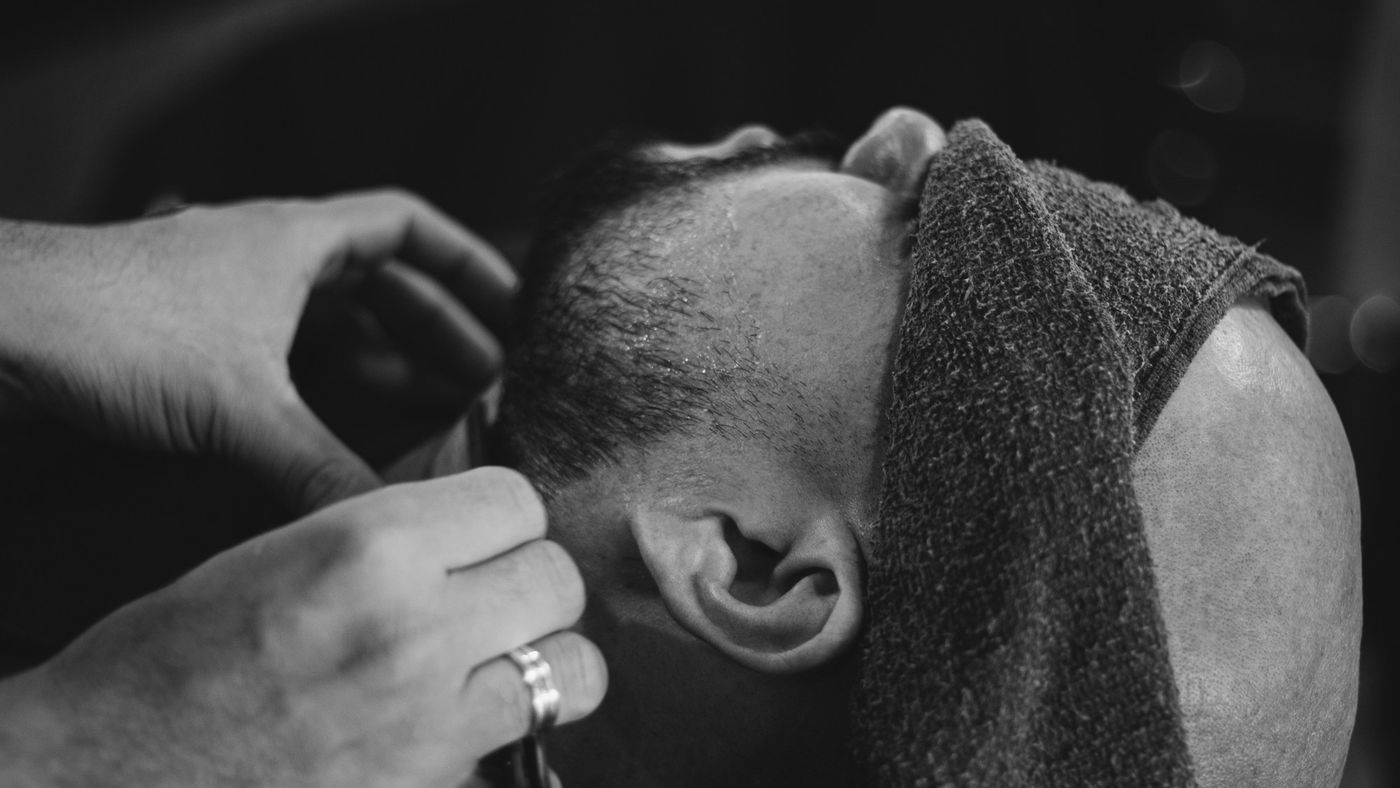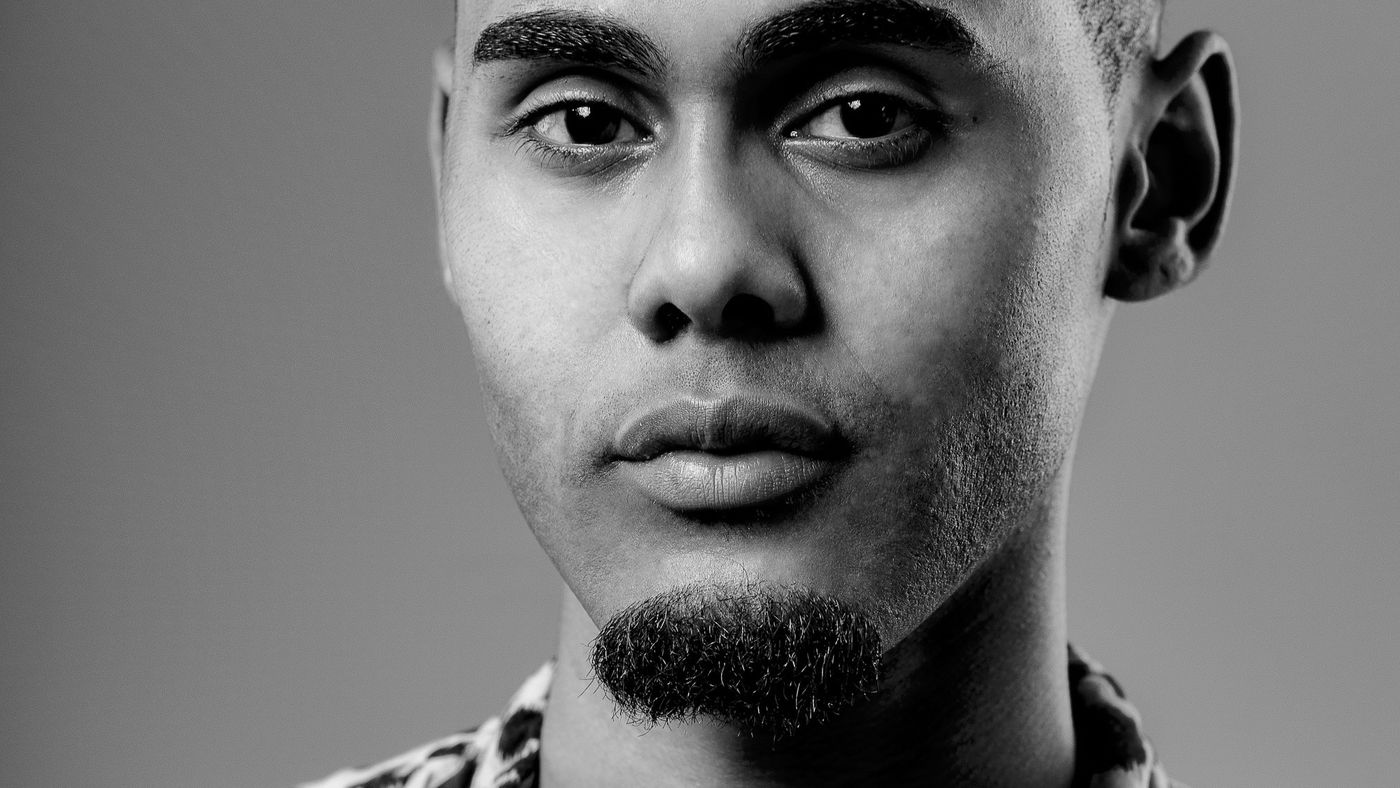
A quiff is a haircut built around the front. The sides are kept short and neat, and the hair at the front of the top is left longer, then styled up and back into a wave of volume. It sits somewhere between a textured crop and a full pompadour: more height than a crop, less slick than a pompadour.
It looks great. It also needs a little work every morning. Here is the cut, the routine and the tricks that make it last.
The cut behind it
The sides
Short, so the height on top stands out. A mid taper or a low-to-mid fade is the usual choice. Very short sides make the quiff more dramatic; longer sides make it softer.
The top
Graduated in length: shortest at the crown, longest at the front. Typically two to three inches at the back of the top, building to three to five inches at the front. The front needs enough length to lift and fold back.
Texture
The top should be cut with some texture — point cutting or light thinning — so it lifts and moves instead of sitting as one heavy block. This is the detail that separates a quiff that holds from one that collapses by lunch.
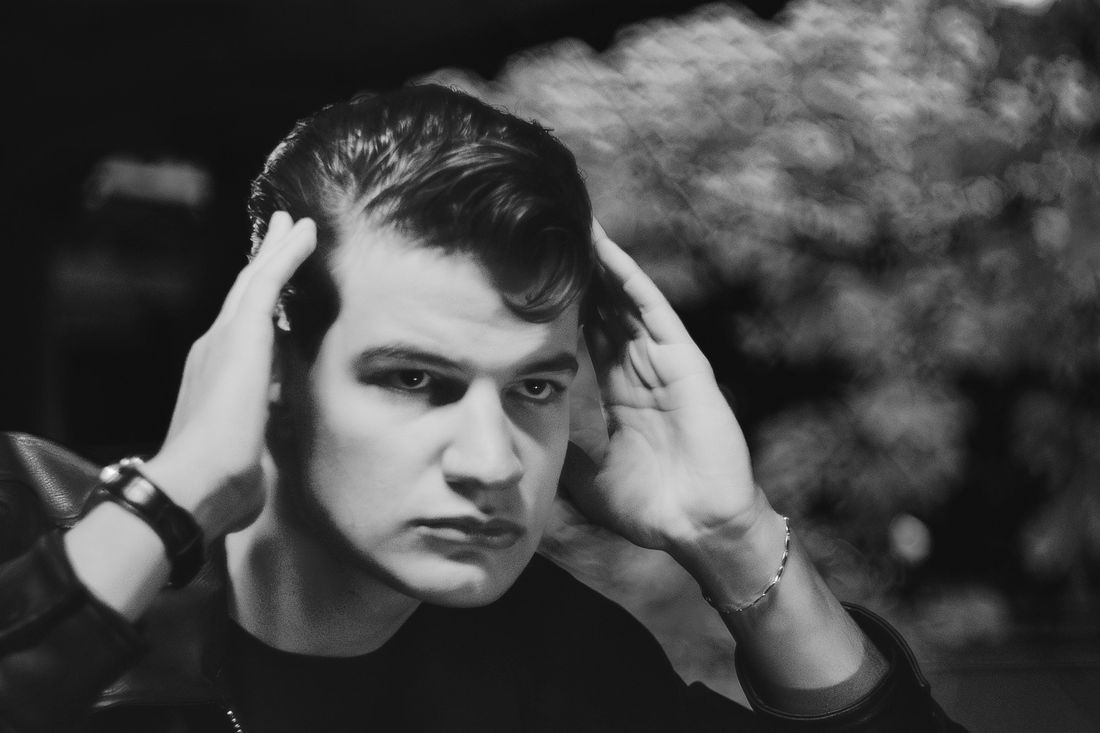
The morning routine
Step 1: Start with damp hair
Towel-dry until damp, not soaking. If your hair is very fine or flat, a few sprays of sea salt spray or a little volumizing product at the roots helps.
Step 2: Blow-dry up and back
This is the step that makes a quiff. Using a hairdryer on medium heat, point the air at the roots at the front while lifting the hair up and back with your fingers or a round brush. Thirty to sixty seconds is enough. Finish with a blast of cool air to set it.
Step 3: Product
Warm a pea-sized amount of matte clay or a light pomade in your palms. Work it in from the back forward, roots first, then up through the front.
Step 4: Shape
Push the front up and back with your fingers for a textured quiff, or use a comb for a smoother, more polished one. Do not flatten the sides.
Step 5: Stop
The biggest styling mistake is overworking it. Once the shape is there, leave it alone.
Products, compared
- Matte clay: strong hold, natural finish, adds texture. The best all-rounder for a modern quiff.
- Paste: medium hold, a little more flexible. Good if you want to restyle during the day.
- Pomade: shine and smooth hold. For a classic, polished quiff closer to a pompadour.
- Sea salt spray: a base layer for volume on fine hair, under clay.
Our guide on how to style short hair compares every product in detail.

Variations
- Textured quiff: messy, matte, modern. The most popular version.
- Classic quiff: smoother, combed, a little shine.
- Short quiff: less length at the front, less height. Easier to style, still lifts the face.
- Quiff with a fade: very short faded sides for maximum contrast.
- Side-swept quiff: the front pushed up and slightly to one side.
The tools for the job
- A hairdryer with a cool setting. Non-negotiable for a quiff that lasts.
- A round brush (optional) for more lift at the roots.
- A vent brush or your fingers for a textured quiff.
- A fine comb for a smoother, classic version.
- One good product. Most people need just one.
Who it suits
- Round faces: the height lengthens the face. Our round face guide explains.
- Square and oval faces: balanced and strong.
- Thick hair: holds height easily. Our thick hair guide has more.
- Fine hair: possible, with a shorter quiff, sea salt spray and a good blow-dry.
- Wavy hair: works beautifully; the waves add natural lift.
Who should think twice
- Very long faces: lots of height can make a long face look longer. A shorter quiff, or more volume at the sides, helps. Our post on haircuts for a big forehead or long face explains.
- Thinning at the front: height can separate and show scalp. A textured crop is usually kinder.
- Anyone who will not spend two minutes in the morning. Be honest.

Making it last all day
- Do not skip the blow-dry. Product holds the shape; the dryer creates it.
- Use matte over shiny in humid weather; shiny pomades can collapse.
- Carry a tiny amount of product for an afternoon touch-up, or just run damp fingers through it.
- Mind the hat. A quiff and a beanie do not mix. In a Buffalo winter, a quick blow-dry after the hat comes off revives it.
- Keep the sides short. Once the sides grow, the quiff loses its shape. Book every three to five weeks.
Common quiff mistakes
- Too much product. It weighs the front down and makes it collapse. Start with a pea-sized amount.
- Product on soaking-wet hair. Blow-dry first, then style.
- Flat crown, tall front. The shape should build gradually from back to front, not jump.
- Sides too long. The quiff loses its contrast. Keep them short.
- Fighting your cowlick. Ask your barber which way your front naturally wants to go and build the quiff in that direction.
A quiff for the office vs. the weekend
- Office: a classic quiff with a little paste or light pomade, combed for a smoother finish, sides at a #2 or #3.
- Weekend: a textured quiff with matte clay, roughed up with your fingers.
- Events: a classic quiff blow-dried properly, with the sides fresh. Book the cut two or three days before.
How to ask your barber
- “A quiff — mid taper on the sides, keep the front about four inches and texture it so it lifts.”
- “I blow-dry it up and back with clay.”
- “Keep the crown shorter so it does not stick up.”
And ask your barber to style it at the end and show you how. Watching it once is worth ten tutorials.
A quiff in Buffalo weather
- Humidity: summer air makes hair frizz and drop. Matte clay holds better than shiny pomade.
- Wind: a quiff takes the brunt of a windy Main Street morning. A firmer clay and a cool blast at the end of the blow-dry help.
- Snow and hats: a beanie flattens any quiff. Carry a small amount of product, or accept a textured, messier version for the winter.
- Dry indoor heat: hair gets static and flyaway. A drop of light cream under the clay helps.
Growing into a quiff
If your hair is currently short, you will need roughly two to three months for the front to reach quiff length, depending on how short you are starting. Keep the sides tidy while the top grows, and see our guide to growing out your hair for the in-between weeks.
How often to get it cut
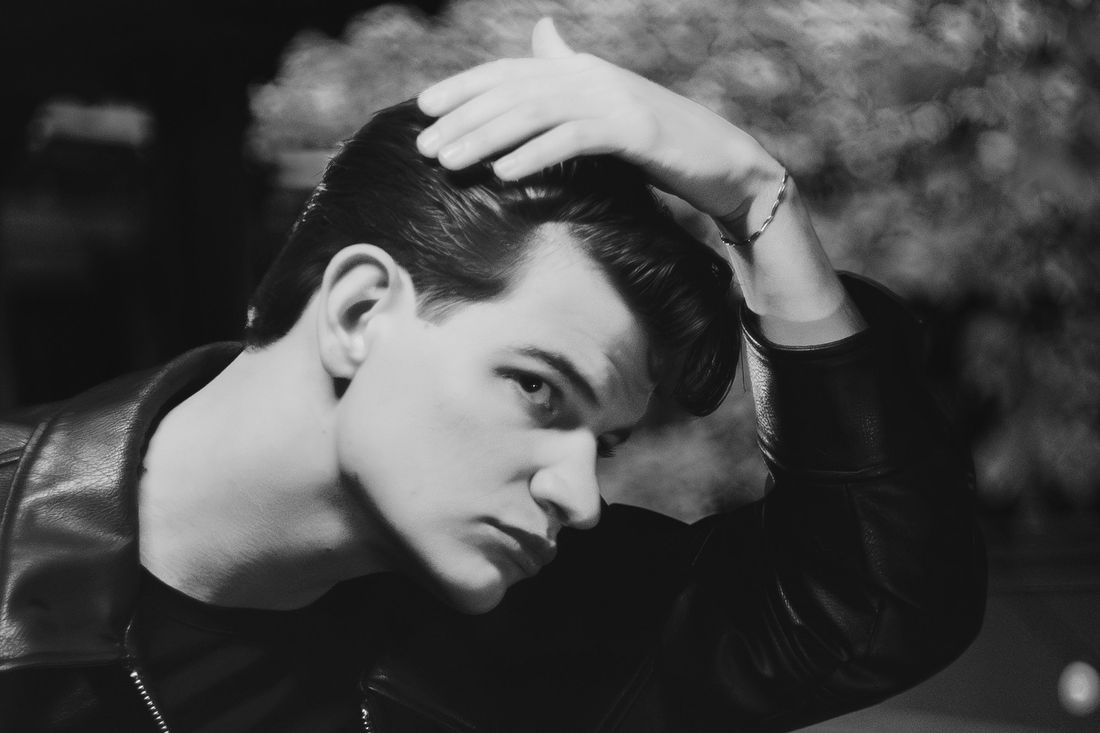
A quiff depends on short, neat sides and a well-graduated top. Most people need a cut every three to five weeks: the sides first, then a light trim on top to keep the shape. Tell your barber to take only a little off the front so you do not lose the length that makes the quiff. Between visits, an Edge Up (from $12) keeps the outline sharp.
Quiff vs. pompadour
A pompadour is slicker, higher and more formal, with the whole top swept back in one smooth roll. A quiff is more relaxed and textured, focused on the front. If you like the idea of a pompadour but not the commitment, a classic quiff with a little pomade is the halfway house.
Quiff by face shape
- Round: great. Go for a taller front and tight sides.
- Square: great. A textured quiff softens strong angles slightly.
- Oval: anything works.
- Long: keep it shorter and push it slightly to the side rather than straight up.
- Heart-shaped (wider forehead): a side-swept quiff with a little volume at the sides balances it.
The cheat sheet
- Sides: short — mid taper or low-to-mid fade.
- Top: graduated, two to three inches at the crown, three to five at the front, textured.
- Morning: damp hair, blow-dry up and back, pea-sized clay, shape, stop.
- Product: matte clay for texture, pomade for polish.
- Upkeep: every three to five weeks.
- Best for: round, square and oval faces; thick or wavy hair.
At the Williamsville shop
A quiff is a Classic at our shops — clippers, scissors, edger and straight razor, about thirty minutes, from $25. Jon Palmeri, Dave Scolla, Michael Falzone and Bryan Castronova cut and style them every week. We are at 6100 Main St., Williamsville, NY 14221, open Tuesday through Friday 9AM to 6PM and Saturday 8AM to noon, closed Sunday and Monday. Walk-ins are welcome when there is an open chair — appointments are encouraged, so call 716-389-0192 to confirm someone is free.
Book online. If you are local, the Village of Williamsville site lists Main Street events that can affect Saturday parking.