People with thin hair would happily trade with you. They do not know about the helmet. They do not know about the sides that puff out like wings by week three, or the top that refuses to lie down, or the way a haircut that looked great on someone else turns into a mushroom on you.
Thick hair is easy to wear once it is cut properly. These are field notes from behind the chair: the common thick-hair problems, how a barber fixes each one, and the cuts that work best.
Problem: the helmet
What happens: the haircut looks like one solid block. No movement, no shape, just mass.
Why: thick hair cut to one even length sits together as a single shape.
The fix: texture. Your barber removes weight from inside the hair — with point cutting, slide cutting or thinning shears — so it separates and moves. You keep the length; you lose the bulk.
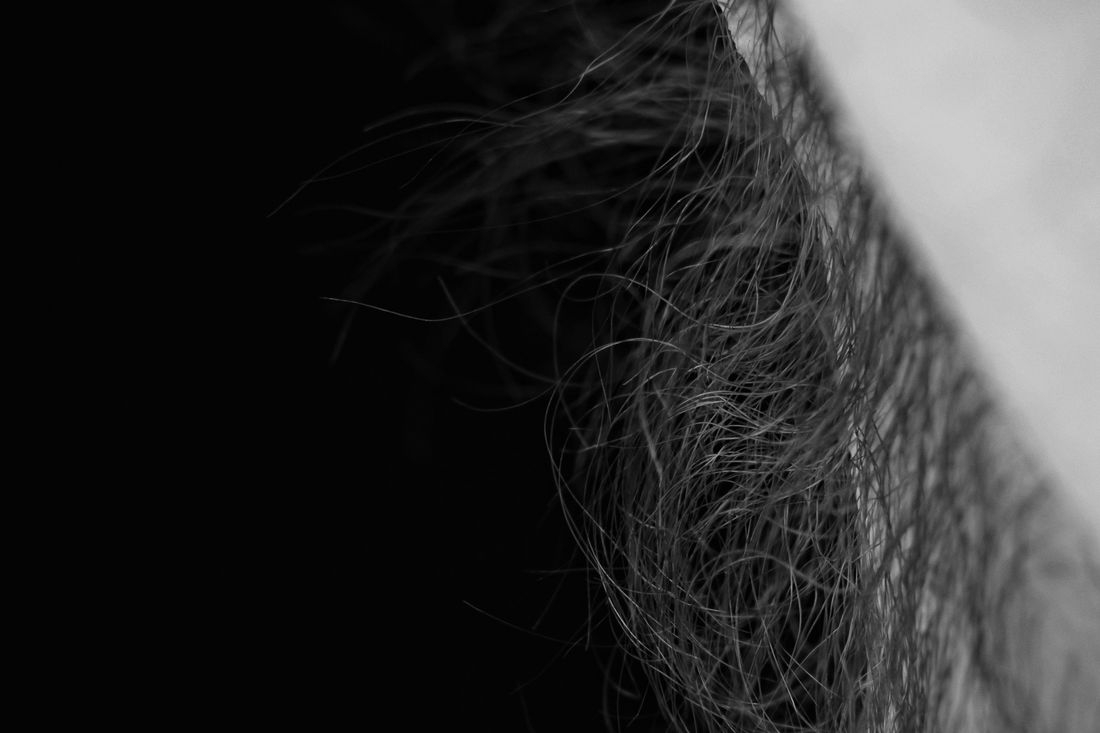
Problem: puffy sides
What happens: the sides stick out above the ears as the cut grows.
Why: dense hair at the sides grows out as well as down.
The fix: shorter sides. A taper or fade on thick hair stops the sides from widening. Even if you like length, keeping the area above the ears tight makes a huge difference. Our fade vs. taper guide explains the choice.
Problem: the top will not lie down
What happens: no matter what you do, the top stands up or sticks out at odd angles.
Why: thick hair has a lot of natural lift, especially at the crown, and cowlicks are more obvious.
The fix: work with it. Cuts that are meant to have height — a textured crop, a quiff, a short messy top — turn the lift into a feature. If you want it flat, the top needs enough weight removed and enough length to lie down.
Problem: it grows out fast
What happens: the cut looks great for two weeks and then suddenly does not.
Why: thick hair shows growth as volume, not just length.
The fix: a slightly shorter cut overall, regular visits, and an Edge Up (from $12) between cuts to keep the outline tidy.
Problem: heat and weight
What happens: thick hair is hot in summer and heavy all year.
The fix: go shorter in summer, and ask for weight to be taken out on top. A good thinning makes thick hair feel noticeably lighter.
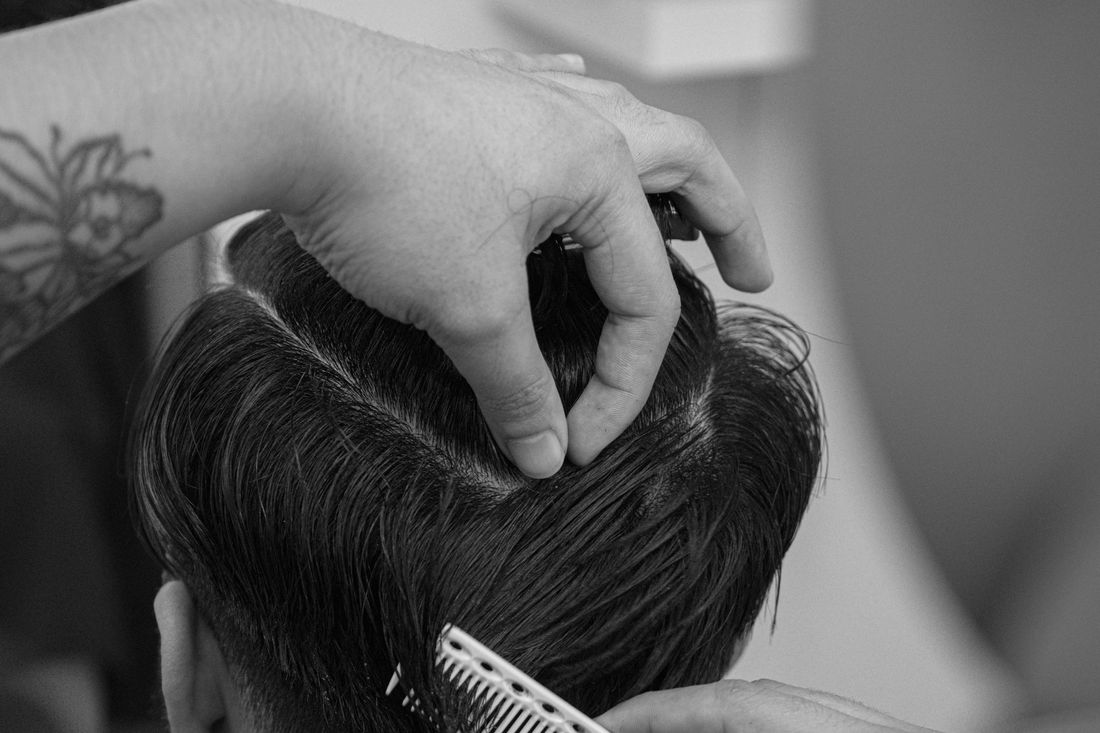
The cuts that work
Textured crop
Short sides, a choppy top pushed forward or up. The texture breaks up the bulk; the short sides stop the width. Probably the single best cut for thick hair.
Classic taper with a textured top
Tapered sides, two or three inches on top with weight removed so it can be pushed back or to the side. Office-friendly and easy.
Crew cut
Short sides, a short top. Very easy with thick hair because there is not enough length to puff.
Quiff or pompadour
Thick hair holds height better than any other type. Tight sides, a longer top swept up and back. It needs a little product, but thick hair stays put all day.
Undercut
Very short sides and back with a clear disconnection from a longer top. The ultimate bulk-remover: all the weight goes from the sides, and the top can be worn long.
Buzz cut
One length all over. On thick hair, even a short buzz looks dense and full. Our clipper guard chart helps you pick a number.
Cuts to be careful with
- One-length medium cuts without texture. Helmet territory.
- Long sides. They get wide fast.
- Blunt bangs. On thick hair, they sit like a shelf.
- Very long tops with very long sides. Too much hair, too little shape.
Scissors or clippers?
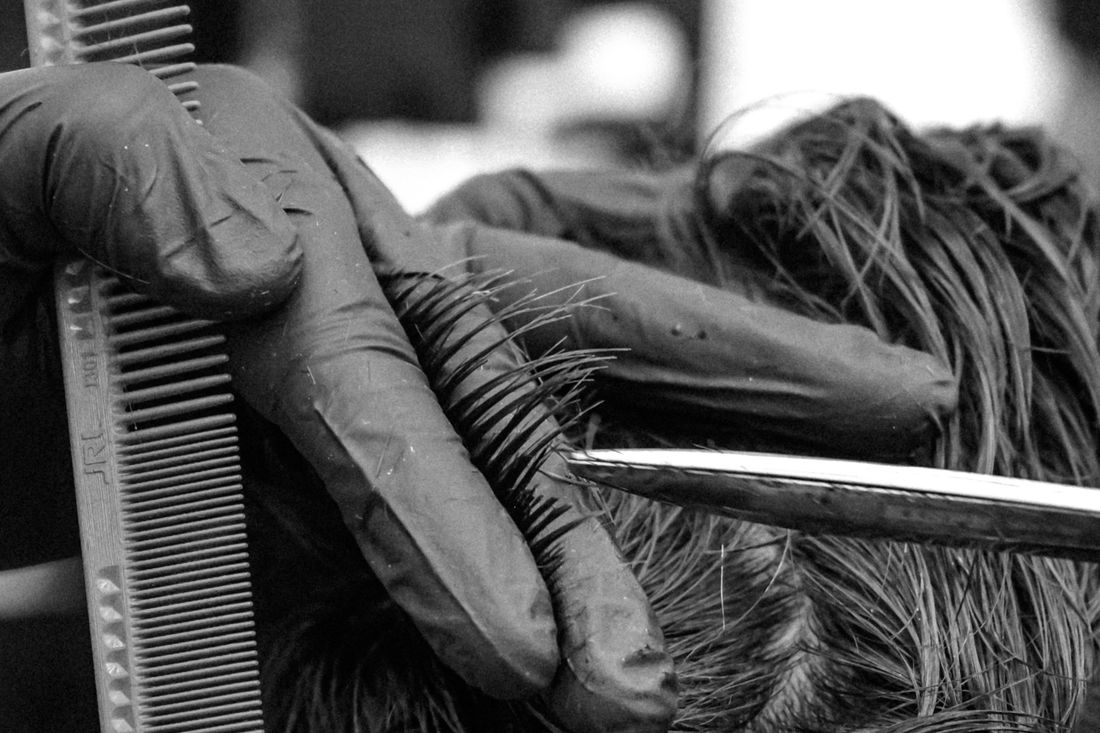
Both. Clippers keep the sides tight; scissors shape and texture the top. Thinning shears, used sparingly, remove weight without removing length. Our post on scissor cuts vs. clipper cuts explains when each tool is used.
Styling thick hair
- Use matte products. Clay or paste gives grip and texture without adding weight. Shiny gels make thick hair look even heavier.
- Work product in at the roots. Thick hair needs the product right through, not just on the surface.
- Blow-dry for direction. A quick blast with a hairdryer in the direction you want the hair to go tames thick hair better than any product.
- Do not over-wash. Very clean thick hair can get fluffy. Every other day is often plenty.
Our guide on how to style short hair covers products in more detail.
Thick and curly, or thick and wavy
Thick hair with curl or wave needs even more attention to the sides, because curls add width. Keep the sides tight and let the top carry the texture. Our curly hair guide covers this in depth.
Thick hair, season by season
- Summer: shorter, lighter, more weight taken out. Thick hair holds heat, and humidity makes it bigger.
- Fall: a good time to let the top grow a little, while keeping the sides tight.
- Winter: hats flatten thick hair in odd ways. A cut with texture recovers better after a hat comes off — a quick shake and a run of the fingers usually does it.
- Spring: the big reset. Many people take thick hair right back to short after the winter.
Thick hair and beards
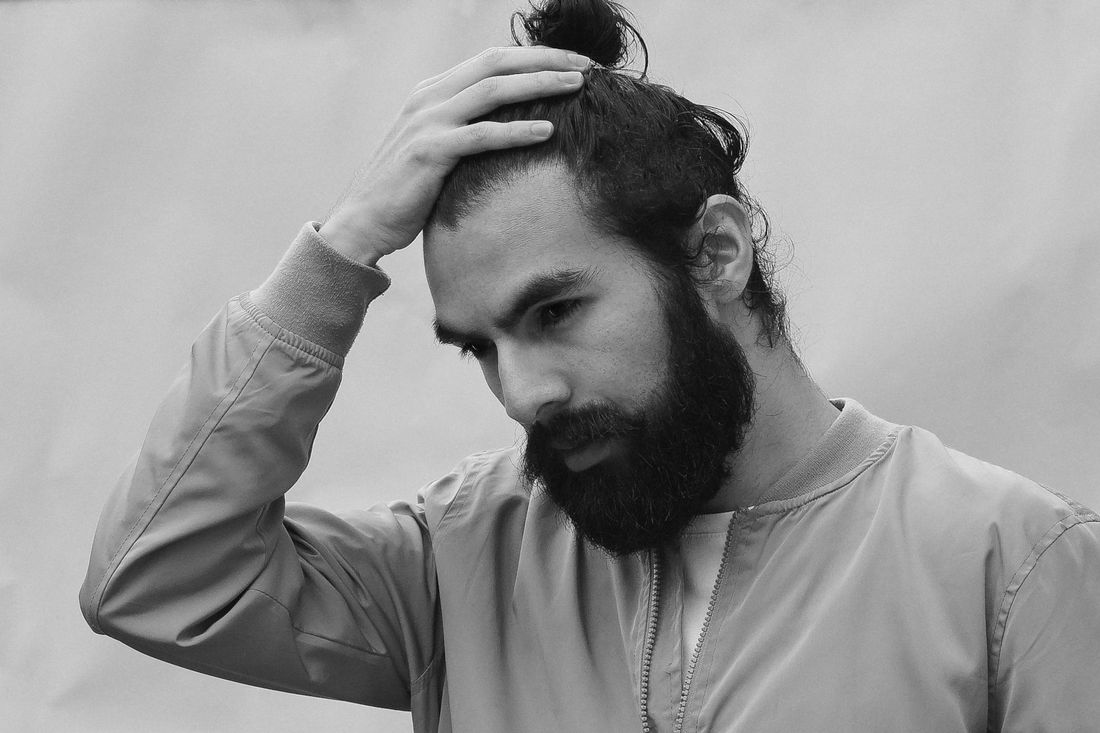
Thick hair on top usually comes with a thick beard. The same rules apply: keep the sides of the beard tighter than the chin so the face does not look wide, and take bulk out rather than only length. Our beard trim styles guide covers which shapes work best with dense growth.
How often
Most thick-hair cuts look best on a three-to-five-week schedule. Short, faded sides want the shorter end; textured scissor cuts can stretch further. Our post on how often to get a haircut has the full schedule.
Thick hair myths
- “Thick hair should be cut short all over.” Not necessarily. Thick hair carries length well, as long as weight is taken out and the sides are controlled.
- “Thinning shears ruin thick hair.” Used lightly and in the right places, they are what make thick hair manageable. The problem is overuse, not the tool.
- “Thick hair does not need product.” It often needs it more — matte products give it direction and stop it doing its own thing.
- “A wider haircut balances thick hair.” The opposite. Tight sides are what make thick hair look tidy.
What to tell your barber
- “My hair is thick and it puffs out at the sides — keep the sides tight.”
- “Take some weight out of the top so it moves.”
- “I want it to still look good in four weeks.”
- “It sticks up at the crown — can you work with that?”
Every good barber has cut a hundred heads like yours. That sentence just tells them where to start.
A quick word on thinning shears
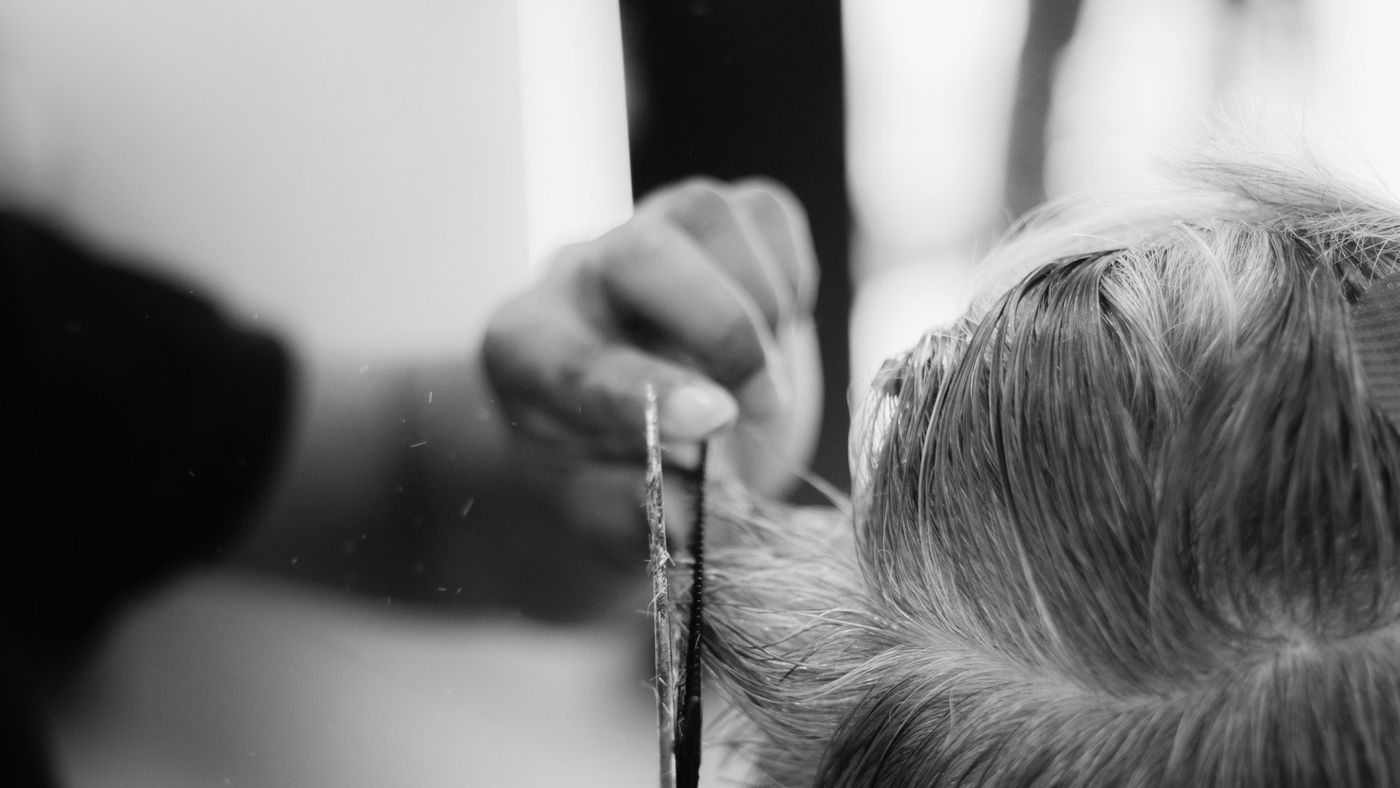
You will probably see your barber use scissors with teeth on one blade. These are thinning shears, and on thick hair they are one of the most useful tools there is: they take out bulk without taking off length. Used well, they make thick hair lighter and more manageable. Overused, they can leave short, fuzzy pieces that stick up as they grow. A good barber uses them lightly and in the right places — usually inside the top and at the crown, not on the surface.
If you have had thick hair over-thinned before and hated it, say so. There are other ways to remove weight, like point cutting with regular scissors.
Kids with thick hair
Thick hair runs in families, and plenty of kids have it from the start. The same rules work on smaller heads: short sides, a textured top. Our post on nine boys’ haircuts that survive a school morning picks the cuts that handle thick hair best.
Thick hair at every age
Thick hair often changes texture over time — it can get coarser, wavier or grayer. Gray hair in particular can be wiry and stand up more. The same rules apply: tight sides, texture on top, matte products. If your hair is getting thinner rather than thicker, our guide to haircuts for a receding hairline is the better read.
At our Williamsville shop
Every cut on this list is a Classic at our shops — clippers, scissors, edger and straight razor, about thirty minutes, from $25. Thick hair sometimes takes a few extra minutes, and that is fine. Jon Palmeri, Dave Scolla, Michael Falzone and Bryan Castronova cut thick hair every day.
The shop is at 6100 Main St., Williamsville, open Tuesday through Friday 9AM to 6PM and Saturday 8AM to noon. Book online or call 716-389-0192. In New York, barbers are licensed by the Department of State, and all four of ours are.