When a barber asks “what number on the sides?”, they mean the clipper guard: the plastic comb that clips onto the blade and decides how much hair is left behind. The higher the number, the longer the hair. That is the whole system.
The trouble is that nobody tells you what the numbers actually look like. So here is the chart, then what each number means on a real head, then how to use the numbers to get exactly the haircut you want.
The chart
These are the standard guard lengths most professional clippers use. Brands vary a little — by a millimeter here and there — so treat these as close, not exact.
- No guard (#0): about 1/16 inch, roughly 1.5mm. The bare clipper blade, or very close to it.
- #½: about 1/16 inch, 1.5mm. Common on fades, between bare blade and a #1.
- #1: 1/8 inch, about 3mm.
- #1½: 3/16 inch, about 4.5mm.
- #2: 1/4 inch, about 6mm.
- #3: 3/8 inch, about 10mm.
- #4: 1/2 inch, about 13mm.
- #5: 5/8 inch, about 16mm.
- #6: 3/4 inch, about 19mm.
- #7: 7/8 inch, about 22mm.
- #8: 1 inch, about 25mm.
The quick rule: each whole number adds about an eighth of an inch, from #1 up to #8.
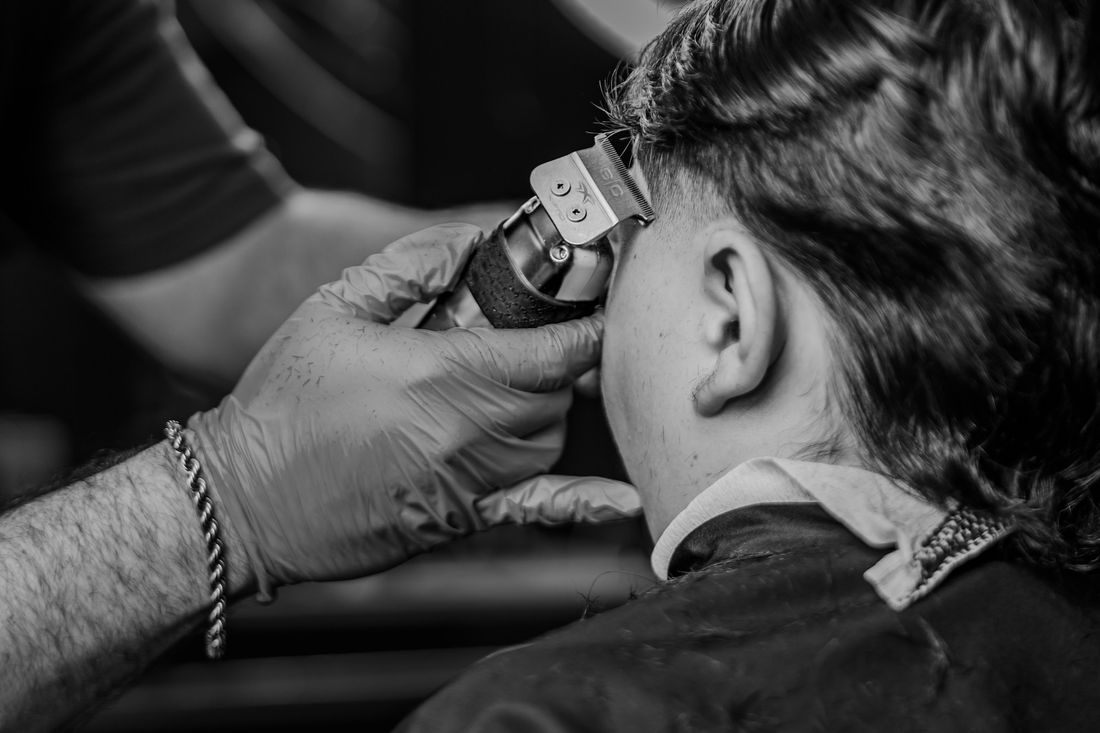
What each number looks like on a head
#0 and #½ — almost skin
Scalp clearly visible, especially in bright light. Used at the very bottom of skin fades and for the shortest buzz cuts. On dark, dense hair it reads as a shadow; on light or fine hair it reads as bare.
#1 — very short
You will see scalp through it, but there is a definite layer of hair. The most common choice for the lower part of a fade, and a popular all-over buzz for people who want it short without going bald.
#2 — short, but clearly hair
The most-requested number in a lot of barbershops. A #2 all over is the classic short buzz. A #2 on the sides with a longer top is one of the most common men’s cuts there is. Scalp shows a little on fine or light hair, not much on thick hair.
#3 — short and soft
Very little scalp shows. A #3 on the sides looks neat and conservative; a #3 all over looks like a deliberate, grown-in short cut rather than a buzz.
#4 — the long end of short
Half an inch. No scalp showing on most heads. Good for the sides of a classic taper with more length on top, or as an all-over cut for people who want short but soft.
#5 to #8 — clipper length, not buzz length
From here up, the hair starts to lie down and move. These are used for longer sides, for the top of a short cut, or for a quick even trim all over. Above a #8, most barbers switch to scissors.
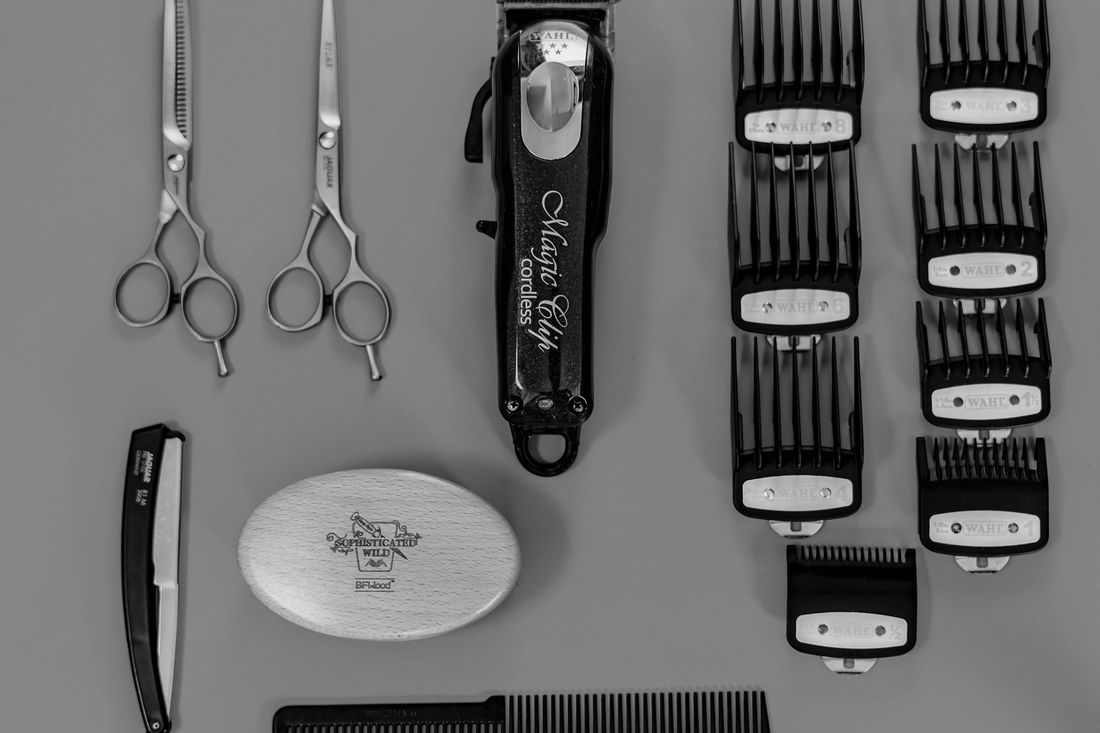
How barbers combine numbers
Very few haircuts use one number. Most use two or three, blended together. Here is how the common cuts break down:
- Buzz cut: one number all over. Usually #1 to #4.
- Classic taper: something like a #4 or #3 on the sides, tapering to a #2 or #1 at the neck and around the ears, with scissors on top.
- Low fade: a #1 or #½ at the very bottom, blending up through #1½ and #2 to a #3 or longer, with the fade starting low on the head.
- Skin fade: bare skin or #0 at the bottom, blending up through every half-number to whatever length is on top.
- Crew cut: a #2 to #4 on the sides, a #5 or longer — or scissors — on top.
Our post on fade vs. taper explains the difference between those two in plain English.
Half guards and “open lever”
Barbers have more lengths available than the guard numbers suggest. Most clippers have a small lever on the side that moves the blade slightly. With the lever open, the cut is a little longer; closed, it is a little shorter. That is how a barber gets a smooth blend between a #1 and a #2 without a hard line.
You do not need to know this to ask for a haircut. But if you hear your barber mention a “one and a half” or an “open one”, that is what they mean.
How to ask for a number
The clearest way to ask is to give a number for each part of your head:
- “A #2 on the sides, tapered down at the neck, and scissors on top — just take an inch off.”
- “A #3 all over, and clean up the neckline.”
- “A low fade starting at a #1, and keep the top long enough to push back.”
If you do not know your number, that is fine. Describe it instead: “short enough to see a bit of skin at the bottom” or “short but no skin.” Then ask your barber what number they used, and write it down for next time.
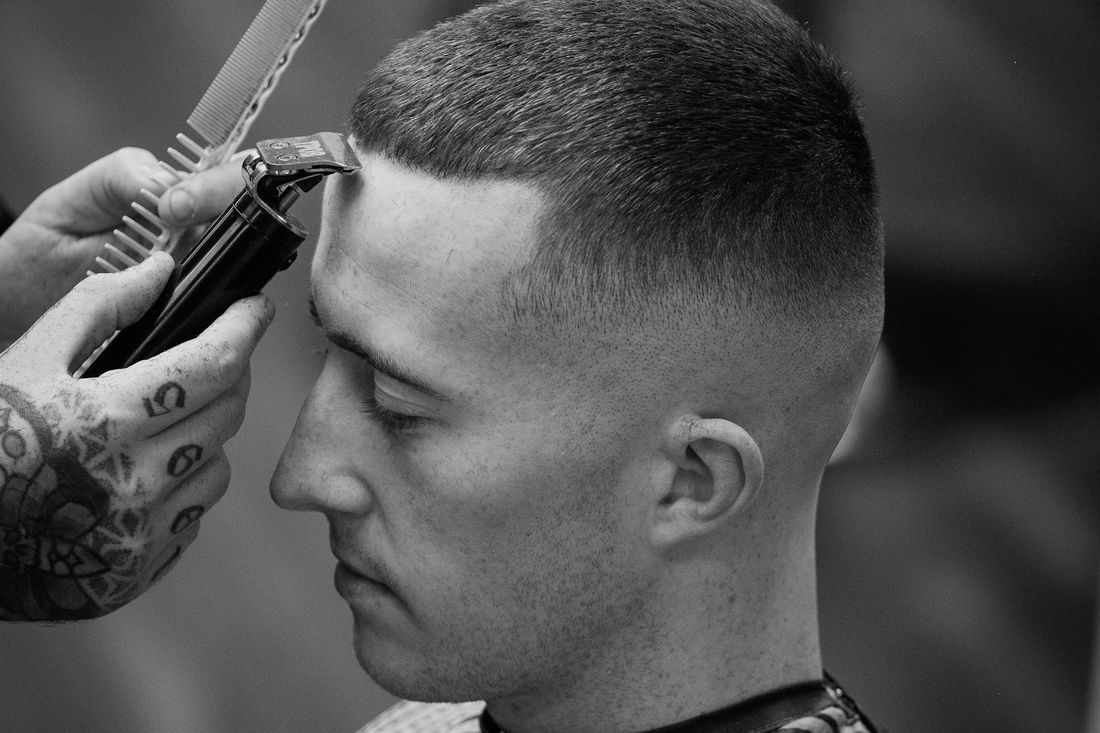
Start longer than you think
The single best piece of advice on clipper numbers: if you are not sure, go one number longer. You can always go shorter in the same visit. Going longer takes weeks.
This matters most the first time you try a number. A #2 looks very different on thick dark hair than on fine light hair, and the same number can look shorter on you than it did on someone else.
Numbers for kids
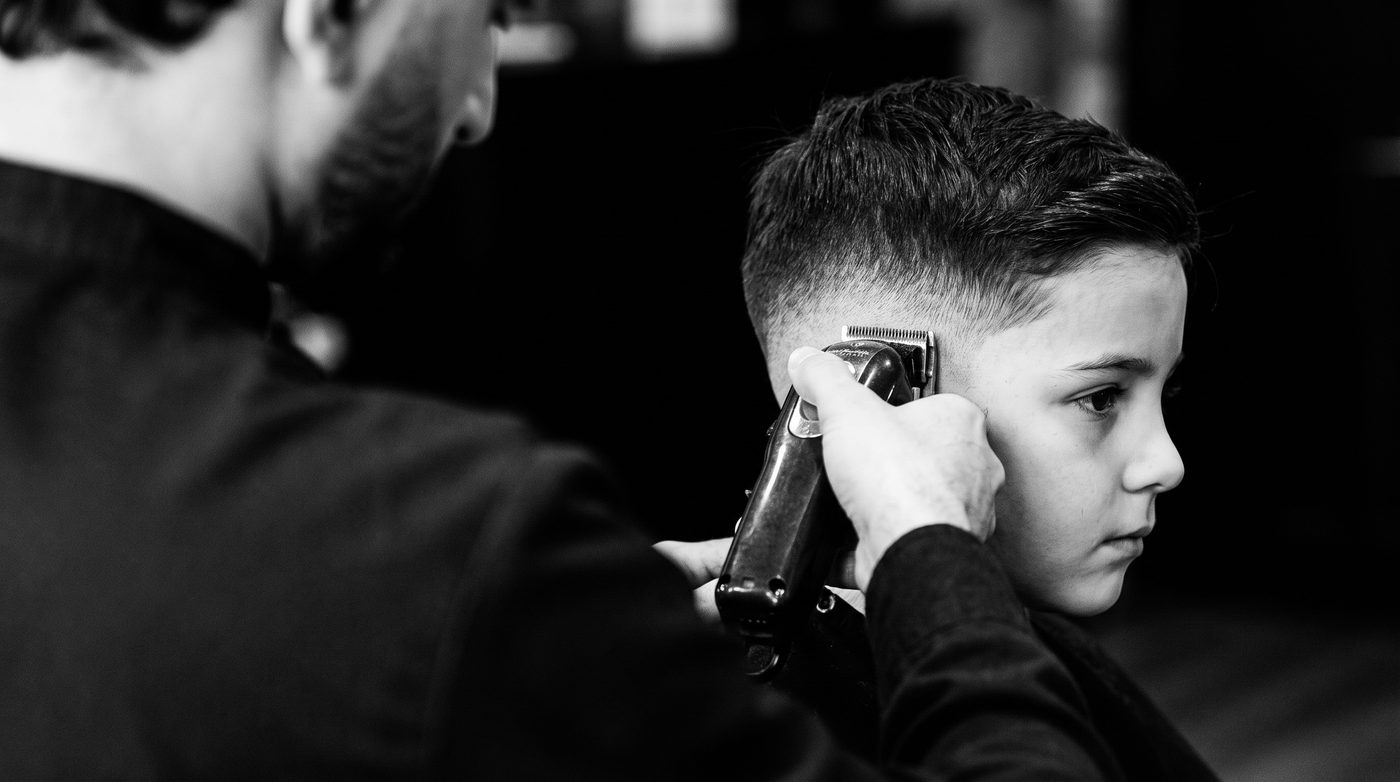
The same numbers work on kids, and most kids’ short cuts use a #2 to #4 on the sides. Our kids’ fade explainer covers how those numbers grow out on younger heads, and our nine boys’ haircuts post suggests which cuts survive a school morning.
If you cut at home
Plenty of people keep their hair short with home clippers between barber visits. If you do:
- Ask your barber which numbers they used, and stick to them.
- Do not freehand a fade. Blending between numbers is the hard part, and it is where home cuts go wrong.
- Leave the neckline to a pro. It is the easiest thing to push too high. Our Edge Up — edging and a neck shave, from $12 — is built for exactly this.
- Check the guard is clipped on firmly before every pass. A guard that slips off is the most common home haircut disaster there is. If it happens, our guide on fixing a bad haircut will help.
How long each number lasts
Hair grows roughly half an inch a month, so the shortest numbers change fastest. A #1 can look like a #3 within a month; a #4 still looks like roughly a #4 plus a bit. That is why short cuts need more frequent visits. Rough guide:
- #0 to #1: looks noticeably grown in after about 2 weeks.
- #2 to #3: about 3 to 4 weeks.
- #4 and up: 4 to 6 weeks.

Numbers for beards
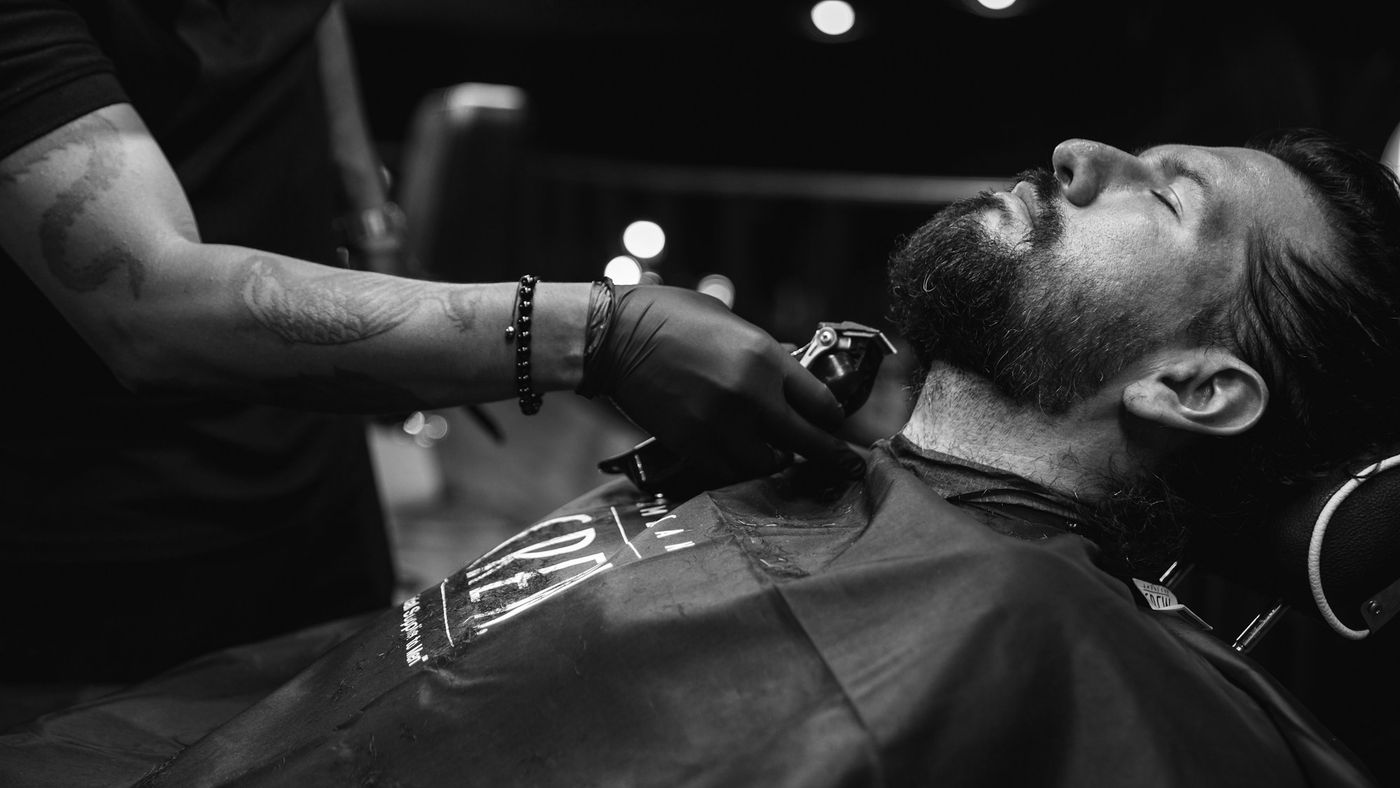
Clipper guards work on beards too, and the same chart applies. A #1 or #2 gives a short, even stubble beard. A #3 or #4 is a short, full beard. Above that, most barbers shape with scissors and use guards only for bulk. The neckline and cheek line are always done with an edger and razor, not a guard. If you want the full picture on growing and shaping, see our beard-growth timeline.
Common number myths
- “A #0 means shaved.” Not quite. A bare clipper blade still leaves a little stubble. A truly smooth head needs a razor or a foil shaver.
- “Higher numbers are always better for thin hair.” Often the opposite. On thinning hair, a shorter number can look fuller, because there is less length to separate.
- “Every clipper’s #2 is the same.” They are close, but not identical. That is another reason to stick with one barber.
The numbers in our chairs
Every Classic at our shops — from $25, about thirty minutes — uses clippers, scissors, an edger and a straight razor. The clipper work is where the numbers come in; the edger and razor give the clean outline that makes the cut look finished. If you want your beard done to match, Classic & Beard starts at $35. The full menu is on the services page.
All three barbers at our Tonawanda shop — Dorian Mayham, master barber, and Sam Balesteri and Zaid Blasiny, licensed New York State barbers — work with these numbers every day. In New York, barbers are licensed by the Department of State, and clipper work is a core part of that training.
The Tonawanda shop
578 Delaware St., Tonawanda, NY 14150. Open Tuesday through Friday 7AM to 7PM and Saturday 8AM to 1PM. Closed Sunday and Monday. Walk-ins welcome; appointments encouraged.
Book online or call 716-389-0192. Tell your barber your number if you know it. If you do not, ask them at the end of the cut — and you will never have to guess again. New to the shop? Start with our Tonawanda barber shop guide.
The cheat sheet
- #1: 1/8” · very short, scalp shows
- #2: 1/4” · the classic short buzz
- #3: 3/8” · short and soft
- #4: 1/2” · the long end of short
- #6: 3/4” · hair starts to lie down
- #8: 1” · the longest standard guard
- Not sure? Go one number longer.