
Almost every beard itches at some point. The good news is that most beard itch has one of a few simple causes, and most of them are fixed with a basic routine and a bit of patience.
So let us take it calmly: what kind of itch is it, what is causing it, and what to do about it. And, just as importantly, when it is something to show a doctor rather than a barber.
First, a quick check
Ask yourself three questions:
- How old is the beard? Under a month, and new growth is the most likely cause.
- Is the skin underneath dry, flaky or tight? Dry skin is the most common cause in established beards.
- Are there bumps, redness or pain? If yes, it may be ingrown hairs or irritation, and it is worth keeping an eye on.

Cause 1: New growth
What it feels like: itchy and prickly in the first two to four weeks.
Why: freshly shaved hair has a sharp, blunt tip. As it grows, that tip can curl back toward the skin and irritate it. The skin is also adjusting to being covered.
What helps:
- Wash the beard area gently once a day.
- Use a few drops of beard oil on the skin underneath.
- Do not scratch — it irritates the skin and can cause small cuts.
- Be patient. For most people, this stage passes by week four or five. Our beard-growth timeline explains what to expect each week.
Cause 2: Dry skin
What it feels like: a constant itch, often with tightness or flaking. Usually worse in winter.
Why: a beard can wick moisture away from the skin, and hot showers, harsh soap and dry indoor heat make it worse.
What helps:
- Use a gentle cleanser on your beard instead of harsh soap or body wash.
- Rinse with lukewarm water, not hot.
- Apply oil to the skin, not just the hair. Our beard oil vs. balm guide explains which to use.
- In winter, a little balm on top of the oil seals moisture in.
Cause 3: Flaking (beard dandruff)
What it feels like: itch plus visible white flakes in the beard, sometimes on dark clothing.
Why: it can be simply dry skin, or it can be a skin condition that causes flaking and redness.
What helps: start with the dry-skin routine above — gentle washing, oil, brushing to lift flakes out. If the flaking is persistent, red, greasy-looking or spreading, see a doctor or dermatologist. That is a medical question, and they can recommend the right treatment.
Cause 4: Ingrown hairs
What it feels like: itchy, tender bumps, often on the neck or along the jawline.
Why: hairs curl back into the skin after shaving or a very close trim. It is especially common with curly hair.
What helps:
- Do not shave the beard line too close.
- Shave with the grain on the neck and cheeks.
- Do not pick at bumps.
- Tell your barber, so they can leave the line-up slightly less close.
The Mayo Clinic’s page on ingrown hair explains it in more detail, including when to see a doctor.
Cause 5: Products
What it feels like: itch or redness that started after you began using something new.
Why: fragrance and some ingredients irritate some people’s skin.
What helps: stop the new product, switch to a fragrance-free one, and patch-test new products on a small area first. The FDA’s page on allergens in cosmetics is a useful read.
The anti-itch routine
- Morning: rinse with lukewarm water, pat dry, a few drops of oil worked into the skin, brush through.
- Evening: gentle wash every day or two, pat dry, oil if the skin feels dry.
- Weekly: check the neckline and trim strays; do not over-shave.
- Every few weeks: a proper shape and line-up from a barber.
Two minutes a day. That is genuinely enough for most beards.

Making a beard thicker (and less itchy)
People often ask whether anything makes a beard grow thicker. Honestly, genetics decides most of it. But a few things make a beard look thicker and feel more comfortable at the same time:
- Keep it soft. Oil and regular brushing make the hair lie together, which looks fuller.
- Shape it. A good shape hides patches. A lower cheek line and a faded sideburn often help.
- Give it time. Many beards keep filling in through the twenties.
- Look after yourself. Sleep and general health will not change your genetics, but being run down does not help anything grow.
Our beard trim styles guide has shapes that work best for patchy growth.
Itch by beard length
- Stubble (under a week): the sharp-tip itch is strongest. Oil and patience.
- Short beard (2–6 weeks): the classic itchy stage. Keep washing gently and oiling the skin.
- Established beard: itch here is usually dry skin, product or flaking. Adjust the routine.
- Long beard: skin underneath gets less air and less attention. Make sure oil reaches the skin, not just the length, and brush right down to the roots.
Itch by season
- Winter: the worst season for itch around here. Cold outside, dry heat inside. Lukewarm water, more oil, a little balm.
- Summer: sweat and sunscreen can clog and irritate. Rinse after workouts and wash the beard a little more often.
- After a trim: freshly cut hair can feel prickly for a day or two. That is normal.
Tools that help
- A boar-bristle or soft beard brush spreads oil and lifts flakes.
- A wide-tooth comb for longer or curly beards.
- A gentle face or beard cleanser instead of soap.
- A soft towel, and patting rather than rubbing.
What not to do
- Do not scratch. It makes everything worse.
- Do not use body wash or dish-style soap on your face.
- Do not shave it off in week three just because it itches. It usually passes.
- Do not ignore pain, spreading redness or pus. That is a doctor’s appointment.
A quick self-check, week by week
- Weeks 1–2: prickly, mild itch — normal. Oil, do not scratch.
- Weeks 3–4: the peak for most people — normal. Keep the routine going.
- Weeks 5–8: should be easing. If not, look at dry skin and products.
- Any time: painful bumps, spreading redness or pus — see a doctor.
Most people who stick with the routine find the itch is gone, or close to it, by the second month.
Myths about beard itch
- “Itch means the beard is not suited to you.” No. Almost every new beard itches. It is a phase, not a verdict.
- “More washing fixes it.” Too much washing with harsh products dries the skin and makes it worse. Gentle and regular beats frequent and harsh.
- “Oil makes it greasy.” Only if you use too much. A few drops worked into the skin disappear.
- “Shaving and starting again will stop the itch.” It just resets the clock to the itchiest stage.
Itch under a mustache
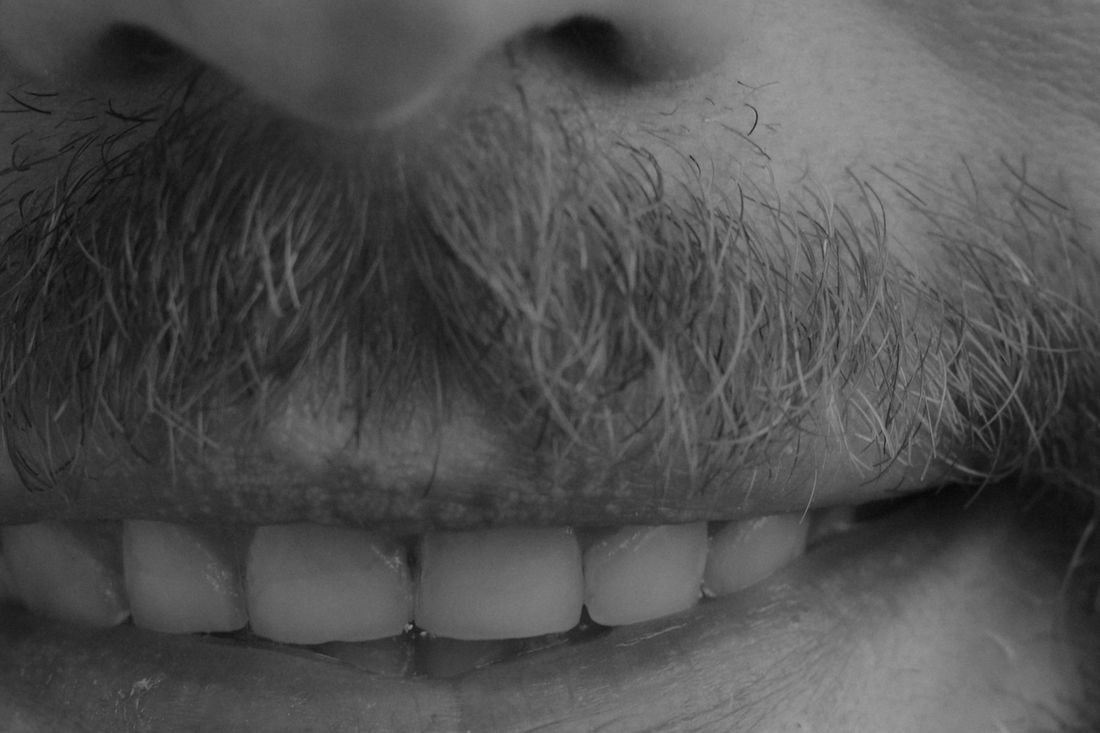
The upper lip is one of the most sensitive spots on the face, and a growing mustache can be especially itchy there. The same routine works — gentle wash, a drop of oil, no scratching — and keeping the lip line trimmed stops hairs from poking at your lip. Our mustache logbook covers the first month in detail.
When to see a doctor
See a doctor or dermatologist if the itch comes with painful bumps, spreading redness, pus, persistent flaking that does not improve with a routine, or patches where hair is falling out. A barber can make a beard look better, but skin conditions need medical care.

The cheat sheet
- New beard: normal; oil and patience for two to four weeks.
- Dry skin: gentle cleanser, lukewarm water, oil on the skin, balm in winter.
- Flakes: same routine; doctor if it persists or spreads.
- Bumps: do not shave too close; with the grain; tell your barber.
- New product: stop it, go fragrance-free, patch-test.
- Always: do not scratch.
At the Tonawanda shop
A well-shaped beard with a clean, not-too-close line-up is less likely to itch. Beard sculpting and line work come with Classic & Beard (from $35, about thirty minutes, including a full haircut). Tell your barber if you get irritation; they can adjust how close they go. Dorian Mayham, Sam Balesteri and Zaid Blasiny do beard work every day.
The shop is at 578 Delaware St., Tonawanda, open Tuesday through Friday 7AM to 7PM and Saturday 8AM to 1PM. Walk-ins are welcome when there is an open chair — appointments are encouraged, so call 716-389-0192 to confirm someone is free.
Book online. And if you are in the itchy first month, hang in there. Our mustache logbook and beard timeline both show it gets better.