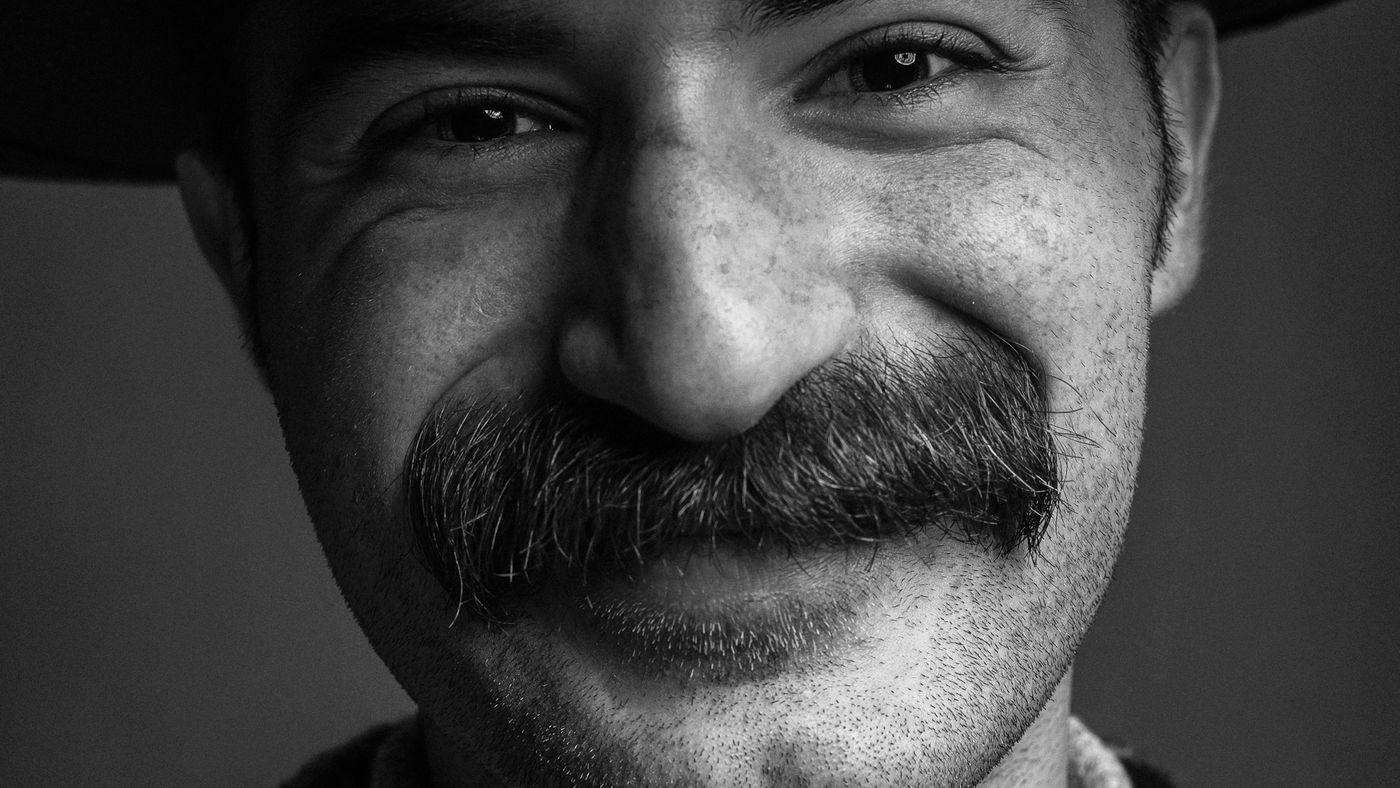
Growing a mustache is not hard. It is just slow, a bit itchy, and occasionally embarrassing in the middle. Most mustaches that fail do not fail because the hair will not grow. They fail because somebody shaved them off in week two.
So this is a logbook. Week by week, what you will see, what to do, and what not to do.
Before day one: decide how you are starting
You have two options:
- Grow everything, then shave down. Let your whole beard grow for two to three weeks, then shave everything except the mustache. This is the easiest way to see what your mustache will actually look like, and it hides the awkward early stage inside a beard.
- Grow only the mustache. Keep shaving the rest of your face as normal. Faster to a finished look, but the first two weeks are on display.
If you are nervous, the first option is kinder.

Week 1: Stubble
What you will see: a shadow above the lip. It looks like you skipped a few shaves, which you did.
What to do: nothing to the mustache. Keep your skin clean. If you are only growing the mustache, shave carefully around it with short strokes, and keep the line where you want it to end.
What not to do: judge it. Nobody has ever looked good with a one-week mustache.
Week 2: The awkward stage
What you will see: uneven growth. The corners may be longer than the middle, or there may be a thinner patch under the nose. It may look a bit like a smudge.
What to do: keep going. Comb it down every morning to train the direction. If the skin underneath is dry or itchy, a tiny drop of oil helps — our guide on beard itch covers why it happens.
What not to do: shave it off. This is the week. Hold the line.
Week 3: Shape appears
What you will see: real coverage. The hair starts to lie down rather than stick out. You can see the shape your mustache wants to be.
What to do: trim only the hairs that cross your lip line. That is the first and only trim at this stage. Our mustache trimming manual has the steps.
What not to do: shape the top edge or take length off the whole thing. It needs length to fill in.

Week 4: Decision week
What you will see: for most people, a mustache that looks deliberate. The thin patch under the nose often fills in or becomes hidden by the hair around it.
What to do: decide on a style (see below) and get your first proper shaping. This is a good time to have a barber set the shape, because once it is set, you only have to maintain it.
Weeks 5–8: Length and training
What you will see: more length, especially at the corners. Styles like a chevron fill out; styles like a handlebar start to become possible.
What to do: comb daily, oil lightly, trim the lip line every few days. If you want a handlebar or curled ends, a little wax trains the corners. Our guide to beard oil vs. balm explains which product does what.
Week 8 and beyond: Maintenance
The mustache is grown. From here it is lip line every few days, shape every few weeks, and patience if you are going for a longer style.
Should you grow a beard with it?
Many people find a mustache on its own harder to wear than a mustache with a short beard, especially the first time. A light beard gives the mustache context and hides an uneven early stage. If you are unsure, grow both, then decide at week four whether to shave the beard and keep the mustache, keep both, or try a different beard style. It is much easier to remove hair than to wait for it.
Picking a style
- Chevron: thick, covering the top of the lip, trimmed straight along the lip line. The easiest to grow and keep.
- Pencil: thin and precise. Needs very little growth but a lot of shaving around it.
- Horseshoe: runs down past the corners of the mouth. Needs eight weeks or more.
- Handlebar: long corners curled up with wax. Needs two to three months and some daily attention.
- Mustache with a short beard: the most common. The mustache is kept slightly shorter than the beard so it stays off the lip. Our beard trim styles guide shows the combinations.

Making a patchy mustache look fuller
- Grow it longer. Longer hair covers the thin spots around it.
- Comb to the sides from the center to hide a gap under the nose.
- Choose a chevron or horseshoe, which hide patches better than a pencil.
- Add a short beard. Surrounding hair makes a thin mustache read as fuller.
- Give it time. Facial hair often keeps filling in through your twenties.
What will not help: shaving it to make it grow back thicker. That is a myth.
Skin under a mustache
The upper lip is sensitive, and food, coffee and dry weather all get trapped under a mustache. Wash it when you wash your face, dry it properly and use a little oil if the skin gets dry. If shaving around it gives you bumps, the Mayo Clinic’s page on ingrown hair explains why; for persistent irritation, see a doctor.
Your toolkit
- A fine-tooth mustache comb. For training the hair down every morning.
- Small, sharp scissors. For the lip line only, at first.
- A few drops of oil. For the skin underneath and to soften the hair.
- Wax (optional). Only if you are going for curled ends or a handlebar.
- A good mirror and good light. Bad light is where bad trims happen.
Common mistakes during the grow
- Trimming too early. Anything beyond the lip line before week four slows you down.
- Trimming wet. Wet hair hangs longer; it springs up shorter once dry.
- Shaving the edges too high. If you shave around a growing mustache, keep the line generous. You can always tidy later.
- Judging it in week two. Every mustache looks unfinished in week two.
- Comparing it to someone else’s. Your growth pattern is your own.
Mustache and haircut, together
A new mustache changes the balance of your face, so it is worth thinking about the haircut too. A chevron pairs well with a classic taper; a thin pencil mustache suits a neat side part; a fuller mustache looks great with a short crew or high and tight. Ask your barber at week four what they would pair with it.
Mustache etiquette, briefly
- Wipe it after eating. Every time.
- Keep the lip line trimmed. Nobody wants to watch you eat hair.
- Match it to the haircut. A sharp haircut with a shaggy mustache looks unfinished.

Questions people ask at week two
“Is it supposed to look this thin?”
Yes. Hair at two weeks is short and spiky, so it looks sparser than it is. It will look fuller once it has the length to lie down.
“Why is one side longer?”
Facial hair rarely grows evenly. A barber can even it out at week four without losing much length.
“Should I use a growth product?”
Be skeptical of anything that promises faster growth. Oil and balm make a mustache softer and more comfortable; they do not change how fast it grows. If you are worried about patchy or slow growth, a doctor can tell you whether there is anything behind it.
“What do I tell people?”
Nothing. Or “I’m growing a mustache.” By week four they will stop asking.
Growing in a Western New York winter
Plenty of people around Tonawanda start a mustache in the fall. Cold, dry air makes the itch worse, so moisturize the skin, go easy on hot water and keep a scarf from rubbing it flat. The upside: by the time winter properly arrives, it is grown.
The cheat sheet
- Week 1: leave it.
- Week 2: do not shave it off. Comb it, oil it.
- Week 3: trim the lip line only.
- Week 4: choose a style; get it shaped.
- Weeks 5–8: comb daily, lip line every few days, wax for curled styles.
- After that: maintenance, plus a shape every few weeks.
At the Tonawanda shop
Mustache shaping is part of the beard sculpting and line work in Classic & Beard at our shops (from $35, about thirty minutes, including a full haircut). Between visits, an Edge Up (from $12) cleans the lines. Dorian Mayham, Sam Balesteri and Zaid Blasiny shape mustaches every week.
The shop is at 578 Delaware St., Tonawanda, open Tuesday through Friday 7AM to 7PM and Saturday 8AM to 1PM. Walk-ins are welcome when there is an open chair — appointments are encouraged, so call 716-389-0192 to confirm someone is free.
Book online around week four, tell your barber the style you are going for, and let them set the shape. From there, it is all maintenance. For the whole-face version, read our beard-growth timeline.