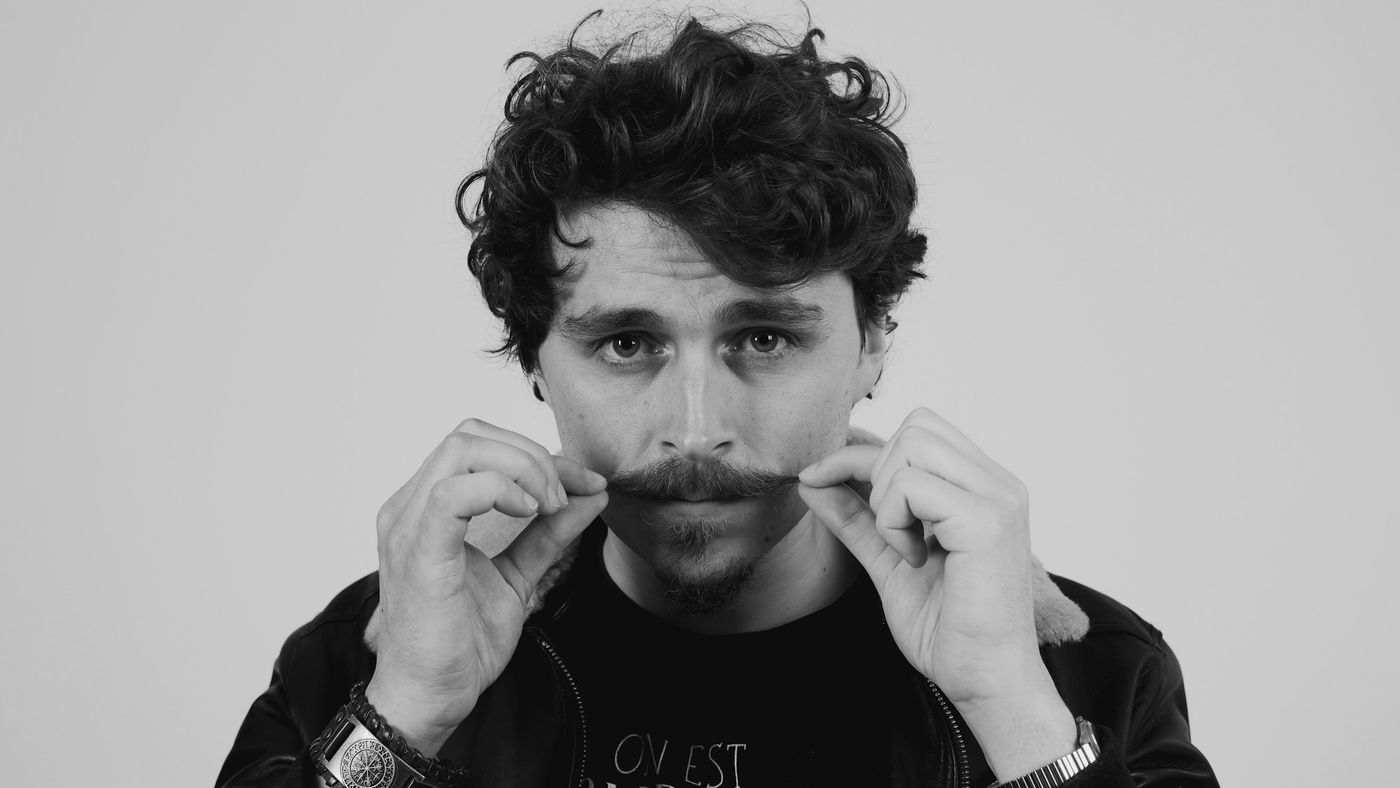
Most beard style guides show you a photo and a name and leave you to work out the rest. This one is set up like a catalog. Every style gets the same four answers: what it is, who it suits, how much upkeep it needs, and exactly what to say in the chair.
Ten styles, shortest to longest. Pick one, or point at two and ask your barber which works better on your face.
1. Stubble (designer stubble)
What it is: a few days’ growth, kept at an even length with a trimmer. Usually a quarter inch or less.
Suits: almost everyone, especially sharp jawlines and people whose beards are patchy at longer lengths.
Upkeep: high, oddly. Stubble only looks deliberate at the right length, so it needs trimming every few days, plus a clean neckline.
Say: “Even stubble all over with a #1 or #2, clean the neck and cheeks.” Our clipper guard chart explains the numbers.

2. Short boxed beard
What it is: a short, full beard — around a quarter to half an inch — with a defined cheek line and neckline. The most common “groomed beard” there is.
Suits: nearly every face shape. Works in any office.
Upkeep: moderate. A barber shape every three to four weeks, a neckline tidy at home in between.
Say: “Short boxed beard, about half an inch, defined cheek line, neckline two fingers above my Adam’s apple.” Our neckline guide explains why that height.
3. Faded beard
What it is: a beard that blends into the haircut at the sideburns, short at the top and fuller at the jaw.
Suits: anyone with a faded or tapered haircut. Especially good for patchy sideburns.
Upkeep: moderate to high. The faded area at the top shows growth quickly; book with your haircut every two to four weeks.
Say: “Fade the sideburns into the beard, keep the rest about half an inch.” Our full guide to the beard fade goes deeper.
4. Full beard
What it is: a beard grown out to an inch or more, covering the cheeks, jaw and chin, shaped rather than cut short.
Suits: people with dense, even growth. Great for round faces if the sides are kept tighter than the chin.
Upkeep: lower day to day, but it needs regular shaping or it gets wide and shapeless. Oil and a brush daily.
Say: “Keep the length, take bulk off the sides, keep it longer at the chin, clean neckline and cheek line.”
5. Goatee
What it is: hair on the chin only, often (but not always) joined to a mustache. The cheeks are clean-shaven.
Suits: rounder faces (it adds length) and people whose cheek growth is thin.
Upkeep: high. The cheeks need shaving every day or two to keep it looking sharp.
Say: “Goatee, about as wide as the corners of my mouth, clean cheeks.”
6. Circle beard
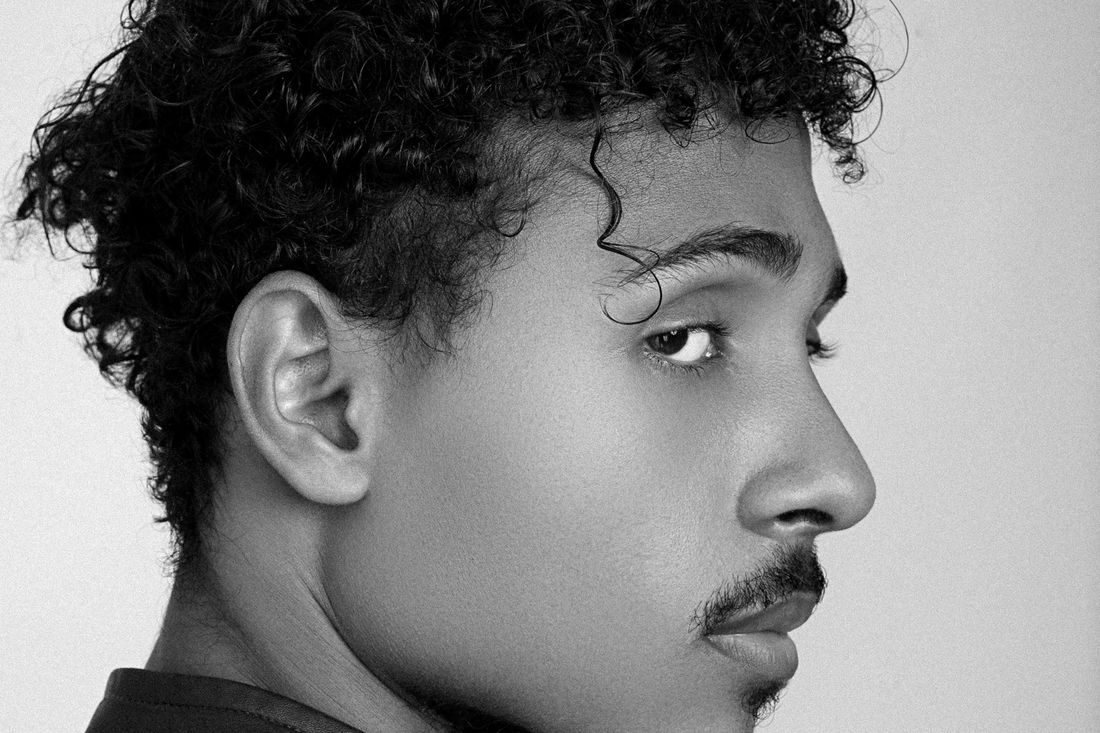
What it is: a mustache joined to a goatee in a rounded shape around the mouth.
Suits: square and oval faces; a tidy option for anyone who wants a beard but not on the cheeks.
Upkeep: high — clean cheeks, crisp outline.
Say: “Circle beard, keep it short and connected, shave the cheeks.”
7. Anchor beard
What it is: a pointed chin beard that runs along the jawline, with a separate mustache. Named for its anchor-like shape.
Suits: round and square faces, because the point adds length.
Upkeep: high. The shape is precise and needs frequent edging.
Say: “Anchor shape, pointed at the chin, separate mustache, clean cheeks.”
8. Van Dyke
What it is: a pointed goatee with a separate, often slightly styled mustache. Classic and a bit theatrical.
Suits: oval and round faces; anyone who wants a distinctive look.
Upkeep: high. The mustache may need a little wax.
Say: “Van Dyke — pointed goatee, mustache separate.” Our mustache manual covers keeping that part tidy.
9. Chin strap (and why most people should not)
What it is: a thin line of beard following the jawline from ear to ear.
Suits: very few faces, honestly. It needs a strong jaw and very precise lines.
Upkeep: very high.
Say: “Chin strap, half an inch wide, follow the jaw” — and be ready for daily maintenance. If what you actually want is a short beard that looks neat, the short boxed beard is almost always the better choice.
10. Long beard
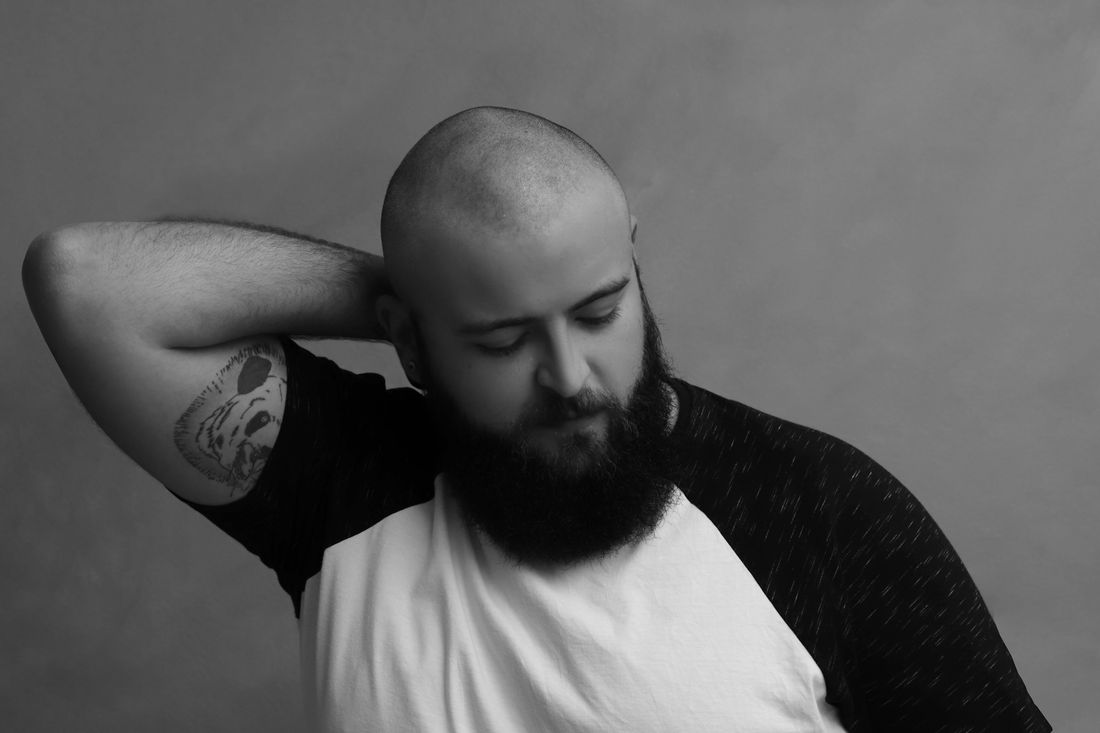
What it is: anything past a couple of inches, grown and shaped for length.
Suits: people with patience and good, dense growth. Balances a shaved or very short head beautifully.
Upkeep: daily washing, oil, balm and brushing; barber shaping every month or so to keep the outline and remove split ends.
Say: “I am growing it, so keep the length — just clean the outline and even out the sides.” Our beard-growth timeline explains how to get there.
Choosing one: three quick rules
- Go with your growth. If your cheeks are thin, choose a style that does not depend on them — stubble, goatee, circle or anchor.
- Balance your face. Round faces suit styles with more length at the chin; long faces suit fuller sides. Our round face guide explains the geometry.
- Match your haircut. Short, faded haircuts pair best with short or faded beards; longer haircuts can carry fuller beards.
Upkeep at a glance
- Lowest: short boxed, full (with regular shaping).
- Moderate: faded, long.
- High: stubble, goatee, circle, anchor, Van Dyke.
- Highest: chin strap.
Growing into a new style
Most beard styles need a minimum length before they work. Rough guide:
- Stubble: three to five days.
- Short boxed: three to four weeks.
- Faded beard: three to four weeks, so there is enough length to blend into.
- Goatee, circle, anchor, Van Dyke: three to six weeks on the chin, depending on how full you want it.
- Full beard: two to three months.
- Long beard: six months and up.
During the in-between weeks, keep the neckline and cheek line tidy and leave the length alone. It is the difference between “growing a beard” and “forgot to shave.”
Products, briefly
Oil for the skin, balm for shape. Short beards usually only need a few drops of oil; longer beards benefit from both. Our beard oil vs. beard balm guide has the full comparison. If you react to products easily, the FDA’s page on allergens in cosmetics is worth a look.
Skin first
Styles with shaved cheeks or necks mean more shaving, and more chances for irritation. Shave with the grain, use a sharp blade, and if you get recurring bumps, see the Mayo Clinic’s page on ingrown hair. A hot towel shave is the gentlest way to keep shaved areas clean.
Beard styles by face shape
- Round face: anchor, Van Dyke, goatee, or a full beard kept tight at the sides and longer at the chin. All add length.
- Square face: a short boxed beard or circle beard softens strong corners; stubble shows off the jaw.
- Oval face: almost anything works. Lucky you.
- Long or narrow face: fuller sides and a shorter chin — a full beard or short boxed beard trimmed flatter at the bottom.
- Weak or soft jaw: a short boxed or full beard with a defined neckline builds a jawline where there is not much of one.
Beard styles by workplace
- Conservative office: short boxed or well-kept stubble. Neat lines matter more than the style itself.
- Creative or casual: anything goes, from a faded beard to a Van Dyke.
- Trades and outdoor work: a short full beard is practical and warm, and needs less daily attention than shaved styles.
- Jobs that need a mask or seal: check your workplace’s rules first. Some protective equipment requires a clean-shaven face where it seals.
Switching styles
It is much easier to go from longer to shorter than the other way. If you are torn between two styles, grow toward the fuller one, then let your barber cut it down. You can always try a goatee on a full beard. You cannot try a full beard on a goatee.
At our Williamsville shop
Every style on this list is part of Classic & Beard — a full haircut plus beard sculpting and line work, about thirty minutes, from $35. Between visits, an Edge Up (from $12) cleans the outlines. Jon Palmeri (owner and master barber), Dave Scolla (master barber), and Michael Falzone and Bryan Castronova (licensed New York State barbers) shape beards every day.
The shop is at 6100 Main St., Williamsville, open Tuesday through Friday 9AM to 6PM and Saturday 8AM to noon. Book online or call 716-389-0192. Bring this list, point at a number, and ask your barber what they would change for your face.