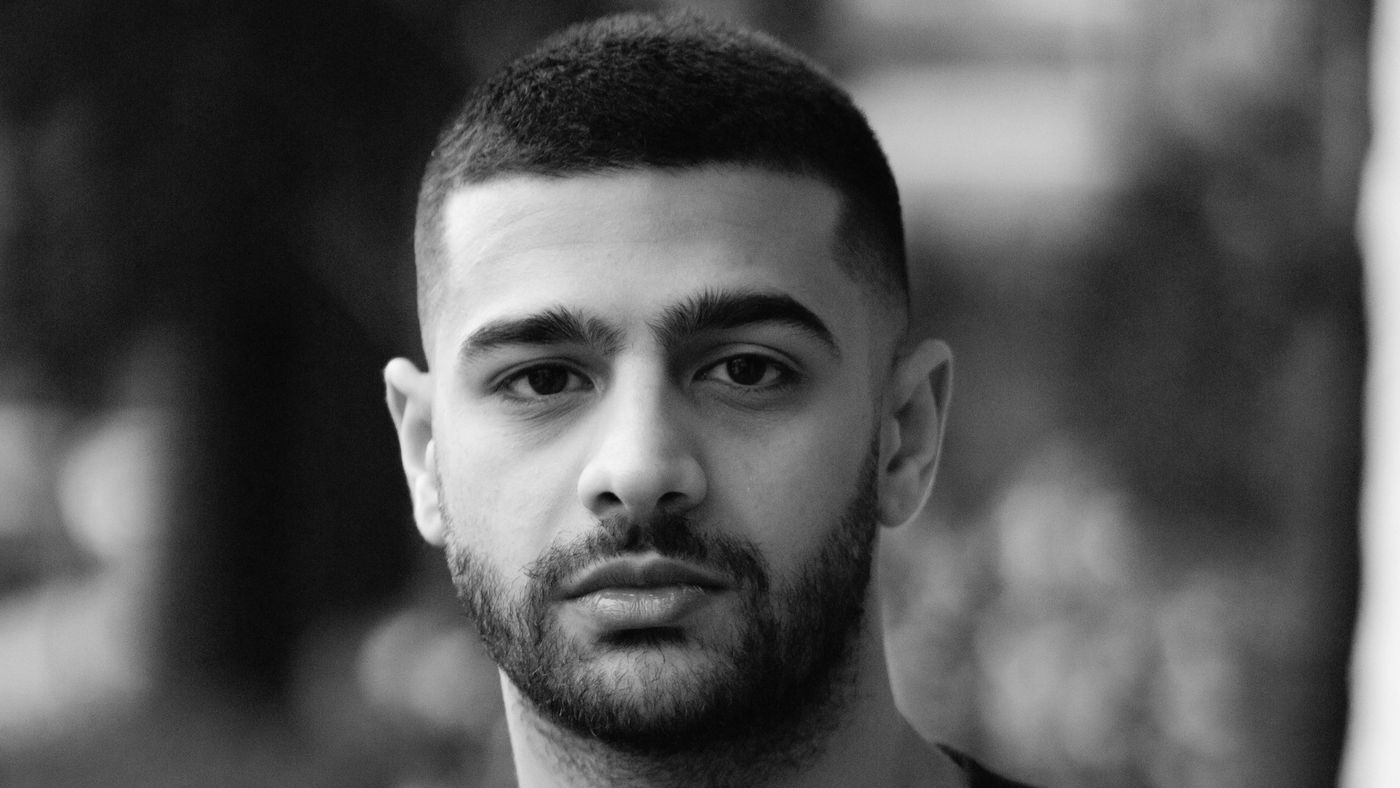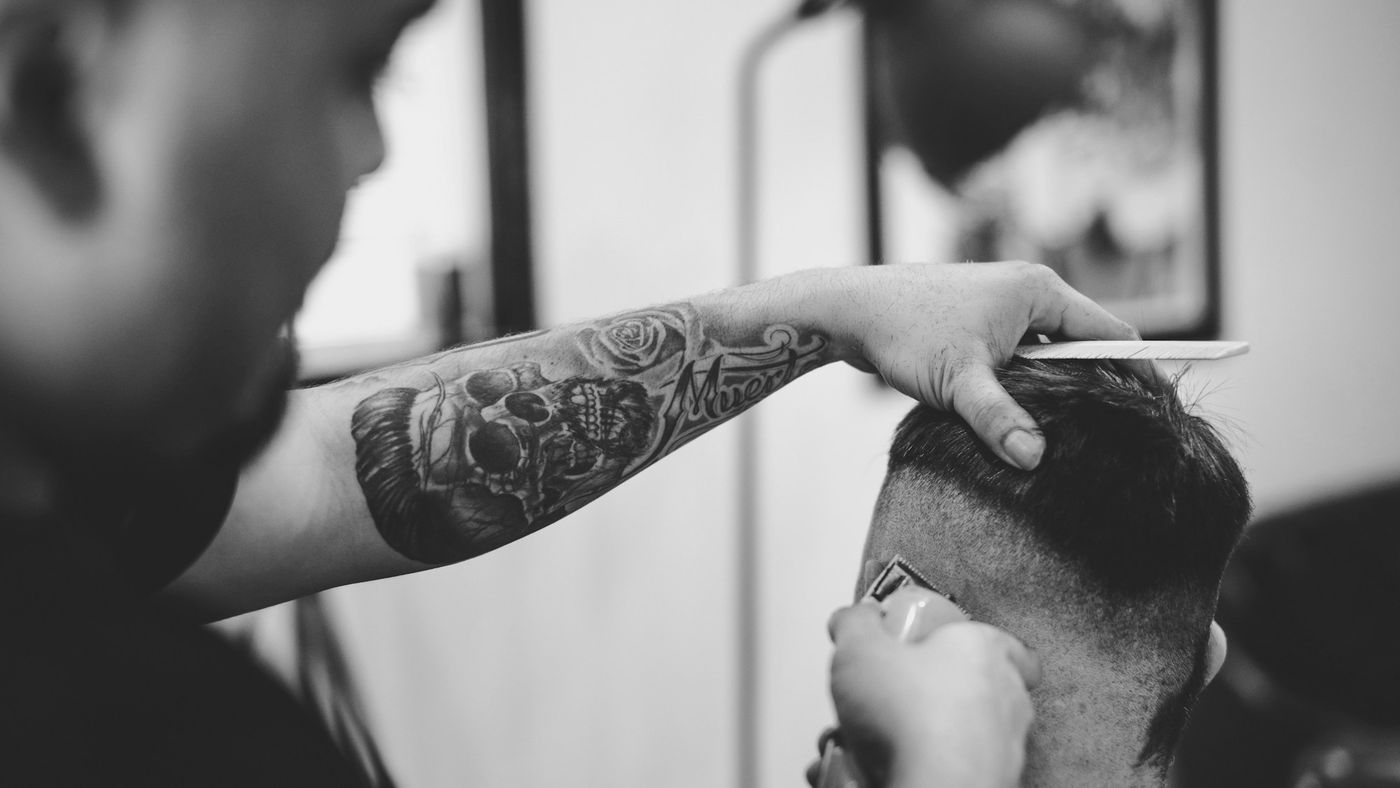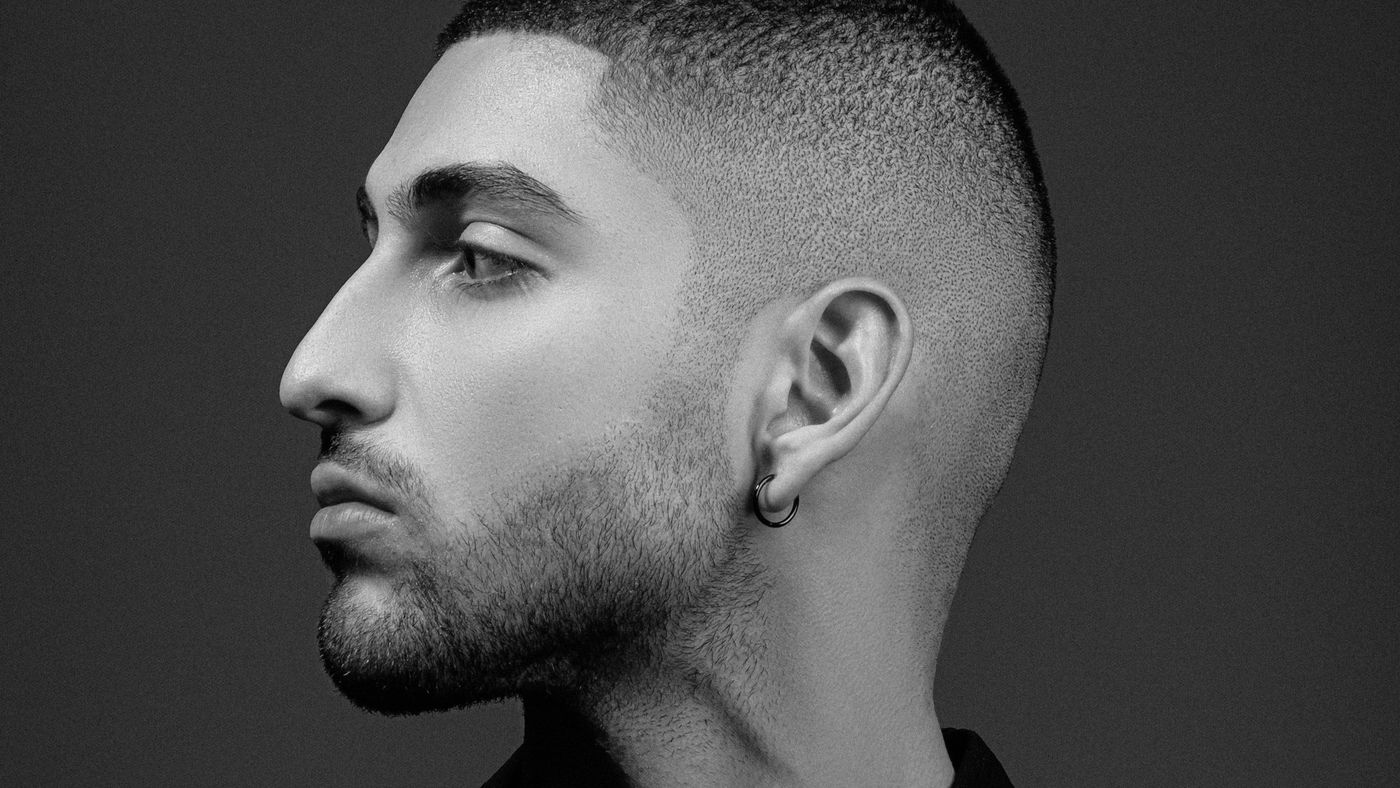
Short sides. Taken high. A short patch of hair on top. Nothing to style.
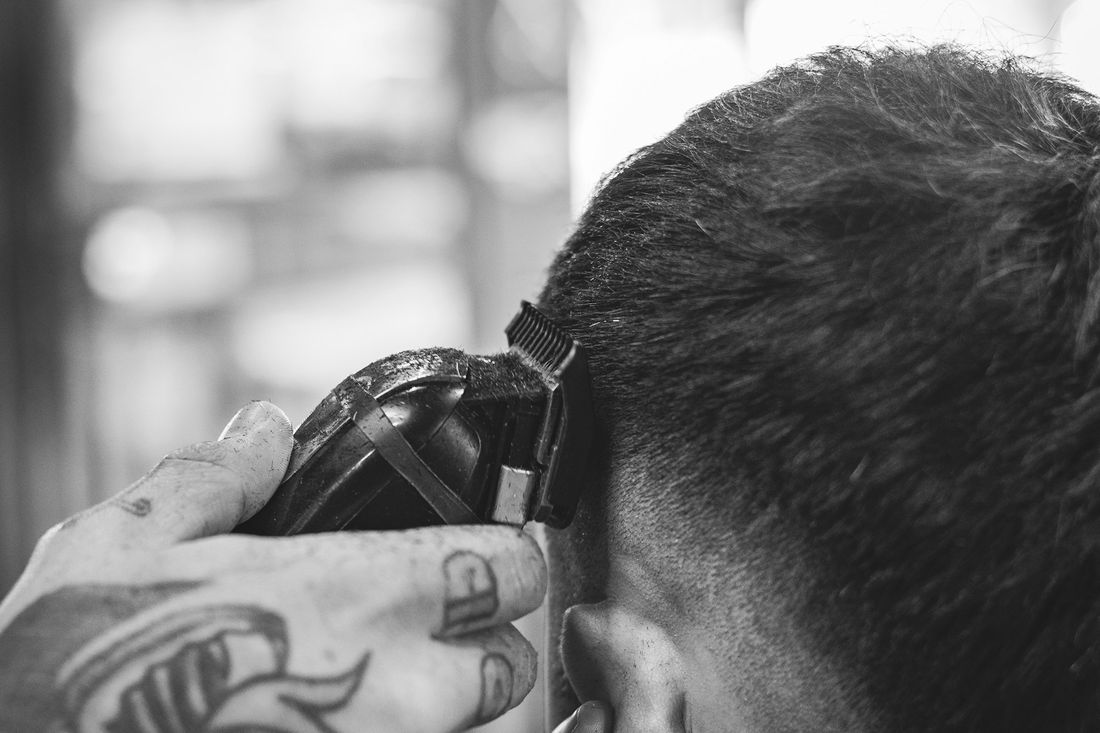
That is the high and tight. It is one of the oldest and plainest men’s haircuts around, and it is still one of the most requested, because it does exactly one thing very well: it looks sharp with zero effort.
Here is everything you need to know, in order.
1. What it is
A high and tight has two parts:
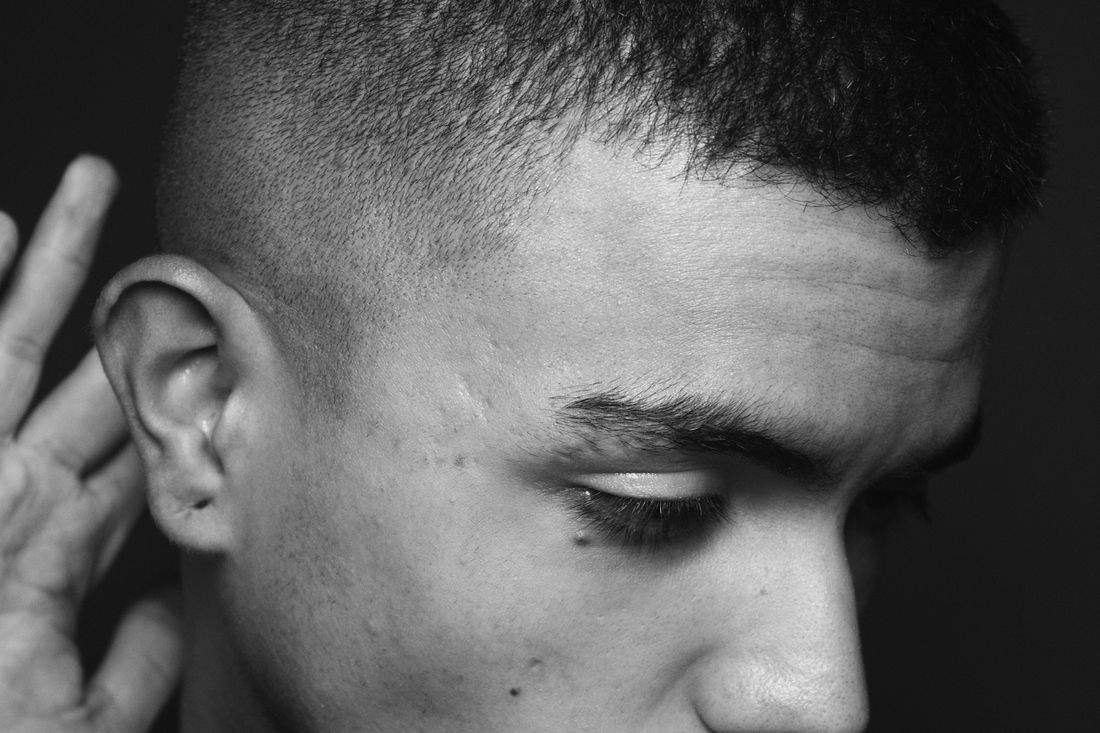
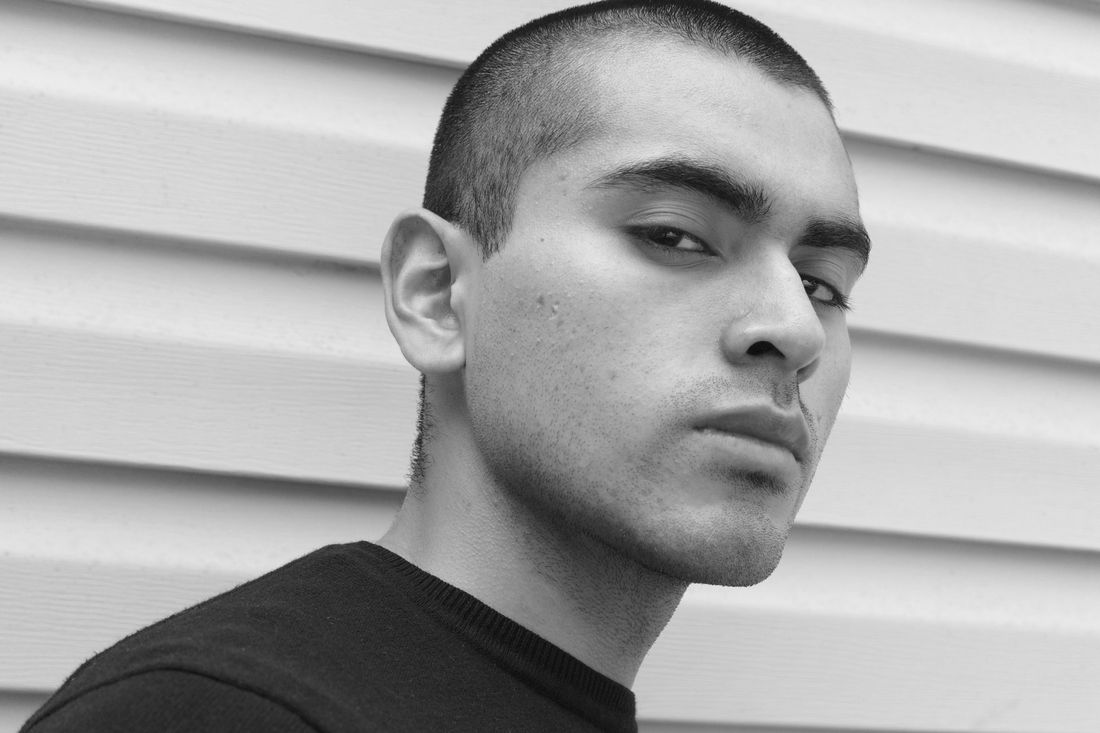
- The sides and back are cut very short — often down to a #0 or #1, sometimes to skin — and the short area goes high up the head, often to the point where the head starts to curve toward the top.
- The top is left slightly longer, but still short — usually somewhere between a #3 and an inch — and kept as a defined patch.
The transition between the two can be a hard line or a blend. That choice is what separates the main variations below.
2. Where it comes from
The high and tight is closely associated with the U.S. military, especially the Marine Corps. The logic was practical: short hair is easy to keep clean, fits under a helmet, and looks uniform across a unit. Over the decades it moved from barracks to barbershops, and today it is worn by plenty of people who have never been near a drill instructor.
3. The variations
Classic high and tight
Sides taken very short, high up the head, with a clear line or very short blend to a short top. The original.
High and tight fade
The sides fade gradually from skin or near-skin at the bottom into the top, instead of meeting it at a line. Softer and more modern. Our fade vs. taper guide explains how fades are built.
The recon
A more extreme version: the sides are shaved to skin very high, leaving only a small patch on top. Very bold.
High and tight with a longer top
Same high, short sides, but with an inch or two on top that can be pushed forward or up. A good compromise if you want the clean sides without a buzzed top.
4. Who it suits
- Oval and square faces. Strong jaws and balanced proportions carry it best.
- Round faces, if the top is left a little longer for height. Our round face guide explains why height helps.
- Thick hair. Short sides remove bulk where thick hair causes the most trouble.
- Thinning hair. A short top hides thinning far better than length does.
- Anyone who wants zero styling. Wake up, done.
5. Who should think twice
- Very long, narrow faces. High, tight sides can make a long face look longer. A lower fade may suit better.
- Anyone with a scar or bump on the side of the head they would rather not show. Very short sides show everything.
- Anyone who hates frequent visits. It needs regular upkeep.
5b. By hair type
- Thick, dark hair: the contrast between the sides and the top is very visible, which makes a high and tight look especially crisp.
- Fine or light hair: very short sides can look almost bare. A #1 rather than skin keeps a little shadow.
- Curly or coily hair: the top holds its shape beautifully when short, and the sides fade cleanly. A sharp line-up finishes it.
- Gray hair: a high and tight is one of the most flattering cuts for gray hair. Short and silver reads as deliberate and sharp.
- Cowlicks at the crown: leaving the top a touch longer gives the crown something to lie down with.
5c. High and tight at work
For a cut with military roots, the high and tight is surprisingly versatile. It works in uniformed and physical jobs for obvious reasons: it is practical, clean and fits under a helmet or hard hat. It works in offices because it reads as disciplined rather than trendy. And it works on weekends because there is nothing to style. If your workplace is very conservative, a high and tight fade with a slightly longer top is the softest version.
6. Upkeep
The sides of a high and tight are cut close to the skin, so growth shows quickly. Plan on a cut every two to three weeks to keep it sharp. Between cuts, an Edge Up (from $12, ten to fifteen minutes) keeps the outline and neckline clean.
The top barely needs anything. No product, no comb, nothing.
7. How to ask for it
Give your barber three facts:
- How short on the sides: “#1 on the sides” or “down to skin.”
- How high: “Take it high, up to where my head starts to curve.”
- What on top: “#4 on top” or “leave about an inch.”
Then add whether you want a line or a blend. That is it. Our clipper guard chart shows what each number leaves.
8. High and tight vs. similar cuts
- vs. buzz cut: a buzz is one length all over. A high and tight has a noticeable difference between the sides and the top. Our post on crew cut vs. buzz cut covers the buzz in detail.
- vs. crew cut: a crew cut has short sides and a little more length on top, but the sides are usually not taken as high or as short.
- vs. high fade: a high fade is about the gradient on the sides; the top can be any length. A high and tight specifically keeps the top short too.
9. With a beard
A high and tight with a beard is a strong look. Keep the beard short and tidy so it matches the precision of the haircut, and ask for the sideburns to be faded into the beard. Our beard fade guide explains the blend. At our shops, that is a job for Classic & Beard (from $35).
10. Scalp care
Short sides leave skin exposed. A few things help:
- Sunscreen on the sides and back in summer.
- A light moisturizer in winter, when cold air and indoor heating dry the skin.
- Mention any sensitivity to your barber. If razor bumps are a problem, they can stop at a #0 or #½ instead of going to skin. The Mayo Clinic’s page on ingrown hair explains why that helps.
11. Common mistakes
- Too long on top. Then it is not a high and tight; it is a fade with a long top. Fine, but say which you want.
- Too low on the sides. If the short area stops near the ears, it reads as a regular short cut.
- Skipping upkeep. A grown-out high and tight just looks like an overdue haircut.
- Cutting it at home. The top is easy. Blending the high sides cleanly is not. If it goes wrong, our guide on fixing a bad haircut will help.
11b. Your first high and tight: what to expect
- It will feel shorter than it looks. Running your hand over very short sides for the first time is a shock. Give it a day.
- Your ears will look bigger. Everyone says this. It passes in about a week.
- You will save time every morning. That part does not pass.
- Book the next one before you leave. Two to three weeks out is the sweet spot.
11c. High and tight through the seasons
- Summer: the most comfortable cut there is in the heat and humidity. Sunscreen on the sides.
- Winter: a hat covers most of it, and the short top means no hat hair. Moisturize the sides if the skin gets dry.
- Spring and fall: many people grow the top a little longer for a softer look, then go back to tight for summer.
12. For kids
A high and tight is a practical summer cut for boys too — cool, easy, no styling. Kids’ cuts at our shops cost the same as an adult cut and take about thirty minutes. Our post on nine boys’ haircuts that survive a school morning has other options. We do not cut girls’ hair at the barbershop; for girls, Three Palms Salon shares our Williamsville building at 6100 Main St.
13. At the Tonawanda shop
A high and tight is a Classic at our shops — clippers, scissors, edger and straight razor, about thirty minutes, from $25. Dorian Mayham (master barber), and Sam Balesteri and Zaid Blasiny (licensed New York State barbers) cut them every week. In New York, barbers are licensed through the Department of State.
The shop is at 578 Delaware St., open Tuesday through Friday 7AM to 7PM and Saturday 8AM to 1PM. Walk-ins are welcome when there is an open chair — appointments are encouraged, so call 716-389-0192 to confirm someone is free.
Book online. Say “high and tight,” give your numbers, and sit still. That is the whole order.