Ask a room full of barbers whether scissors or clippers make the better haircut and you will start an argument that lasts all afternoon. The honest answer is that it depends — on your hair, on the style, and on which part of your head we are talking about.
So instead of picking a side, let us put them head to head. Six rounds, a fair score for each, and then the real answer: most of the best haircuts use both.
The basics
A clipper cut
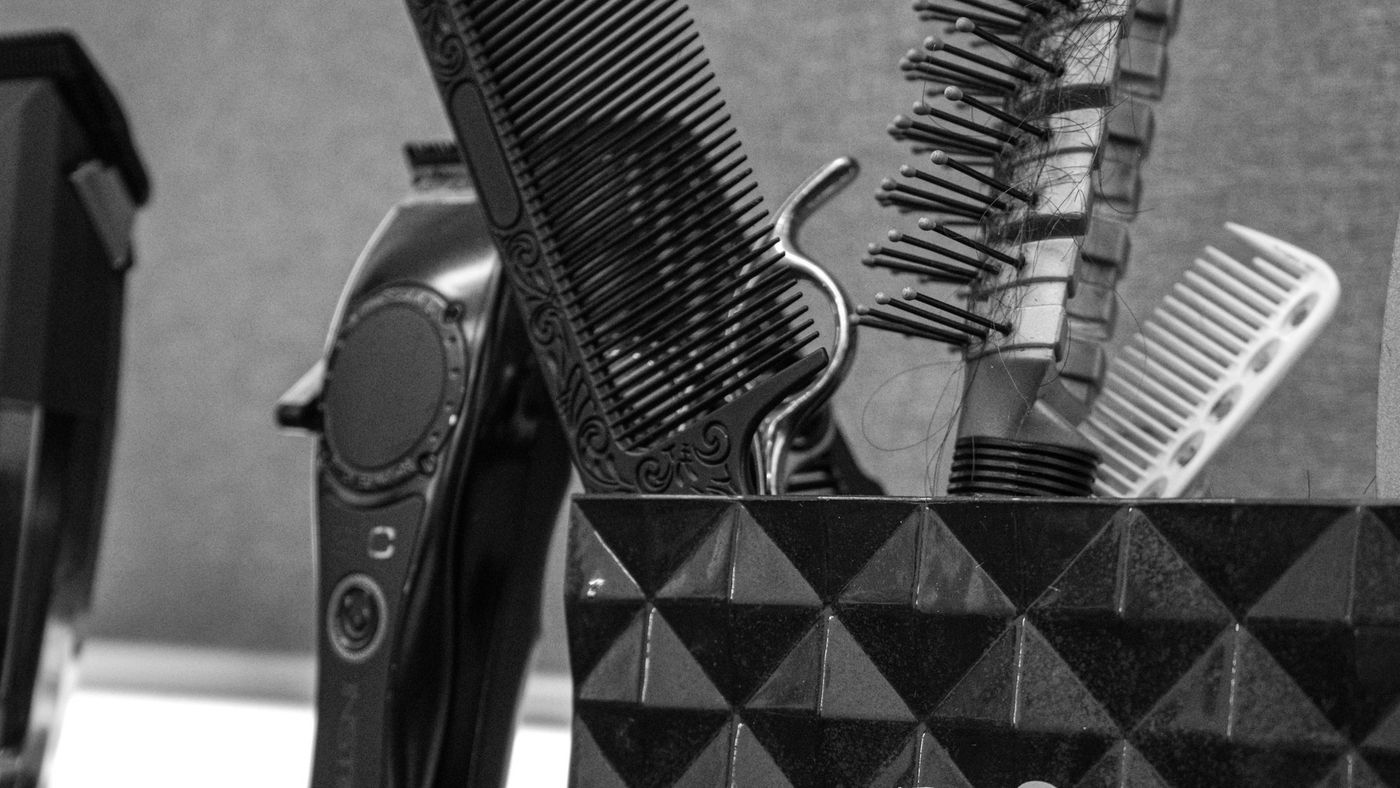
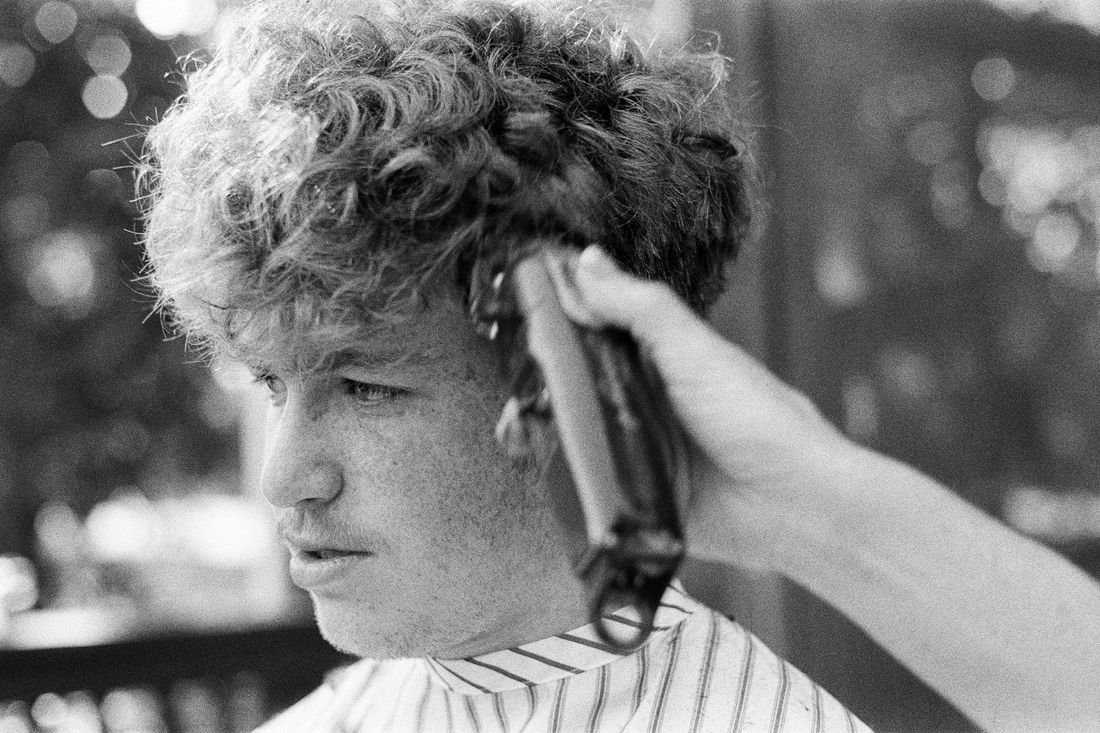
Clippers use a vibrating blade with a guard that sets the length. The guard number decides how much hair is left — a #2 leaves about a quarter inch, for example. Our clipper guard chart has the full list. Clippers are fast and very even.
A scissor cut
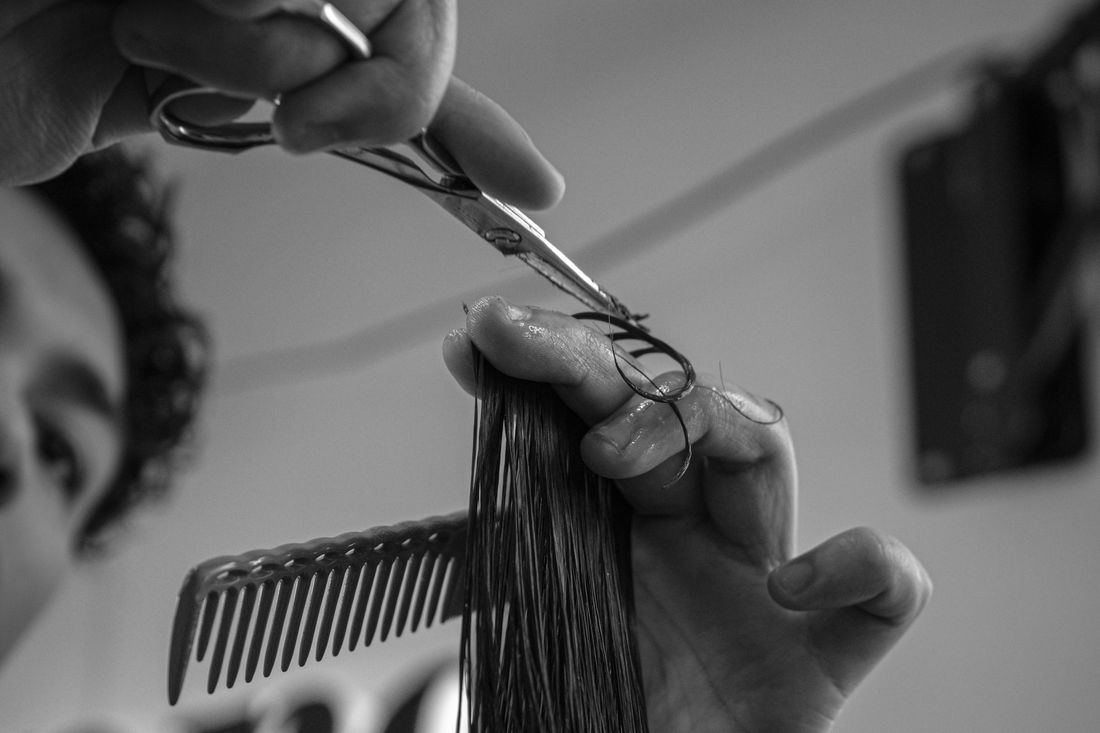
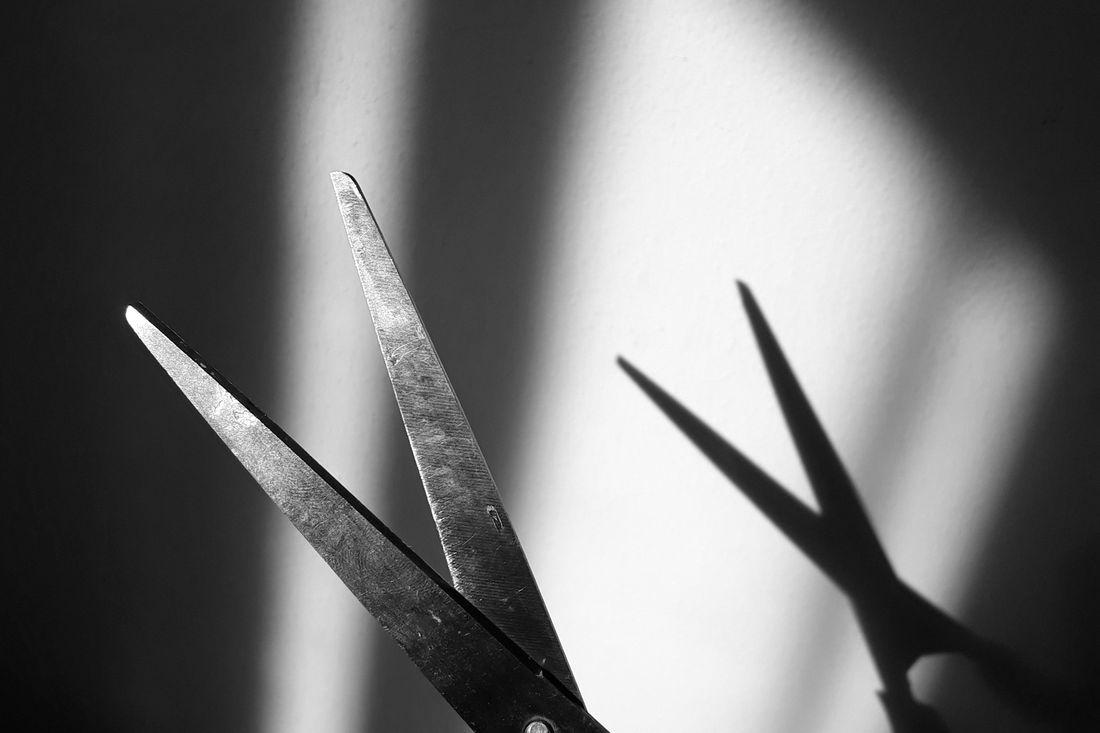
Scissors cut hair held between the barber’s fingers or over a comb. The barber decides the length by eye and by hand, section by section. Scissors are slower and more individual.
Scissor-over-comb
A technique in between: the barber lifts hair with a comb and cuts along it with scissors. It gives a soft, blended finish on shorter hair without clippers. It takes skill and a bit more time.
Round 1: Short sides
Point: clippers.
For anything shorter than about half an inch — fades, tapers, buzz cuts — clippers are faster, more even and more precise. A skin fade is essentially impossible with scissors alone.
Round 2: Length on top
Point: scissors.
Once hair is long enough to move — roughly an inch and up — scissors give a softer, more natural shape. The barber can cut each section to suit how it falls, add texture, and connect the top to the sides more smoothly.
Round 3: How it grows out
Point: scissors.
Scissor cuts have soft edges, so they grow out gradually. Clipper cuts, especially fades, have a crisp gradient that blurs as it grows. That is why scissor cuts usually last longer between visits.
Round 4: Speed
Point: clippers.
A clipper buzz can take ten minutes. A full scissor cut takes longer, because every section is done by hand. At our shops, a Classic is booked as about thirty minutes either way, because it uses both. Our post on how long a haircut takes breaks down where the time goes.
Round 5: Sensory comfort
Point: scissors.
Clippers buzz and vibrate. For most people that is nothing. For some — especially children who find haircuts hard — the noise and vibration are the whole problem. A scissor-only cut is quieter and gentler. We offer scissor-only cuts for kids who need them; our sensory-friendly haircuts guide explains how those appointments work.
Round 6: Precision lines
Point: clippers (and the razor).
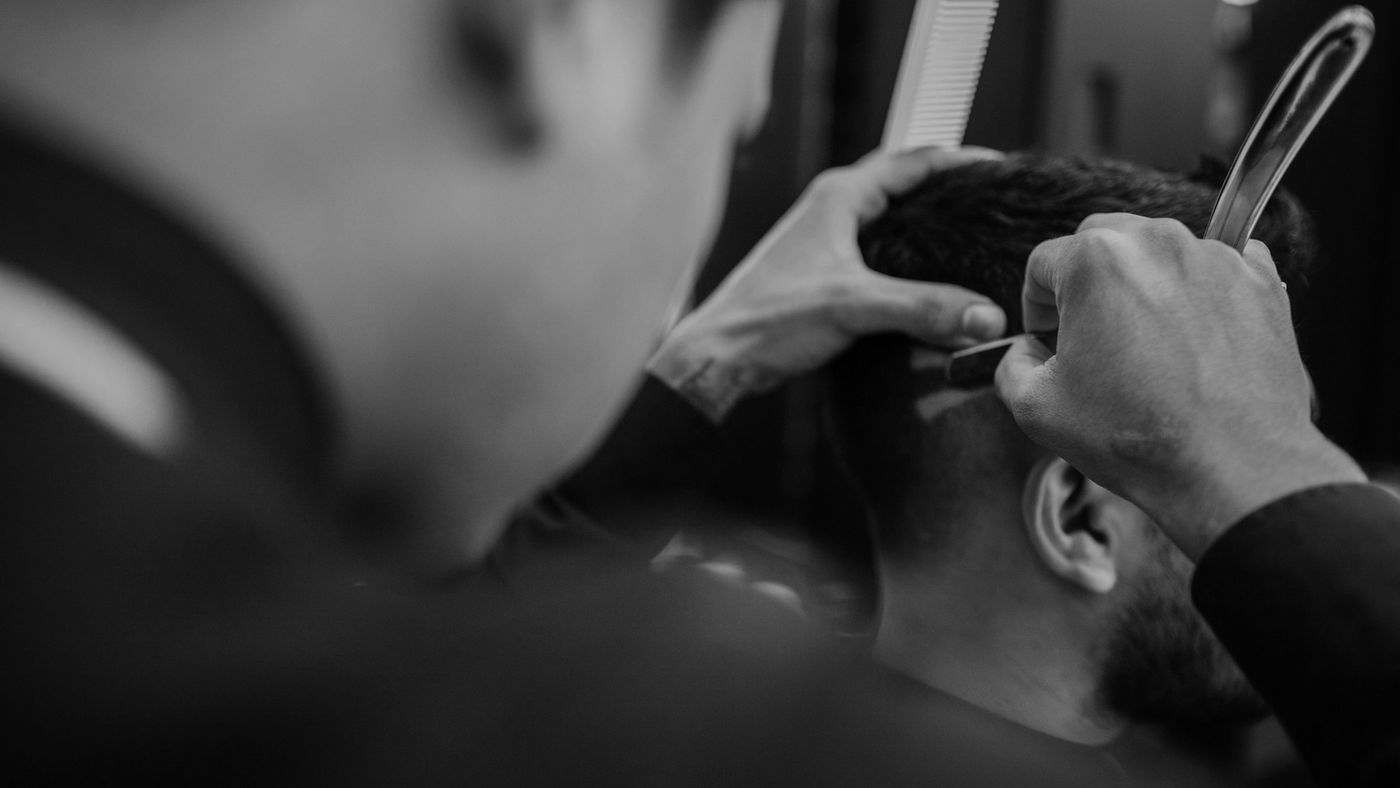
Clean outlines — the hairline, the temples, the neckline — are done with an edger (a small, fine clipper) and finished with a straight razor. Scissors cannot match that crispness. Our edge up explainer covers how outlines are done.
The scorecard
- Clippers: short sides, speed, precision lines.
- Scissors: length on top, natural grow-out, sensory comfort.
- Final score: 3–3. Which is the point.
The real answer: most cuts use both
Almost every good men’s haircut is a combination. Clippers for the sides and back. Scissors for the top. An edger and a razor for the outline. That is exactly how every Classic at our shops is done: clippers, scissors, edger and straight razor. Each tool does the job it is best at.
Which suits your hair?
- Fine or thin hair: clippers on the sides and a short scissor-cut top often look fullest. Clippers alone can show more scalp at very short lengths.
- Thick hair: both work. Scissors add texture to stop thick hair looking like a helmet.
- Curly hair: scissors are usually best for the curls on top, because each curl can be shaped individually. Our curly hair guide goes deeper.
- Coarse or wiry hair: clippers handle the sides well; scissors control the top.
- Very short all over: clippers. That is what they are for.
Which suits your style?
- Buzz cut: clippers only.
- Skin fade: clippers, plus scissors for any length on top.
- Classic taper: clippers on the sides, scissors on top.
- Medium-length or longer cuts: mostly scissors, clippers just for the neckline.
- Scissor cut with longer sides: scissors throughout, maybe scissor-over-comb at the back.
Our post on nine low-maintenance haircuts rates each style on how long it lasts.
What each one feels like in the chair
Clippers
A steady buzz and a light vibration, mostly around the sides and back of the head. Quick passes, a bit of noise near the ears. Most people barely notice it after the first minute.
Scissors
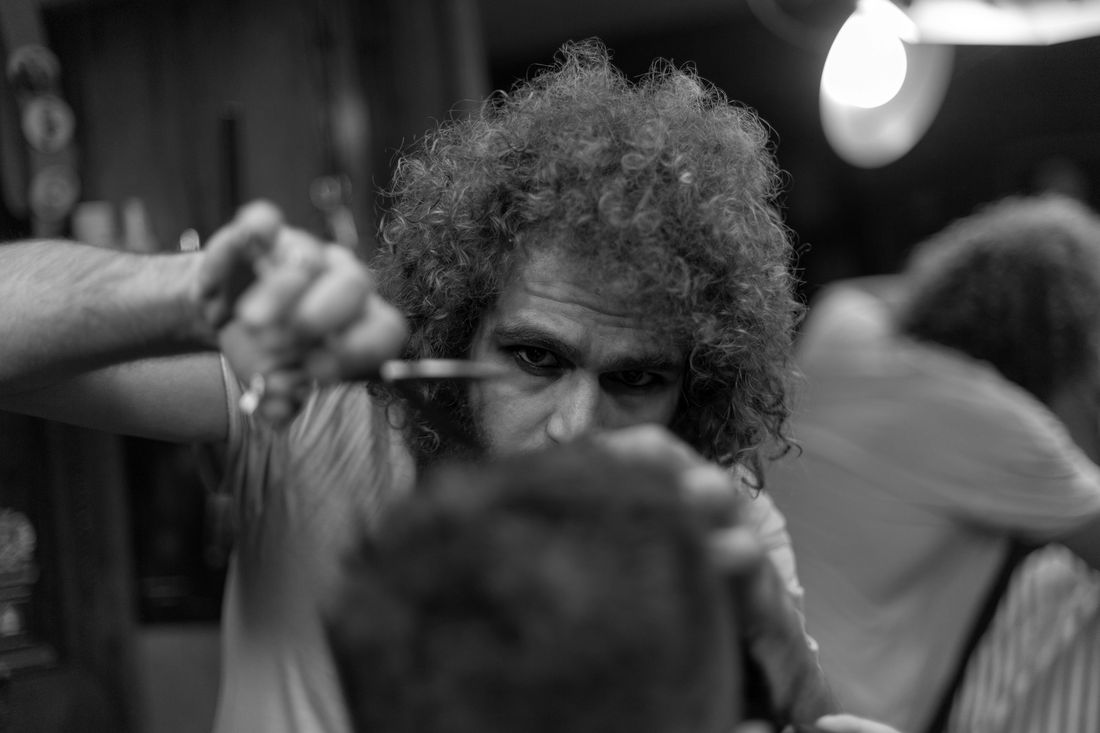
Quieter: the snip of the blades, the comb lifting sections of hair, the occasional light tug. Slower and more methodical. A lot of people find a scissor cut more relaxing.
Edger and razor
The last few minutes. The edger is small and precise; the razor is cool and very light on the skin. This is the part that makes the cut look finished.
Thinning shears: the third tool
You may also see your barber use scissors with teeth on one blade. These are thinning shears, and they remove bulk without removing length. They are useful on thick hair that puffs out, or to soften the line where clipper sides meet a scissor-cut top. Used lightly, they make a cut sit better. Overused, they can leave hair looking frizzy — especially on curly hair — so a good barber uses them sparingly.
How each one affects your schedule
- Mostly clipper cuts — fades, buzzes, short tapers — usually need a visit every two to five weeks, because short hair shows growth quickly.
- Mostly scissor cuts — medium-length styles — can often go five to eight weeks.
- Combination cuts sit in between, and an Edge Up (from $12) halfway through stretches either.
Our post on how often to get a haircut has a full schedule by style.
Myths about both
- “Clipper cuts are lazy.” A clean fade is one of the most skilled things a barber does. The blend is all technique.
- “Scissor cuts are only for long hair.” Scissor-over-comb can produce short, neat cuts with a softer finish.
- “Clippers damage hair.” Sharp, well-maintained clippers do not. Dull tools of any kind can leave rough ends.
Can you ask for scissors only?
Yes. Just say so when you book or sit down. Bear in mind that a scissor-only cut needs a bit more length to work, especially on the sides, and it takes longer. If you want very short sides, clippers are the right tool.
How to ask for the mix you want
- “Clippers on the sides, a #3, tapered at the neck. Scissors on top — take about an inch off.”
- “Scissors all over, please, keep the sides over the top of my ears.”
- “A low fade, but cut the top with scissors so it looks softer.”
- “Whatever works best for my hair — I just want it to grow out well.”
That last one is a perfectly good request. Your barber will pick the right tool for each part of your head.
What about cutting at home?
Home clippers are easy to use for a single length all over. Blending between lengths — a fade or taper — is much harder, and home scissor cuts are harder still. If you are going to do it, keep it simple and leave the outline to a pro. And if it goes wrong, read our guide on how to fix a bad haircut before reaching for the clippers again.
Who is behind the tools
Using both tools well is a large part of what barber training covers. In New York, barbers are licensed through the Department of State, and the Bureau of Labor Statistics has a good overview of the job, including how barbering differs from cosmetology. Our post on barbers vs. stylists explains why that matters when you choose where to go.
The Williamsville shop
6100 Main St., Williamsville, NY 14221. Tuesday through Friday 9AM to 6PM, Saturday 8AM to noon, closed Sunday and Monday. Jon Palmeri (owner and master barber), Dave Scolla (master barber), and Michael Falzone and Bryan Castronova (licensed New York State barbers) use both tools every day. A Classic starts at $25 and takes about thirty minutes.
Book online or call 716-389-0192. If you have a preference — clippers, scissors, or “whatever works best” — say so when you sit down. For more on the shop, see our Williamsville barber shop guide.