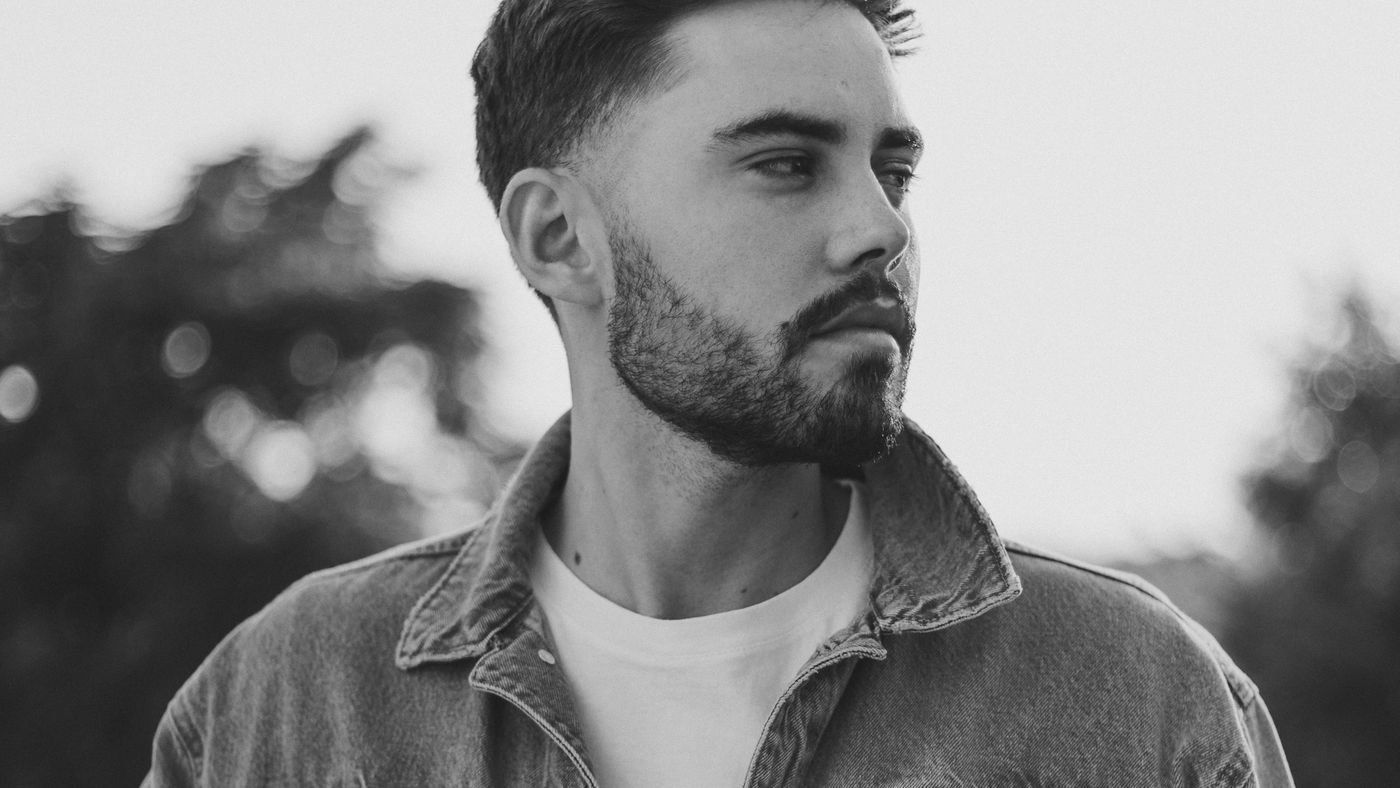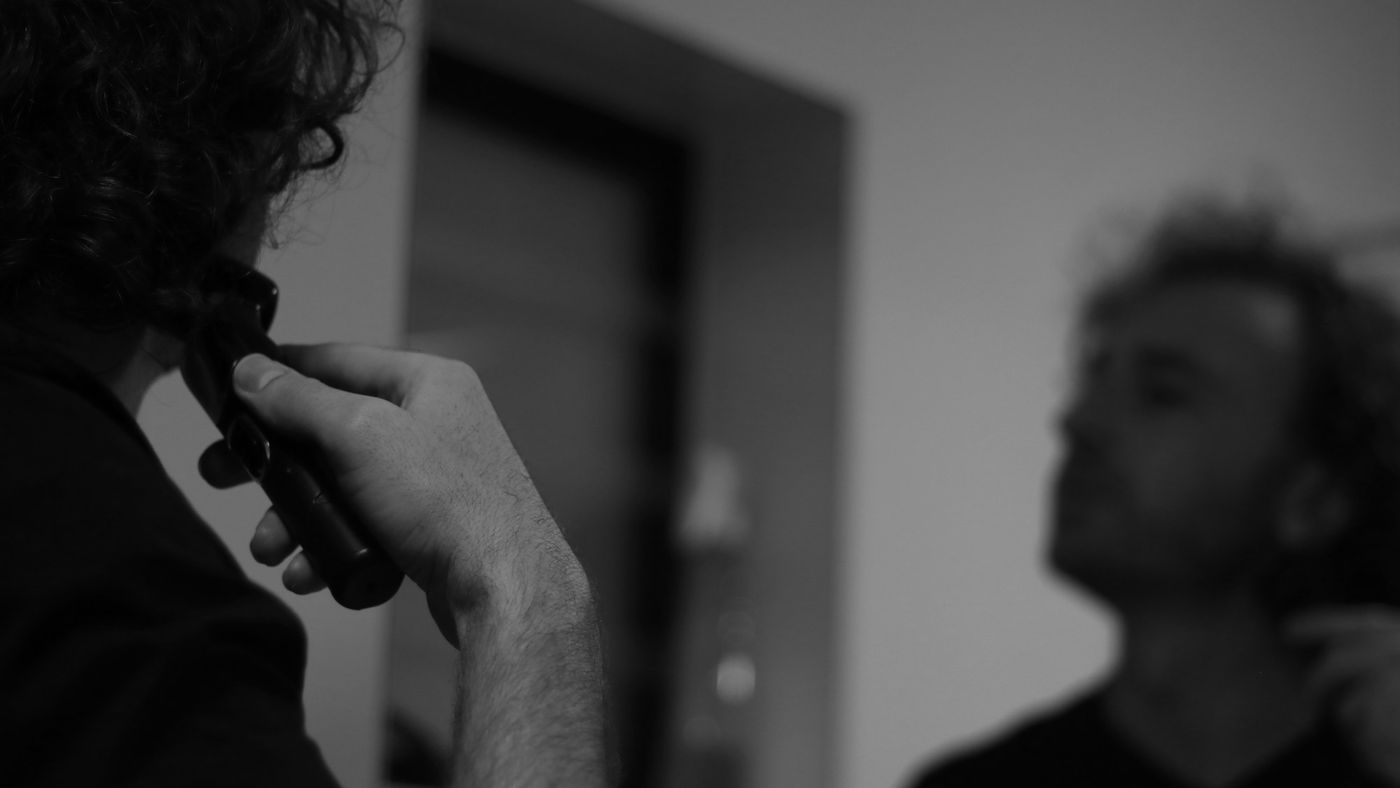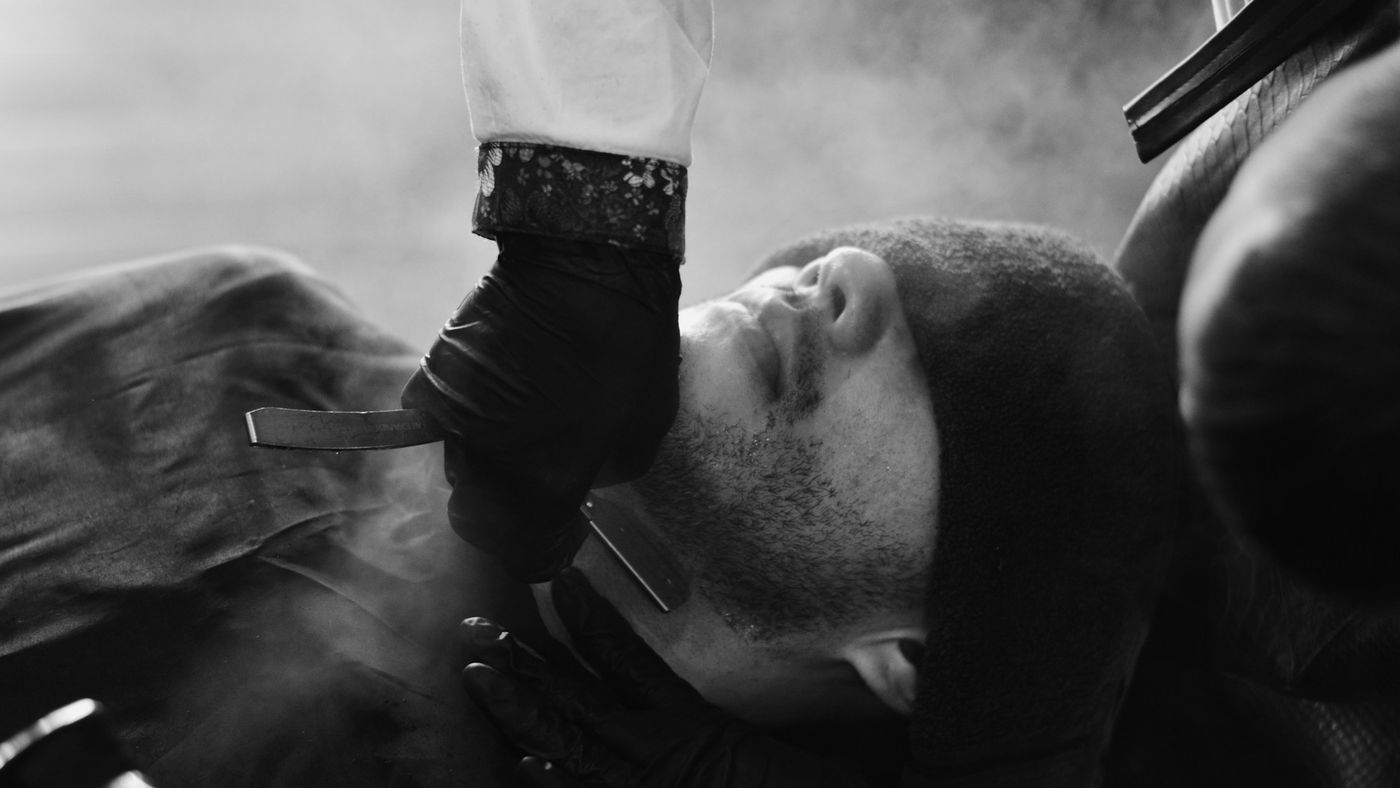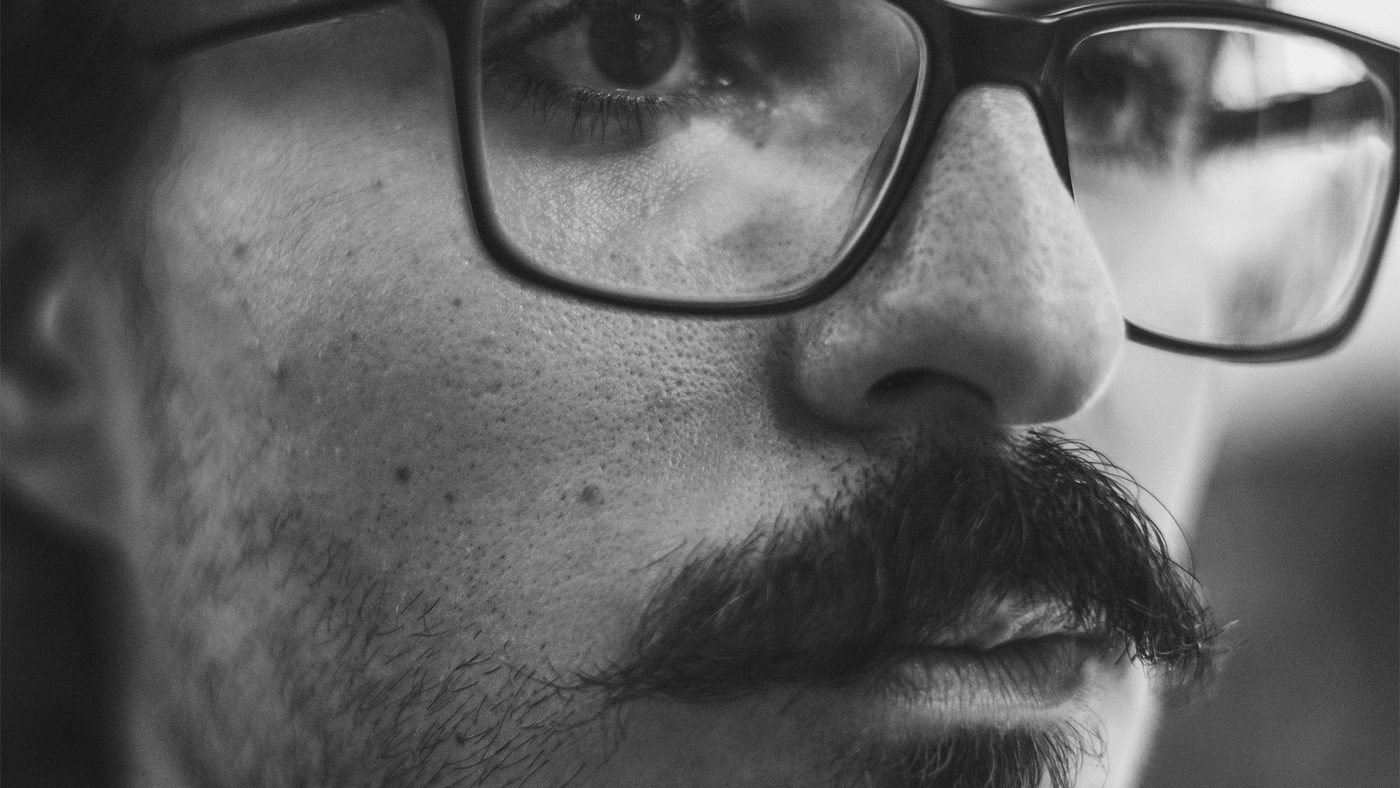
A beard with no mustache is one of the oldest looks a barber gets asked about, and one of the least understood. Most guys picture it one way — a sixteenth president on a five-dollar bill — and either love it or can’t imagine wearing it. The truth is wider than that. The beard no mustache family runs from a thin line along the jaw to a full, square chin beard, and a few of those shapes look surprisingly modern on the right face. So let’s do this properly: a little history first, because the style has a good story, and then everything you need to actually grow it, shave it and keep it clean.
Fair warning up front. This is a strong look. It reads as deliberate in a way that a full beard or stubble doesn’t. That’s not a reason to skip it — it’s a reason to do it well.
A short history of the beard with no mustache
For a long stretch of the nineteenth century, facial hair was close to the default for grown men in America and Europe, and men experimented with every combination of beard, sideburns and mustache you can think of. The beard without a mustache was one of the standard options, not a novelty. It kept the jaw framed and the chin covered while leaving the mouth clear, which had a practical appeal for anyone who didn’t want hair in his soup or coffee.
The most famous example, of course, is Abraham Lincoln. He was clean-shaven for most of his public life and grew his beard around the time of the 1860 election. The often-told story is that a young girl wrote to him suggesting a beard would improve his looks. Whatever the full reason, the result was the shape everyone now calls "the Lincoln": a full chin beard that follows the jawline from ear to ear, with the upper lip shaved clean. It suited his long face and strong cheekbones, and it’s probably the single most recognized beard in American history.
The style also has deep roots in religious and plain-dress communities. Among the Amish, for example, married men traditionally grow a beard and keep the upper lip shaved. That’s a matter of faith and custom, not fashion, and it deserves respect. When people use the phrase "Amish beard" today they usually mean the shape, not the meaning behind it, and it’s worth knowing the difference before you borrow the name.
The look faded in the twentieth century as clean-shaven faces took over, and it’s now back in quieter form as more men grow beards and experiment with what to keep.
The names, sorted out
Barbers and the internet don’t always agree on these terms, so here’s how we use them in the chair. Treat them as style names, a shorthand to get you and your barber on the same page.
The chin curtain
Hair along the jawline and the chin, running up toward the ears, with the cheeks and upper lip shaved. It can be narrow or full. The defining feature is that it "hangs" from the jaw like a curtain rather than covering the cheeks.
The Lincoln
A fuller, longer version of the chin curtain. The chin section has real length and some squareness at the bottom, the sides connect up to the sideburns, and the upper lip is bare. This is the one that looks most historical, and the one that takes the most commitment.
The shenandoah
A common name for a full beard on the chin and jaw with the mustache shaved off, often trimmed a bit shorter and neater than a classic Lincoln. In practice it’s a full beard with a clean upper lip.
The chin strap
A thin line of beard following the jaw, usually a quarter inch or so wide, with everything else shaved. It’s the most minimal version and the most demanding to keep sharp, because every line is visible.
The goatee with no mustache
Just the hair on the chin, sometimes a little under the lower lip, with no connection to the sideburns and no mustache. If you search "goatee no mustache" or "goatee without mustache," this is what you’ll find. We cover it, along with the rest of the goatee family, in our guide to goatee styles.
Who a beard with no mustache suits
Here’s the honest version. This look shifts attention to the jaw and the mouth. That’s great for some faces and less flattering for others.
- Long or narrow faces tend to do well, especially with a fuller chin section that adds width at the bottom. That’s part of why it worked on Lincoln.
- Soft or rounded jawlines can benefit from a chin curtain that’s kept a little fuller at the corners of the jaw, which suggests a sharper angle.
- Men whose mustache grows in patchy or a different color often find this is the beard that finally looks intentional. If the upper lip is the weak spot, removing it can be the fix.
- Men with a strong upper lip area and a clear mouth line wear it well, since that area is now front and center.
Where it’s harder: very round faces can look rounder with a wide, flat chin beard, and a thin chin strap can make a heavy jaw look heavier. Neither is a dealbreaker — length and shape fix a lot — but it’s why we suggest trying it with a barber’s eye on it the first time. Our beard trim styles roundup is a good place to compare it against other shapes before you commit.
The cons, fairly stated: it draws comments, it’s more upkeep than a full beard because the upper lip needs shaving every day or two, and the bare lip makes the contrast obvious if you skip a day. The pros: it’s distinctive, it’s comfortable to eat and drink with, and it can make a so-so beard look like a decision.
Growing it in
The single most common mistake is shaving the mustache on day one and trying to grow only the chin. You’ll spend weeks looking like you missed a spot. Instead:
- Grow everything for four to six weeks. Let the full beard come in so you can see where your hair is dense, where it’s patchy and where the natural jawline sits. Our post on how long it takes to grow a beard covers what’s typical.
- Get through the itch. The first few weeks are often itchy as short hairs curl against the skin. If it’s driving you up the wall, read our beard itch post before you give up.
- Then shape it. Once there’s enough length, a barber can set the cheek line, the neckline and the edges of the mouth area, and shave the upper lip clean for the first time.
Setting the neckline is just as important here as with a full beard. A chin beard with a fuzzy neck looks unfinished. Our guide to the beard neckline explains where it should sit — usually about a finger or two above the Adam’s apple, curving back toward the ears.
How to shave the upper lip cleanly
This is the part that makes or breaks the look. The upper lip is a small area, but it has a curve, a dip under the nose and hair that often grows in several directions. A rough shave there is very noticeable against a full chin. Here’s a method that works.
- Soften the hair. Shave after a shower, or hold a warm, damp washcloth on the lip for a minute. Warm water softens the hair and makes the shave easier on the skin.
- Use a shaving cream or gel. Don’t dry shave. Lather gives the blade something to glide on.
- Stretch the lip. Pull the upper lip down over your teeth to flatten the curve. This is the trick that makes the area under the nose manageable.
- Shave with the grain first. On most men the hair here grows downward and slightly outward from the center. Use short strokes, rinse the blade often, and don’t press.
- Clean the edges. Where the lip meets the chin beard at the corners of your mouth, decide on a clean line and keep it the same every time. Symmetry matters more here than anywhere else.
- Rinse and moisturize. Cool water, pat dry, and a gentle, fragrance-free moisturizer or aftershave balm.
The American Academy of Dermatology has a clear, short guide on how to shave that lines up with this, including replacing dull blades and shaving in the direction of growth. If the lip area tends to get bumps, their advice on razor bump prevention is worth a read too.
Which razor? A cartridge razor is the easy choice for a small daily area. A safety razor gives a close shave once you have the angle down. A straight razor is the classic tool and the one barbers use, but there’s a learning curve and a sharp one. We break down the tradeoffs in straight razor vs. safety razor. An electric foil shaver is fine too if your skin is sensitive — it won’t be quite as close, but it’s gentle and fast.
Maintaining a beard with no mustache
Once it’s shaped, the routine is straightforward. The trick is consistency, because this look shows neglect fast.
- Every day or two: shave the upper lip and the cheeks above your cheek line. Some men do both every morning; some every other day. Find your rhythm and stick to it.
- Every week or so: trim the chin section to length with a trimmer or scissors, and tidy the neckline.
- Every three to four weeks: see a barber to reset the shape. Lines drift. Your neckline creeps down, the corners of the mouth go uneven, and a professional reset keeps it looking like the day you started.
- Daily care: wash the beard a few times a week with a gentle cleanser, and use a little beard oil or balm to keep the hair soft and the skin underneath comfortable. Our post on beard oil vs. beard balm helps you choose.
The AAD’s tips for a healthy beard are a sensible baseline: wash regularly, moisturize, trim, and see a dermatologist if your skin gets irritated or stays itchy, red or bumpy.
If you ever decide to bring the mustache back, it’s easy: stop shaving the lip and give it a few weeks. Our guides on how to grow a mustache and how to trim a mustache pick up from there.
How to ask your barber for it
Names get mixed up, so describe the parts instead of relying on a single word. Something like:
- "I want to keep the beard on my jaw and chin and shave the mustache off completely."
- "Keep the chin about this long" — show with your fingers — "and the sides shorter."
- "Connect it to the sideburns" or "stop it below the ear," depending on what you want.
- "Clean the cheeks and set a neckline about two fingers above my Adam’s apple."
- "Square the bottom" or "round the bottom." A squared chin reads more Lincoln; a rounded one reads softer and more modern.
Bring a photo if you have one. Even if it’s not your exact face, it gives the barber a starting point, and a good barber will tell you how it’ll translate to your jaw and growth pattern.
At our shops, the service for this is the Classic & Beard: about 30 minutes, starting at $35, with full beard sculpting and line work alongside the haircut. If you want the upper lip and cheeks done the old-fashioned way, the Hot Towel Shave starts at $25 and includes pre-shave oil, hot lather, hot towels and aftercare. You can read more about it in what is a hot towel shave, and see the full menu on our services page.
A beard with no mustache in Williamsville: getting to the shop
Our Williamsville shop is at 6100 Main St., and plenty of students, faculty and staff come over from Daemen University, which is a short, straight drive down Main Street. Daemen University sits at 4380 Main St. in Amherst. From there it’s about 10 minutes and 3.2 miles.
- Head out of campus toward Main St.
- Turn left onto NY-5 E / Main St and stay on it for about 3.2 miles.
- Turn into 6100 Main St — the shop is on the left.
Open these directions in Google Maps
The Williamsville shop is open Tuesday through Friday 9AM–6PM and Saturday 8AM–12PM, closed Sunday and Monday. You’ll find Jon Palmeri and Dave Scolla, both master barbers, and Michael Falzone and Bryan Castronova, both licensed New York State barbers — meet them on our barbers page. When you book, you see each barber’s exact rate before you confirm. More about the shop is on the Williamsville page.
Book online or call 716-389-0192. Walk-ins are welcome when there is an open chair — appointments are encouraged, so call 716-389-0192 to confirm someone is free.
Lincoln made it famous. Grow it in full, shave the lip with care, keep the lines honest, and it’ll wear well.