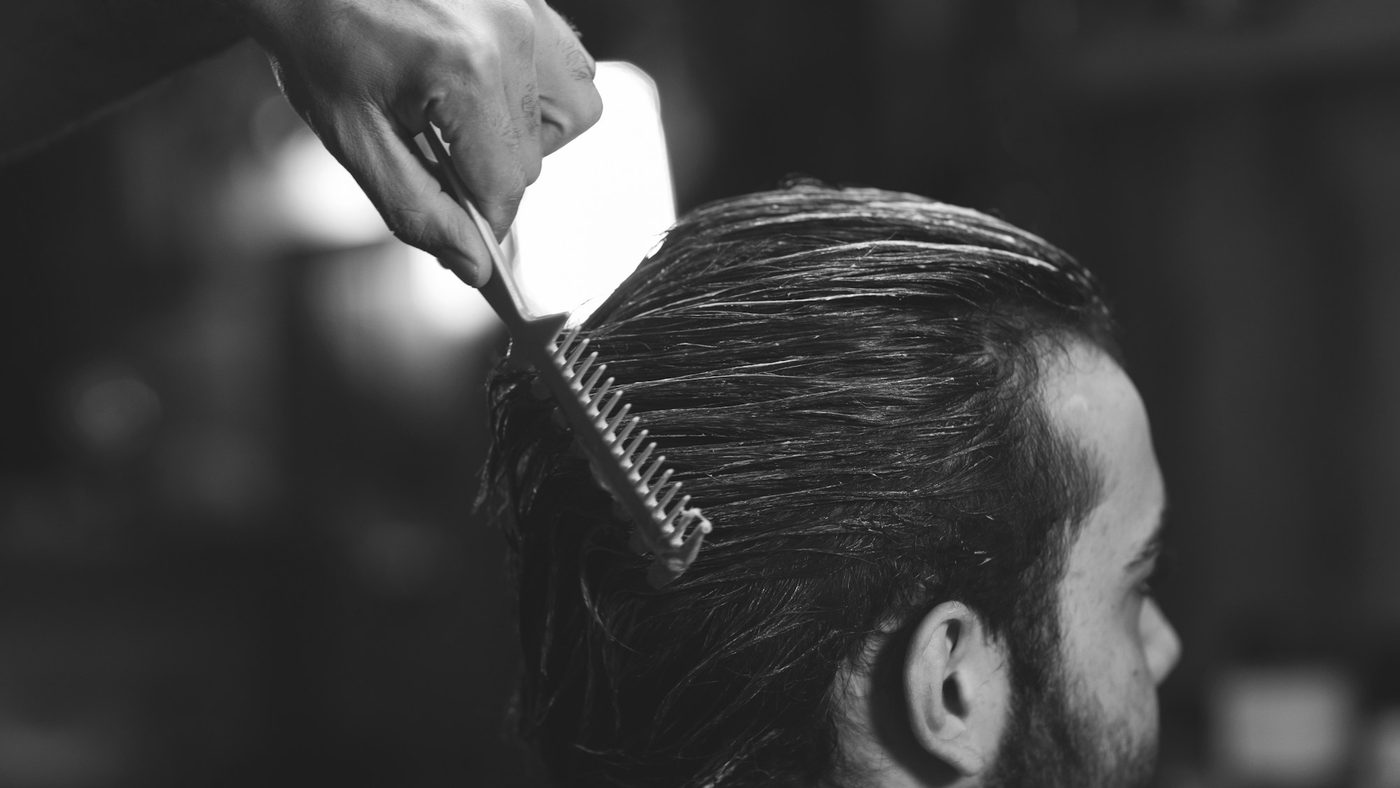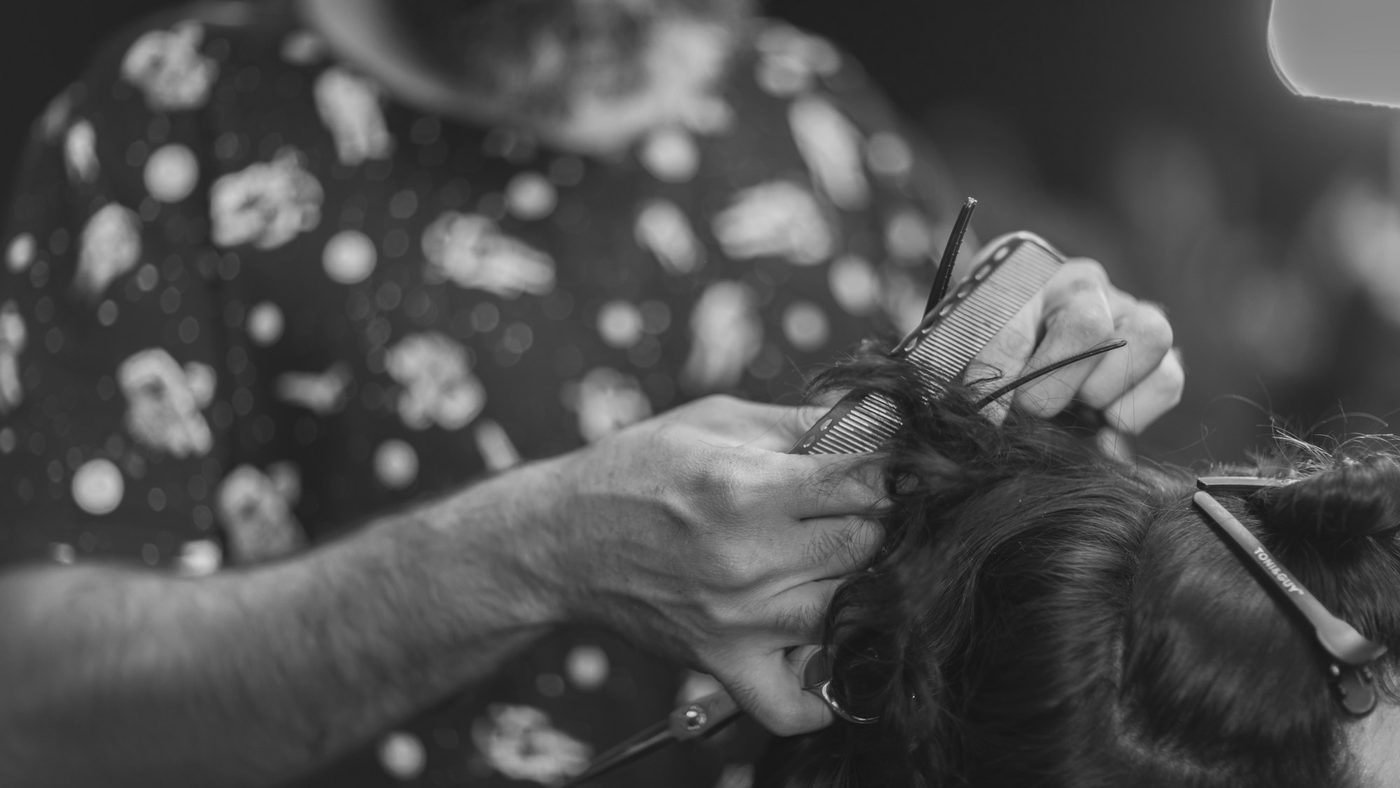
Comb vs brush is one of those questions guys ask us from the chair like they’re settling a bar bet. Which one is better? Which one is ruining my hair? Do I need both? The honest answer is that neither tool wins every round — and the fight isn’t really comb or brush, it’s which tool fits the hair you have and the job you’re doing that morning. So let’s run it like a proper bout. Two contenders, seven rounds, a verdict after each one, and a final scorecard at the end.
Ground rules: no brand names, no gimmicks, just everyday hair and beards. Want the short version? Skip to the scorecard.
Tale of the tape: meet the contenders
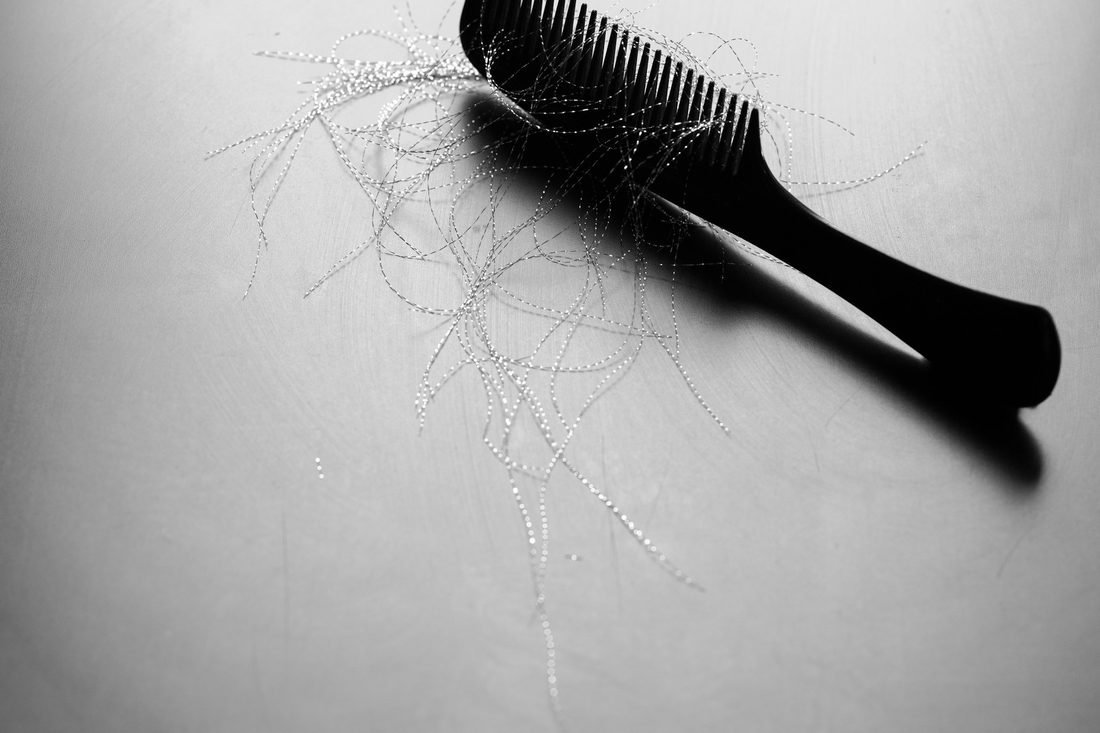
In this corner: the comb
Lean, precise and cheap. A comb is one row of teeth, and their spacing decides how it fights.
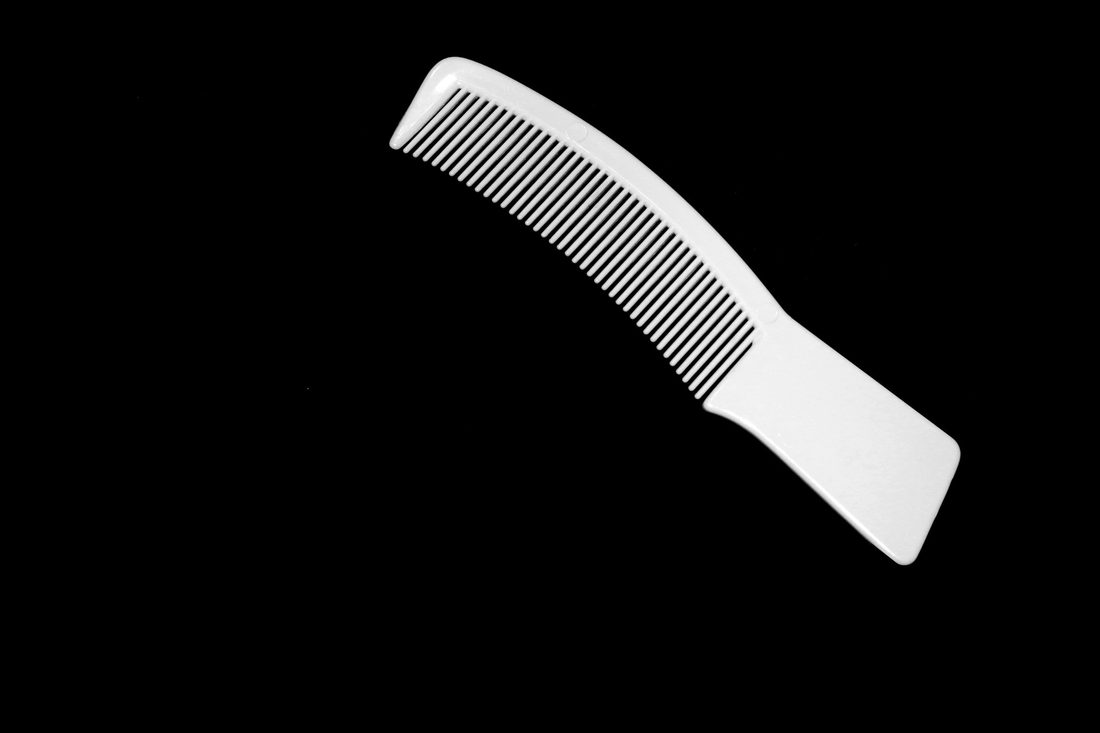
- Fine-tooth comb. Teeth packed close together. Makes clean parts, smooth sides and sharp lines. Barbers use them constantly because they hold hair flat and even for cutting. At home it’s the tool for a neat side part or a slick finish.
- Wide-tooth comb. Teeth spaced well apart. Moves through hair without grabbing every strand, which makes it the gentlest option for wet hair, curly hair and knots.
- Dual-tooth comb. One fine end, one wide end. The utility player — a reasonable pick if you only want one comb in the drawer.
- Pocket and beard combs. Short, usually fine-to-medium teeth. Built for quick touch-ups, mustaches and shorter beards.
And in this corner: the brush
Heavier, wider coverage, more styles of fighting. A hair brush for men usually falls into one of these weight classes:
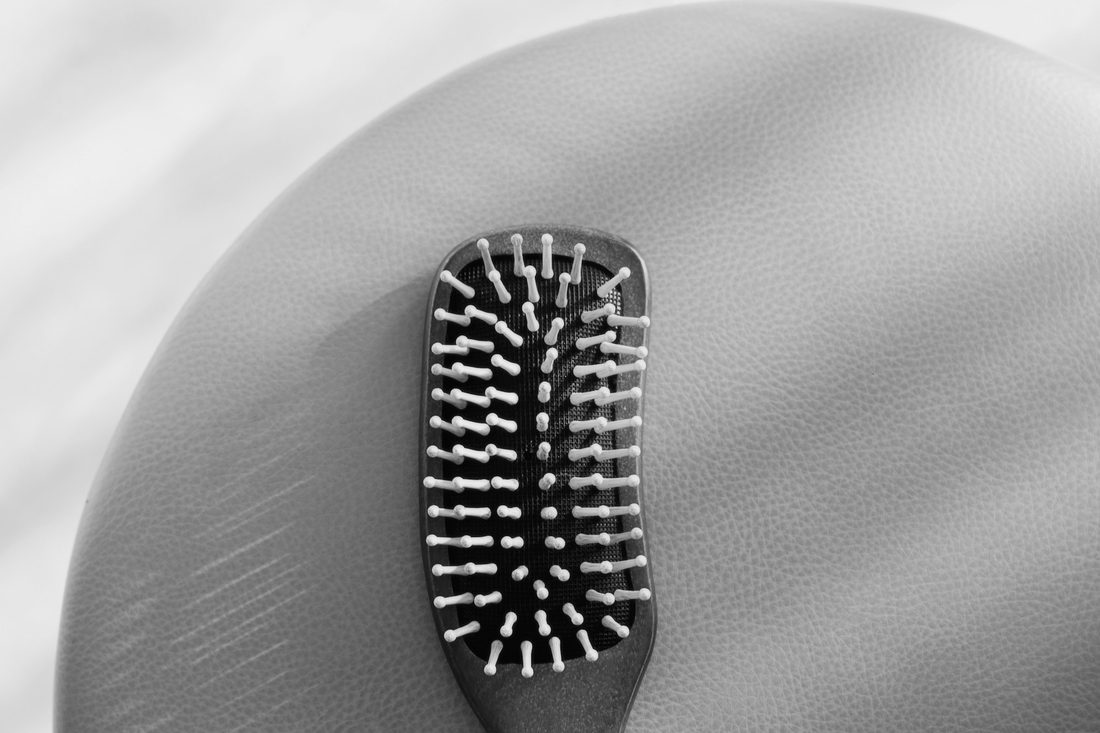
- Paddle brush. Big, flat face with widely spaced pins, often on a cushioned base. Covers a lot of hair fast. Good for longer straight or wavy hair and for detangling dry hair in sections.
- Boar bristle brush. Dense natural bristles. Doesn’t detangle much, but it’s excellent at smoothing the surface and spreading your scalp’s natural oil down the hair. Popular with guys who wear their hair short and neat, and a common pick for beards. Synthetic and mixed-bristle versions work on the same idea.
- Vent brush. Open, skeleton-style body that lets air flow through. Made for blow-drying fast and adding a bit of lift.
- Round brush. A cylinder of bristles. Used with a blow dryer to build volume or bend hair — think of a pushed-up front or a fuller quiff.
That’s the tale of the tape. Now the bell.
Round 1: Wet hair
Here’s where a lot of guys lose the fight before it starts. Hair is more fragile when it’s wet — it stretches, and stretched hair snaps. Dragging a dense brush through wet hair straight out of the shower is a common way to get breakage and split ends, especially if the hair is longer than a couple of inches.
The comb, specifically the wide-tooth comb, owns this round. Work from the ends up: start a few inches from the tips, clear any tangles there, then move higher. Let the conditioner do the work if you use one. With short hair — anything you’d call a short back and sides — you can usually skip detangling entirely and just rake the hair into place with your fingers or a comb.
The American Academy of Dermatology’s healthy hair tips are a good, sober read on treating hair gently, and nothing in them argues for yanking a brush through wet hair.
Verdict: Comb, clear decision. Wide-tooth, ends first, no hurry.
Round 2: Dry hair and everyday grooming
Dry hair is the brush’s home turf. Brushing hair vs combing on dry hair comes down to what you want. A boar bristle brush smooths the surface, takes down flyaways and moves oil from the scalp along the shaft, which can make short hair look healthier and a little less fuzzy. A paddle brush handles longer dry hair quickly.
The comb fights back on precision. If you want a defined part, a tight side, or a slicked look, the fine-tooth comb gives you control the brush can’t. The brush gives coverage; the comb gives lines.
One thing to skip: the old idea that you should brush a hundred strokes a night. More brushing isn’t better. Brush until the hair is smooth and in place, then stop. Overdoing it can rough up the hair instead of helping it.
Verdict: Brush on points for general smoothing — but the comb takes it if your style depends on a sharp part.
Round 3: Curly and coily hair
This round isn’t close. Brushing dry curls breaks up the curl pattern and usually turns defined curls into a frizzy cloud. Most curly-haired guys do better detangling only when the hair is wet and has conditioner in it, using a wide-tooth comb or their fingers, then leaving it alone while it dries.
There are exceptions — some guys with tight, short coily hair use a soft brush to shape and lay their hair down, and that’s a deliberate technique, not a mistake. But for most curls with any length, the comb or the hand wins. If you’re trying to figure out a cut that works with your curls instead of against them, our guide to haircuts for curly hair covers the shapes that hold up.
Verdict: Comb, with fingers as a strong corner man.
Round 4: Knots and tangles
Will a wide comb help with knots? Yes — and it’s the main reason the wide-tooth comb exists. Wide spacing lets you work into a knot gradually instead of tearing through it. The method matters more than the tool, though:
- Hold the hair above the knot so you aren’t pulling on your scalp.
- Start at the very bottom of the knot and pick at it with the end of the comb.
- Work upward a little at a time. Short strokes, not long drags.
- Use conditioner or a leave-in detangler if the hair is long and dry.
A paddle brush with widely spaced, ball-tipped pins can handle light tangles on dry, straighter hair. A dense bristle brush is the wrong tool for a real knot — it grabs everything and rips.
Verdict: Comb by knockout.
Round 5: Beard comb vs beard brush
The beard division gets its own round because the answer changes with length. Beard comb vs beard brush is really a question of how much beard you have and what you’re trying to do with it.
- Short beards and stubble. A brush wins. A firm bristle brush reaches the skin underneath, lifts flakes and dead skin, and helps spread oil or balm evenly. A comb barely has anything to grab at this length.
- Medium beards. Close fight. Use the brush daily to train the hair and work product in, and the comb to check the shape and detangle.
- Long beards. The comb takes over for detangling, especially a wide-tooth comb. The brush comes in after to smooth the surface and set the shape.
Either way, a beard brush vs comb routine pairs naturally with product. Oil or balm goes on first, then the tool spreads it down to the skin and out to the ends. If you’re not sure which product suits your beard, read our breakdown of beard oil vs. beard balm, and for the actual method, our step-by-step on how to apply beard oil. Brushing down to the skin is also part of keeping flakes in check — our beard dandruff field guide covers the rest. The AAD has a short, useful page of tips for a healthy beard as well.
Verdict: Split decision. Brush for short beards, comb for long ones, both for anything in between.
Round 6: Styling with product
Now we’re into the fun rounds. How you apply product and which tool you finish with changes the whole look.
- Slick backs and side parts with pomade. Comb. A fine-tooth comb lays the hair in tight, clean rows and makes the part. A comb over fade with a hard part basically requires one. Our guide on how to use pomade walks through the method.
- Volume and lift. Round or vent brush with a blow dryer. Lift at the root while drying, then finish with a small amount of product. This is how a quiff or pushed-up front gets its height.
- Textured, messy looks. Neither, mostly. Fingers do the job better. A comb or brush will smooth out the texture you’re trying to create.
- Neat, short, everyday hair. A quick pass with a boar bristle brush after a light product works well.
For a fuller rundown of products and the method for each, see how to style short hair.
Verdict: Draw. The style picks the winner, not the tool.
Round 7: Cleaning and upkeep
The round nobody trains for. A dirty comb or brush puts old product, oil, skin flakes and loose hair right back on your head. Here’s the cleanup routine:
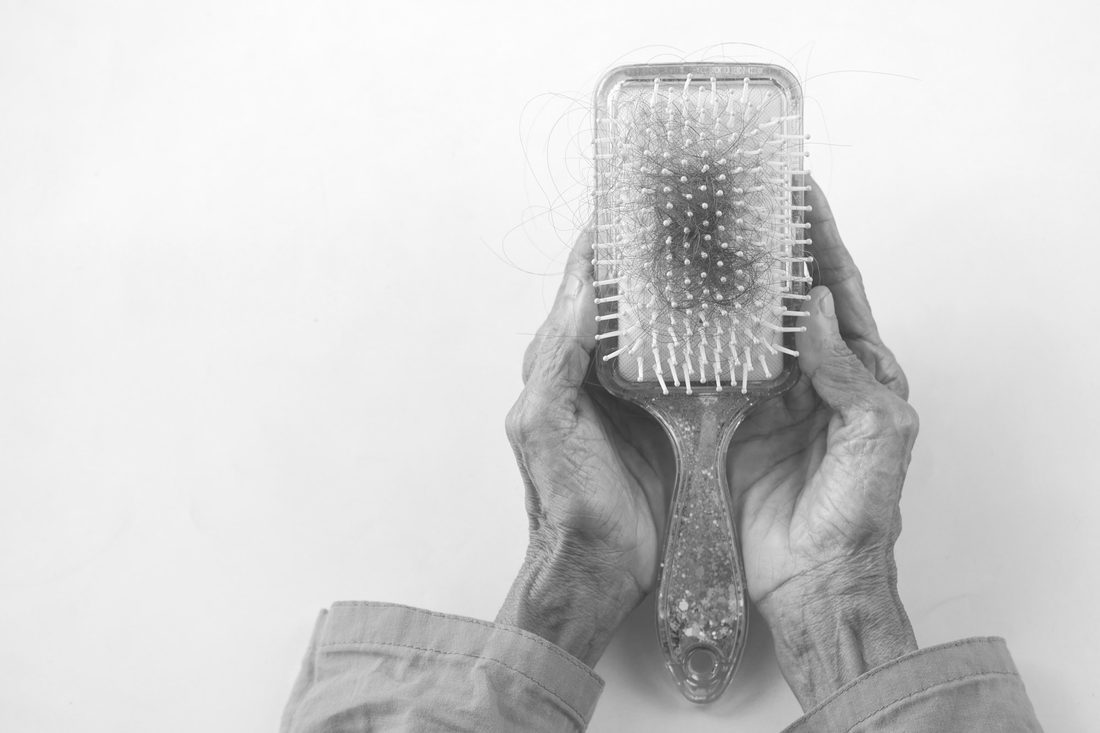
- Pull the hair out. After each use if you can, or at least every few days. The end of a comb or a pen works for lifting it out of a brush.
- Wash. About every week or two, soak combs and synthetic brushes in warm water with a little shampoo or dish soap for several minutes, scrub between the teeth or bristles with an old toothbrush, rinse well.
- Go easier on natural bristles and wood. Don’t leave a boar bristle or wooden brush soaking. Swish the bristles in soapy water, rinse, and keep water off the wooden handle as much as you can.
- Dry bristles-down. Lay brushes face-down on a towel so water drains out of the base instead of sitting in it.
- Replace when worn. Broken teeth on a comb snag hair. Bent or missing pins on a brush scratch the scalp. Swap them out.
Verdict: Comb on points. It’s easier to clean and easier to replace.
The scorecard: comb or brush?
Add it up and the comb wins more rounds — wet hair, curls, knots and cleanup — while the brush owns dry smoothing and short beards. Styling is a draw. But the real takeaway from this comb vs brush fight is that most guys should own one of each. A sensible starting kit:
- Short hair, straight or wavy: a dual-tooth comb and a boar or mixed-bristle brush.
- Longer hair or growing it out: a wide-tooth comb for wet hair and a paddle brush for dry hair. If you’re in the in-between stage, our guide on how to grow out your hair covers the awkward months.
- Curly hair: a wide-tooth comb. Maybe nothing else.
- Thick hair: a sturdy paddle brush for coverage plus a wide-tooth comb. Our page on haircuts for thick hair helps with the cut side of it.
- Beard: a beard brush for short growth, a beard comb as it gets longer.
What your barber does with both
Watch a barber work and you’ll see the comb in hand almost the entire cut. It lifts and holds hair for scissors, guides the clippers on a scissor-over-comb blend, sets parts and checks that both sides match. The brush comes out mostly at the end — sweeping off loose hair and finishing the style. Ask while you’re in the chair, and your barber can show you how they combed your style into place.
At our shop, every Classic cut (30 minutes, starting at $25) uses clippers, scissors, an edger and a straight razor. The Classic & Beard (30 minutes, starting at $35) adds full beard sculpting and line work. See the full menu and starting rates on our services page — you’ll see each barber’s exact rate before you confirm.
Directions from Sheridan Park Golf Course
Sheridan Park Golf Course is a public golf course in the Town of Tonawanda. If you’re finishing a round there, the shop is about 7 minutes and 2.6 miles away via Sheridan Dr and the Great Lakes Seaway Trail.
- Leave the course heading toward Riverview Blvd (0.7 mi).
- Turn left onto Military Rd / Great Lakes Seaway Trail and follow the Seaway Trail (1.5 mi).
- Turn right onto Delton St (0.3 mi).
- Turn left onto Delaware St (0.1 mi).
- Turn left into 578 Delaware St. — Jonny the Barber, Tonawanda.
Open these directions in Google Maps
Get a cut that combs into place at our Tonawanda shop
Our Tonawanda barbershop is at 578 Delaware St. Dorian Mayham, Sam Balesteri and Zaid Blasiny are on the chairs — meet them on our barbers page. We’re open Tuesday through Friday 7AM to 7PM and Saturday 8AM to 1PM, closed Sunday and Monday, and we cut for Tonawanda, North Tonawanda, Kenmore and North Buffalo. Walk-ins are welcome when there is an open chair — appointments are encouraged, so call 716-389-0192 to confirm someone is free.
A good cut makes the comb and brush question easier, because hair that’s shaped right falls into place with less work. Book online or call 716-389-0192, and bring your questions about tools — we’ll tell you which one wins for your hair.