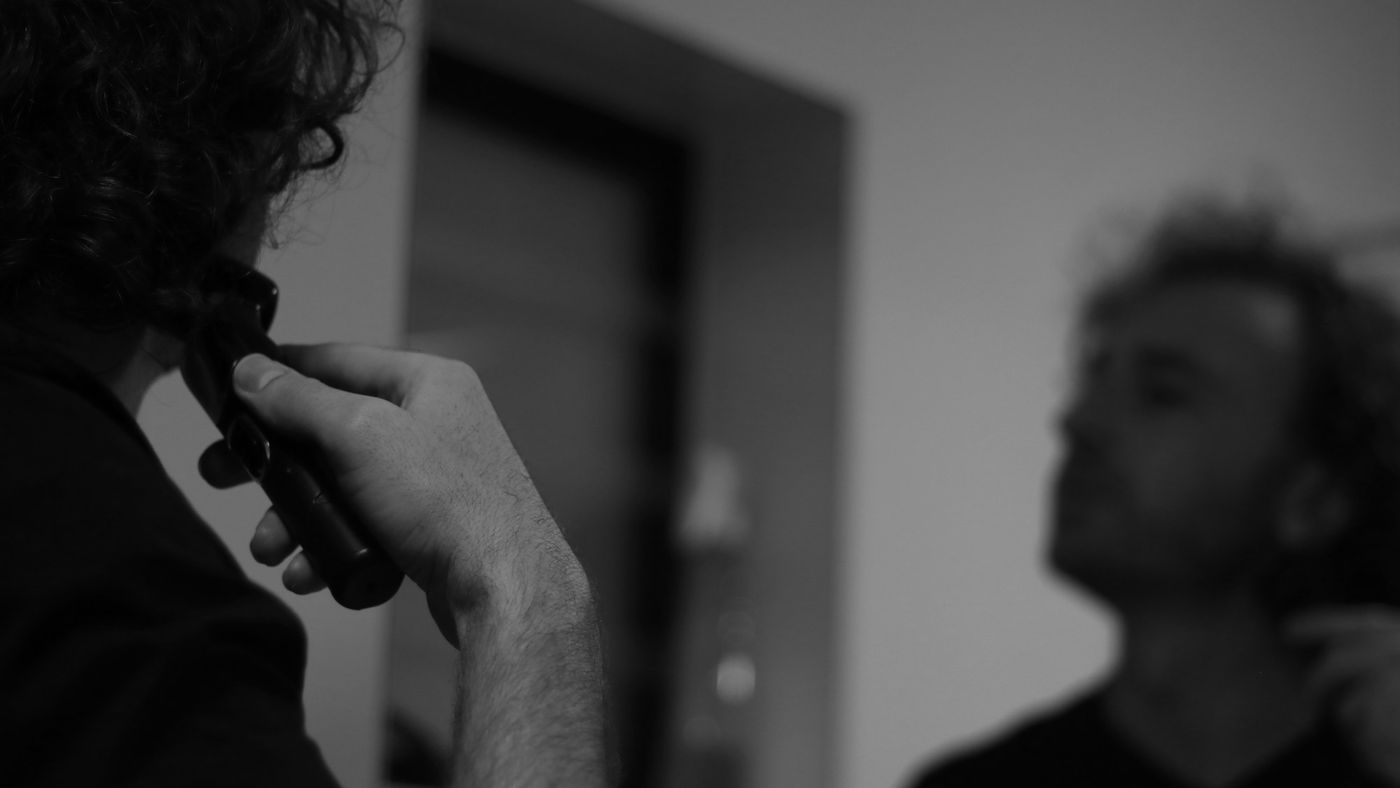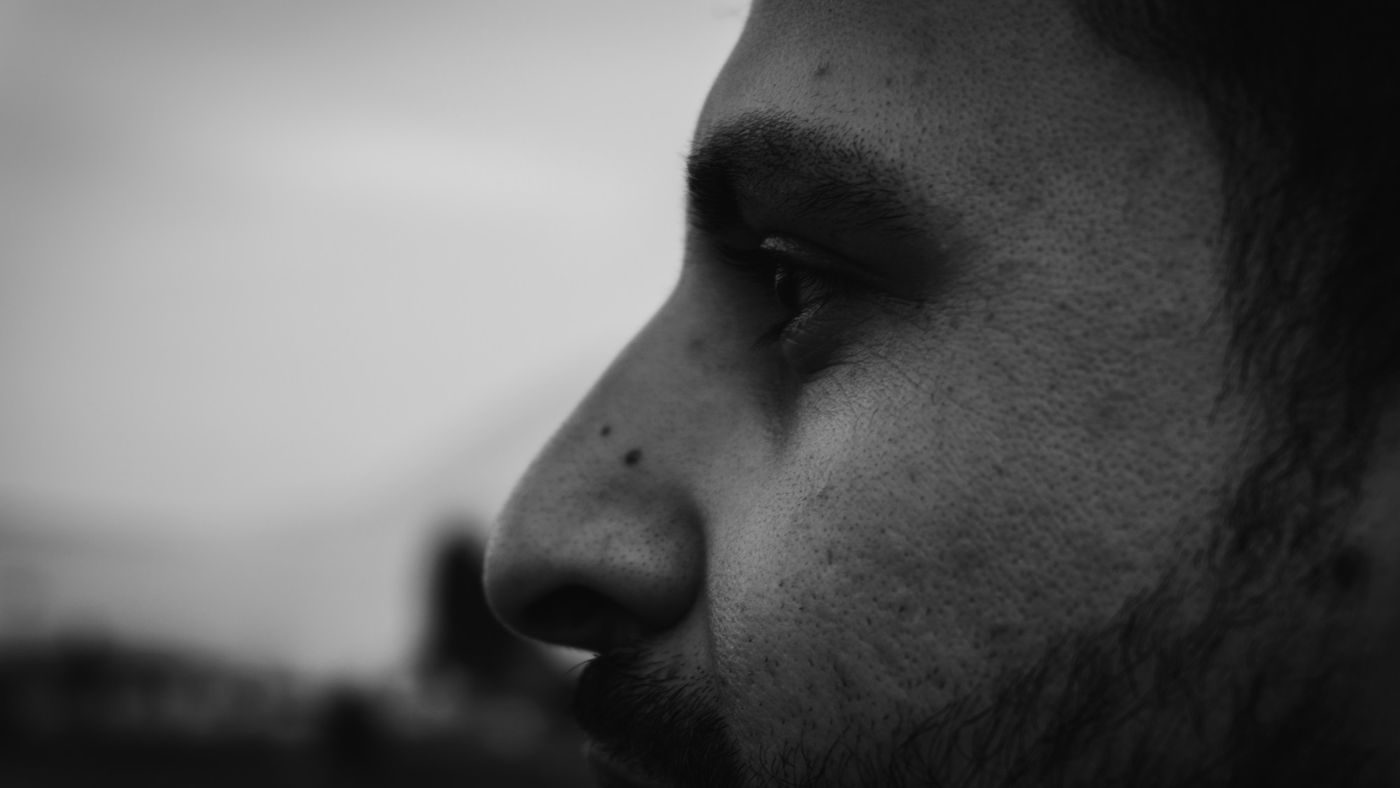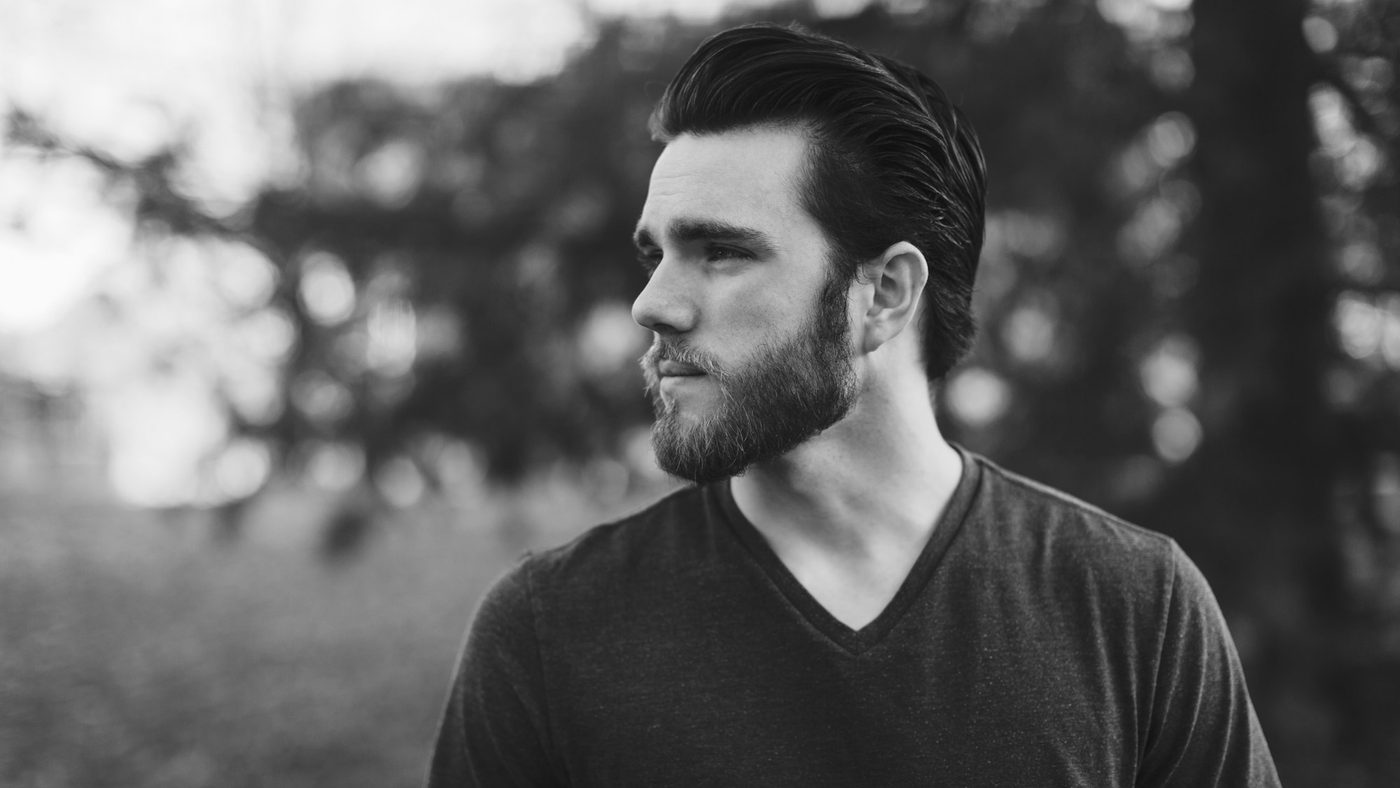
The stubble beard has a strange reputation. It’s supposed to look like you didn’t try. And it does look like that — right up until you actually stop trying, at which point it looks like you lost your razor and your will to live in the same week. Good stubble is a managed thing. It just doesn’t want anyone to know that.
So this is the guide to the managed version: what length you’re aiming for, where the lines go, how to get through the itchy part, how often to trim, and who it suits. No mystery. Mostly a trimmer, a mirror and a little restraint.
What counts as a stubble beard
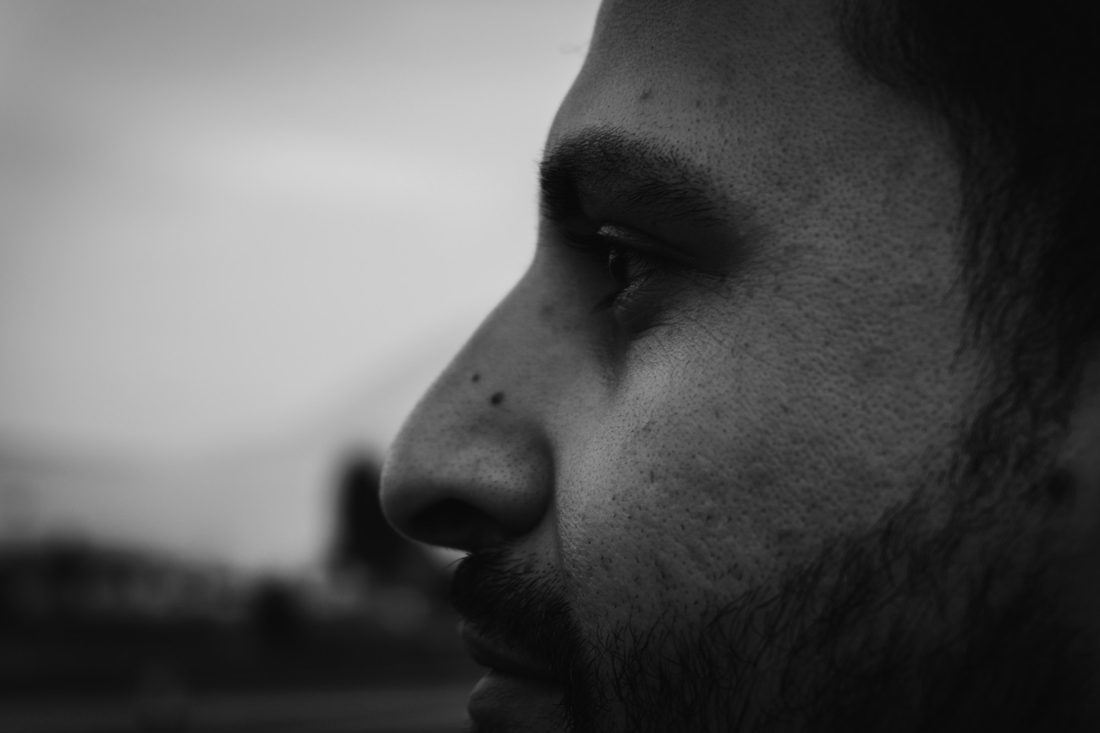
Stubble is facial hair that’s grown past a fresh shave but hasn’t committed to being a beard yet. It sits close to the skin, follows the shape of your face, and shows your jawline instead of covering it. That last part is the whole appeal. A full beard reshapes your face. A stubble beard just adds shadow to the face you’ve got.
The range runs from the faint shadow you get by the end of a long day to a dense, even layer that’s clearly deliberate. Somewhere past that, it stops being stubble and becomes a short beard. Nobody hands out a certificate at the border. You’ll know when you’re there because people stop saying "you look tired" and start saying "you’re growing a beard?"
Light, medium and heavy stubble, by trimmer length
This is the part everyone actually came for. Trimmer guards are labeled differently from one tool to the next, so treat these as typical ranges, not laws of physics:
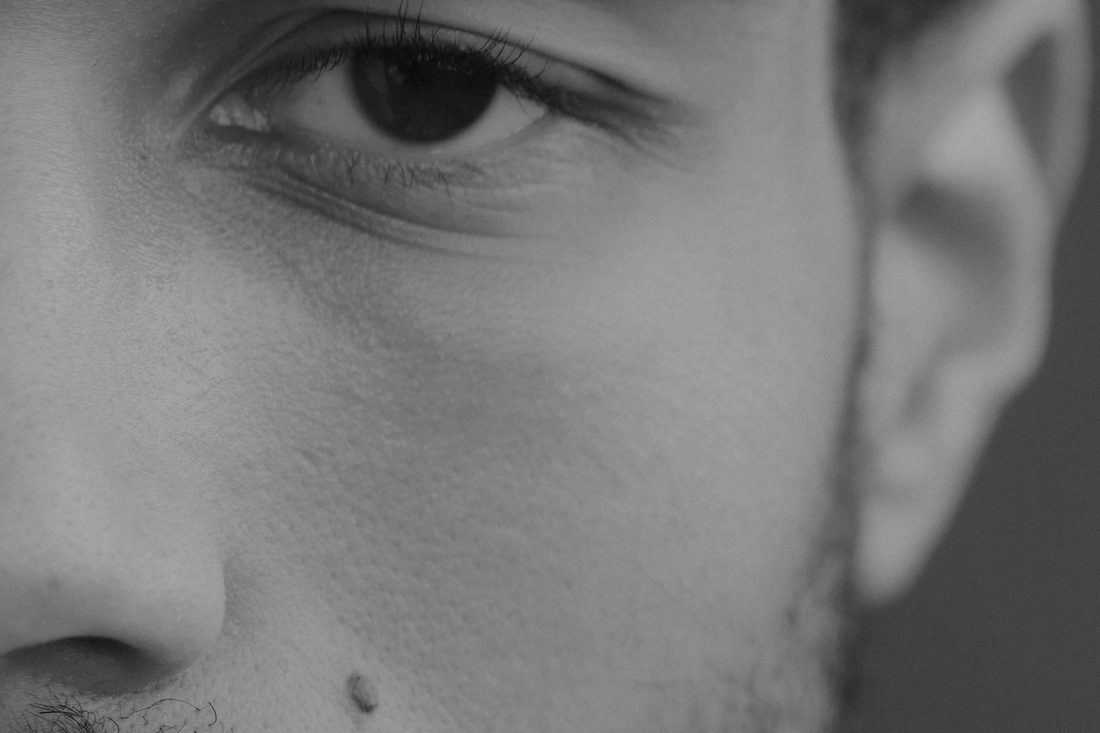
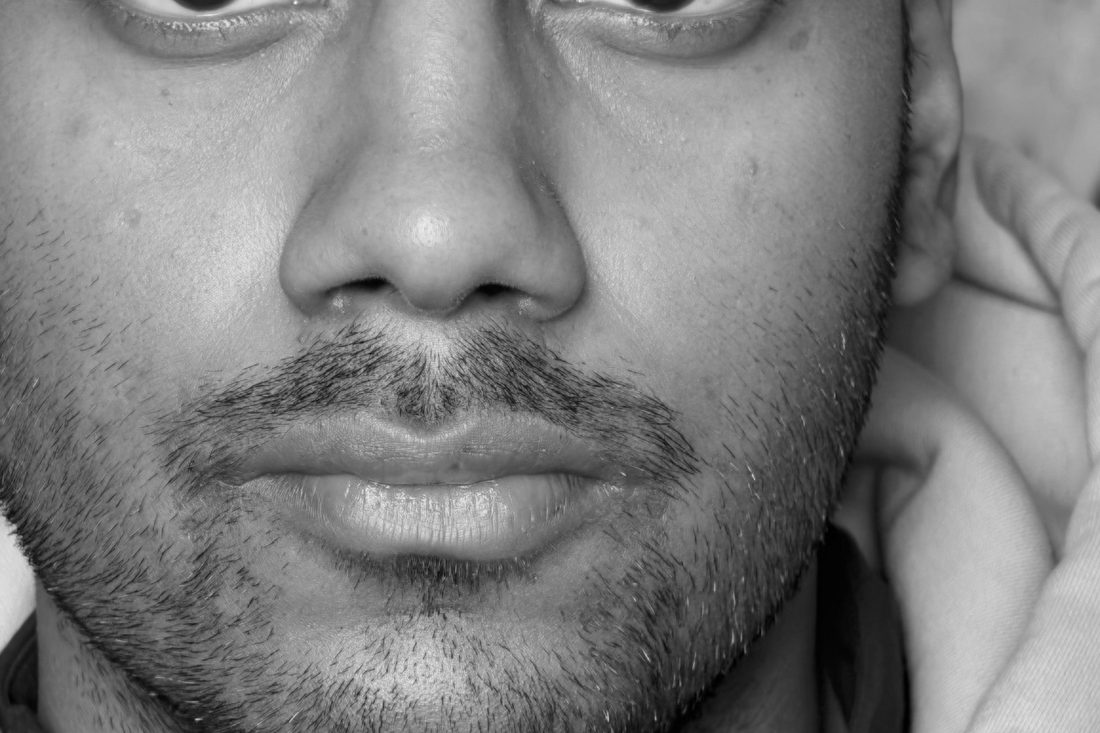
- Light stubble: about 1–2 mm. This is the beard 5 o’clock shadow look, held on purpose. It reads as clean from across the room and textured up close. It’s the easiest version to keep tidy and the hardest to get wrong.
- Medium stubble: about 3–5 mm. The most popular setting, and for good reason. Enough hair to read as a style, short enough that the skin still shows through. This is what most people picture when they say "stubble beard."
- Heavy stubble: about 5–10 mm. Dense, darker, and closer to a short beard. Heavy stubble gives the most shape to a soft jaw and hides the most patchiness, but it needs cleaner lines to keep from sliding into scruffy beard territory.
So what’s the right heavy stubble guard length? Usually somewhere in that 5–10 mm range, and where you land depends on how dense your hair grows. Thick, dark growth can look heavy at 5 or 6 mm. Lighter or sparser growth might need closer to 8 or 10 mm to look like anything. Start longer than you think. You can always take more off. You can’t trim it back on, a lesson most men learn exactly once.
If guard numbers in general confuse you — they confuse everyone — haircut numbers explained breaks down how guard sizes work on clippers, and the same logic applies to beard trimmers.
Scruffy beard vs stubble beard: the difference is lines
Here’s the secret, such as it is. A scruffy beard and a good stubble beard can be the exact same length. The difference is almost entirely the edges.
Scruff has no borders. It drifts down the neck, creeps up the cheeks, and stops wherever it gets tired. Stubble has two quiet lines that do all the work:
The neckline
This is the big one. Hair below the line on your neck gets shaved or trimmed to the skin. Hair above it stays at your stubble length. The usual guideline is about one to two fingers above the Adam’s apple, curving back toward the corners of the jaw just behind the ears. Too high and it looks like a chinstrap from below. Too low and it’s neck hair, which is a look, but not this one. We have a whole post on where your beard neckline should be, because people have feelings about it.
On stubble, the neckline should be soft rather than razor-sharp. A hard edge on 3 mm of hair looks drawn on. Many guys fade it slightly — the last half inch above the line taken a little shorter — so it disappears instead of stopping.
The cheek line
The cheek line is the upper edge. With stubble, you usually follow your natural growth line and just clean up the strays that wander high on the cheekbone. Don’t carve it down too low. On short hair, a dramatic cheek line makes your face look like it’s wearing a beard-shaped sticker.
Get those two lines right and nearly any stubble length looks intentional. Skip them and even a precise length looks like you’ve been snowed in.
Growing in: the itch phase
If you’re starting from a clean shave, expect a week or two where things feel worse before they look better. Short hairs have sharp, freshly cut tips, and as they grow they can poke and irritate the skin. This is the itch phase, and it’s the main reason guys give up on stubble around day five.
A few things that help:
- Wash your face daily with a gentle cleanser so oil and dead skin don’t build up under the new growth.
- Moisturize the skin. A light beard oil or a plain moisturizer works fine at this length.
- Don’t scratch. Easy to say, I know.
- Keep your hands off it generally. Stubble invites stroking. Resist. You’re not a villain in a movie.
Our post on beard itch goes deeper into why it happens and how to make it stop. And if you see red, painful bumps rather than plain itch, those may be ingrown hairs — the Mayo Clinic’s overview of ingrown hair explains what’s going on. See a dermatologist if bumps are persistent, painful or spreading.
For general skin and beard care at any length, the American Academy of Dermatology’s tips for a healthy beard are short and sensible.
How often to trim a stubble beard
This is the annoying truth about stubble: it’s more upkeep than a real beard, not less. Facial hair grows steadily, and at 3 mm, a few days’ growth is a big percentage change. A full beard can go a week and nobody notices. Stubble goes a week and it’s a different style.
A realistic schedule:
- Every 2–3 days: run the trimmer over everything at your chosen guard length. It takes a few minutes. Go against the grain gently if you want it even, with the grain if your skin is sensitive.
- Every few days: clean up the neckline and any strays on the cheeks.
- Every few weeks: have a barber reset the lines, so your home trims have something correct to follow.
Light stubble needs the most frequent touch-ups, since the margin for error is tiny. Heavy stubble buys you an extra day or two. Either way, the trimmer lives on the counter, not in the drawer.
If you’re trying to decide whether to stop at stubble or keep going, how long it takes to grow a beard is a useful reality check. Most guys need several weeks before a full beard looks like a plan instead of an accident.
Who a stubble beard suits
Short answer: most men. That’s partly why it’s everywhere. Longer answer:
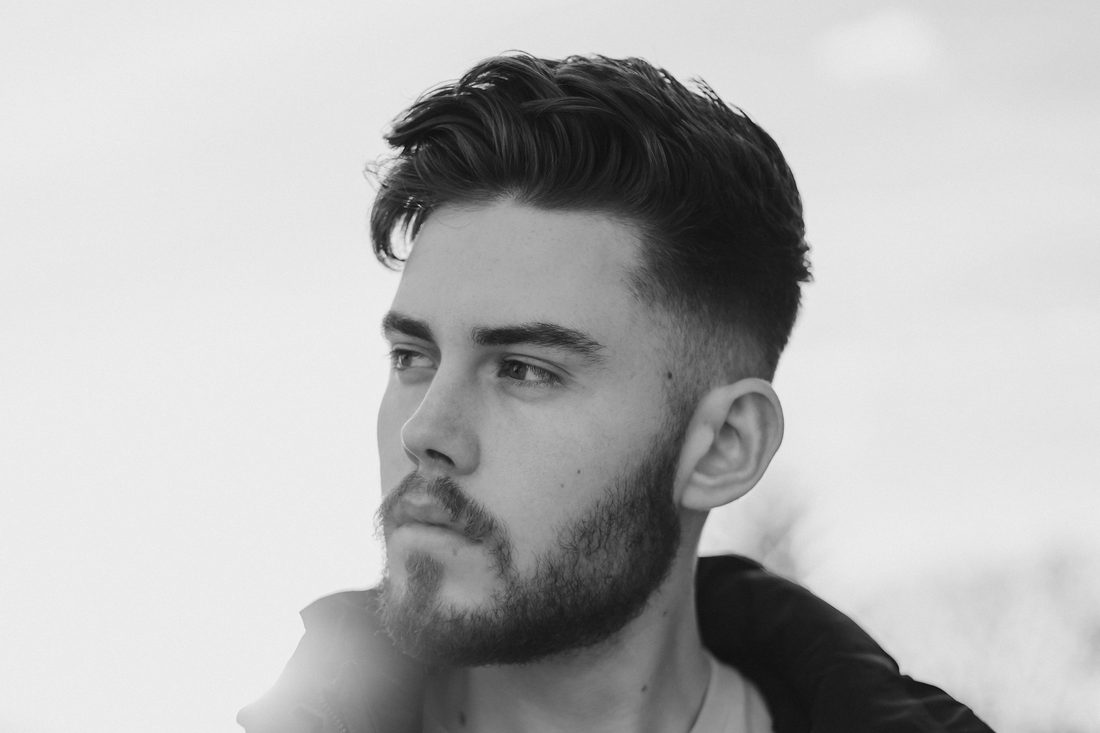
- Softer jawlines. Medium to heavy stubble adds shadow along the jaw and makes it read sharper. It’s the cheapest contouring available.
- Patchy growth. Stubble hides patches better than a longer beard, which tends to show every gap. A heavier stubble at 6–8 mm is often the sweet spot.
- Rounder faces. Keeping the sides shorter and the chin slightly fuller elongates the face. If that’s you, haircuts for a round face pairs well with this.
- Work dress codes. Light stubble passes in most offices. Heavy stubble passes in most offices that also have a foosball table.
- Guys who don’t want to commit. Stubble is the reversible option. Shave it off Sunday night and no one asks questions.
The people it’s harder on are those with very light or very fine facial hair, where stubble can barely register, and those with sensitive skin that hates being trimmed this close this often.
Stubble beard variations
Stubble doesn’t have to be one even length everywhere. A few ways guys change it up:
- Goatee with stubble. Let the chin and mustache run a few millimeters longer than the cheeks. The goatee stands out, but softly. If you like the idea, our goatee styles guide covers the shapes that work, stubble goatee included.
- Faded stubble. Shorter at the sideburns, a touch longer toward the chin, so the beard blends into a fade haircut. This is the logic behind the beard fade, scaled down.
- Mustache-forward. Mustache a bit longer than the rest. Works if your mustache grows in dense and your cheeks don’t.
Want something with more definition than stubble but still short? Browse ten beard trim styles for the next step up.
How to ask your barber for it
"Just clean it up" means something different to every person who says it. Be more specific. Tell your barber the length you want (light, medium or heavy, or the guard number if you know it), where you want the neckline, and whether you want the cheeks left natural or tidied. Bring a photo if you have one — that beats any description.
At the shop, beard work comes with the Classic & Beard: 30 minutes, starting at $35, with full beard sculpting and line work along with the haircut. If all you need between cuts is clean edges and a neck shave, the Edge Up runs 10 to 15 minutes, starting at $12. Our services page lists the full menu, and you see each barber’s exact rate before you confirm. Once the lines are set, maintaining them at home is just following the map.
Coming from Northtown Center at Amherst
If you’re leaving a skate or a hockey game at the Northtown Center at Amherst (1615 Amherst Manor Dr), the Town of Amherst’s ice rink complex, the shop is about 16 minutes and 4.9 miles away via Maple Rd and Youngs Rd:
- Head south out of the lot (about 390 ft).
- Turn left toward N Maplemere Rd.
- Turn right onto N Maplemere Rd (0.1 mi).
- Turn left onto Maple Rd (2.9 mi).
- Turn right onto Youngs Rd (1.7 mi).
- Turn right onto Main St (about 400 ft).
- Turn into 6100 Main St — the shop is on the left.
Open these directions in Google Maps.
Our Williamsville shop is at 6100 Main St., open Tuesday through Friday 9AM to 6PM and Saturday 8AM to 12PM, closed Sunday and Monday. It serves Williamsville, Amherst and Snyder. Jon Palmeri (owner, master barber), Dave Scolla (master barber), Michael Falzone and Bryan Castronova (licensed NYS barbers) are on the chairs. For more on picking a shop in the area, see choosing a barber shop in Williamsville. Walk-ins are welcome when there is an open chair — appointments are encouraged, so call 716-389-0192 to confirm someone is free. Or book online, or call 716-389-0192.
Come in looking like you tried. Leave looking like you didn’t.