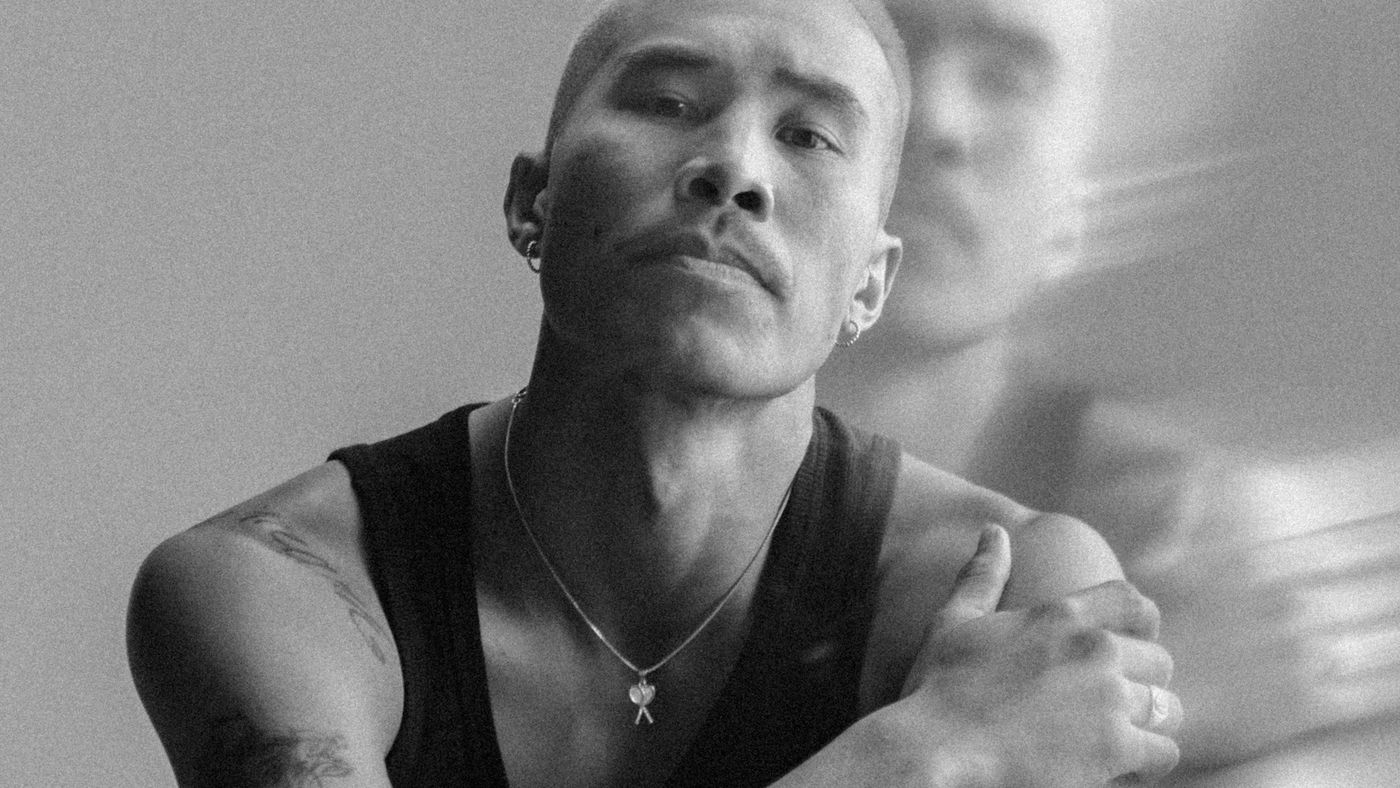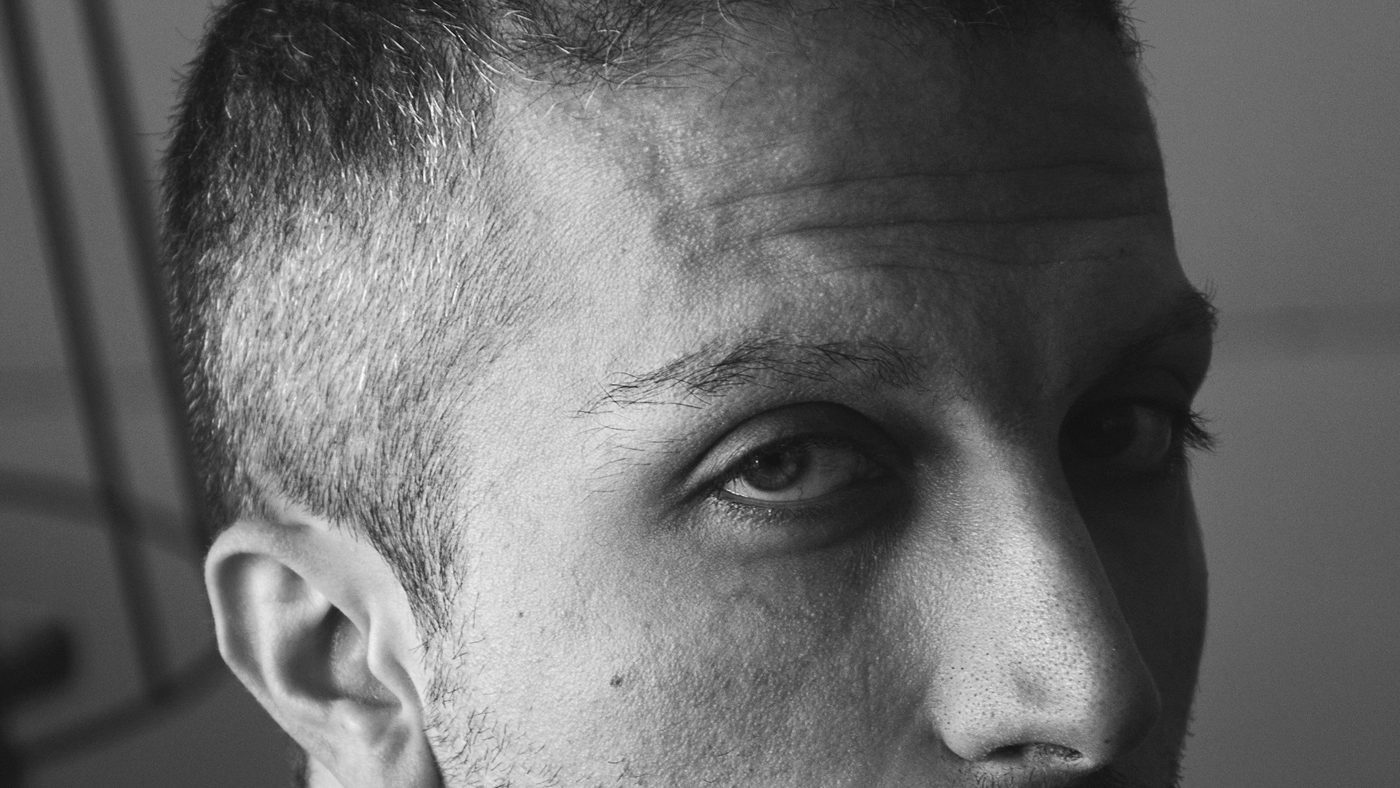
Let’s get the big one out of the way: a widows peak hairline is not a diagnosis, a character flaw or a sign that you’ll be bald by Thanksgiving. It’s a shape. A V-shaped point at the center of your hairline, with the hair sweeping back a bit on either side. Plenty of men have one, plenty of them have had it since they were kids, and most of the people who notice it are the men themselves, standing too close to a bathroom mirror under bad lighting.
So here’s the attitude we take in the chair: your hairline is not a problem to hide; it’s a shape to cut around. Below, we’ll knock down a few myths, explain what’s actually going on, and walk through eight haircuts that make a widow’s peak look like it was part of the plan all along.
What a widows peak hairline actually is
A widow’s peak is a hairline that dips down to a point in the middle of the forehead. The name is old — it comes from a pointed hood that widows once wore in mourning — and it has been attached to more superstition than any hairline deserves.
For a lot of men, it’s simply their natural hairline. They had it in their school pictures and they’ll have it in their retirement photos. For others, the peak becomes more pronounced over time because the temples on either side move back while the center holds its ground. The point didn’t grow; the corners left.
That second pattern is common with male-pattern hair loss, which is largely genetic. MedlinePlus has a clear, plain-language overview of androgenetic alopecia if you want the background. We’re barbers, not doctors, so if you’re worried about hair loss — especially if it’s sudden, patchy, or comes with itching or soreness — the right person to see is a dermatologist. What we can do is cut your hair so it looks good on the hairline you have today.
Five myths, briefly demolished
Myth 1: "A widow’s peak means you’re going bald."
Not by itself. Many men keep a stable widow’s peak for life. A peak that gets sharper as the temples recede is a different story, but the peak isn’t the cause — it’s just the part that stayed.
Myth 2: "You have to hide it."
You don’t, and trying usually backfires. Combing hair forward to cover a peak leaves the point poking through the gaps, which draws more attention, not less. Most of the best cuts for a widow’s peak go the other direction and show the hairline on purpose.
Myth 3: "Only a buzz cut works."
A buzz cut works. So do six or seven other haircuts, several of them with real length on top. We’ll get to them.
Myth 4: "A barber can straighten it out."
Some guys ask us to "fill in" or "square off" the point with an edger. We’ll talk you out of most of that. Shaving the hairline back to make it straight moves the whole front of your head up, grows back stubbly in a week, and often looks more artificial than the peak ever did. A light cleanup of stray hairs is fine. Redrawing the border is a bad trade.
Myth 5: "It runs in the family, so it’s a curse."
Hairline shape does tend to run in families. So do noses. Nobody’s asking for a nose-hiding haircut.
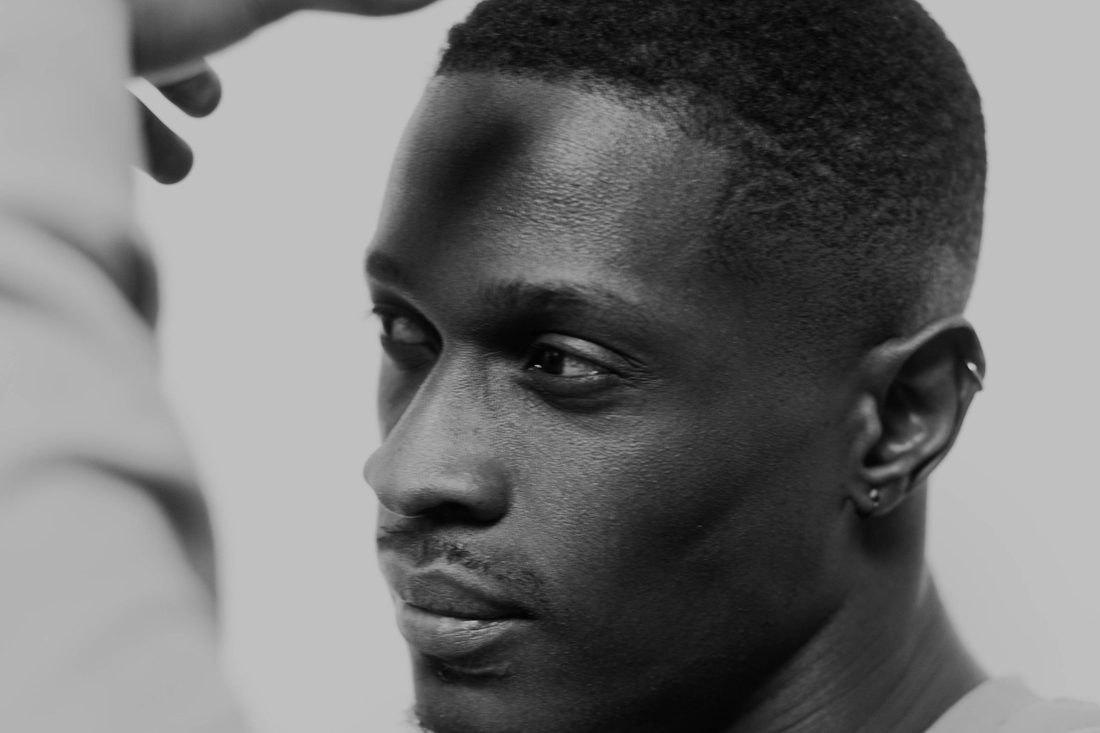
The 8 best men’s widows peak haircuts
A good men’s widows peak haircut does one of two things: it moves the hair away from the forehead so the peak becomes a frame, or it keeps everything short enough that the hairline is just one line among many. Here are the cuts that do it best, roughly from most hair to least.
1. The slick back
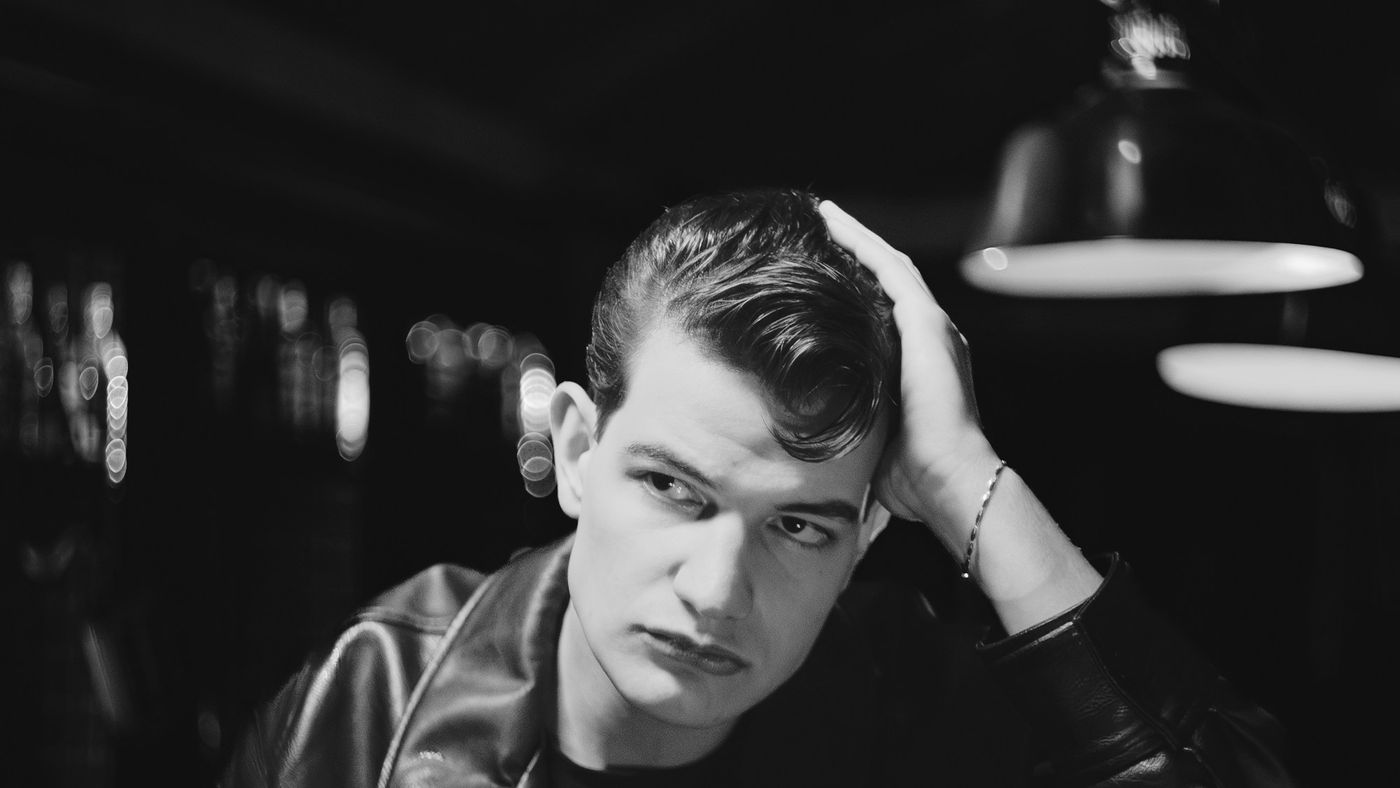
The classic answer. Everything on top combed straight back, with the sides tapered or faded. The peak sits at the front like an arrowhead pointing at your face, which sounds dramatic but looks sharp — it’s the hairline that a lot of old film stars had, and nobody told them to hide it.
You’ll want some length on top, usually a few inches, and a product with hold and some shine. Our guide on how to use pomade covers the technique. If the temples have receded a lot, ask for a slightly shorter, looser version so the scalp doesn’t show through in stripes.
2. The quiff
Volume at the front, swept up and back. A quiff is one of the best cuts for a widow’s peak because the lift starts right at the point and carries the eye upward. The peak becomes the base of the shape instead of the edge of it.
It takes a blow-dryer and a few minutes in the morning. If that’s a dealbreaker, keep reading.
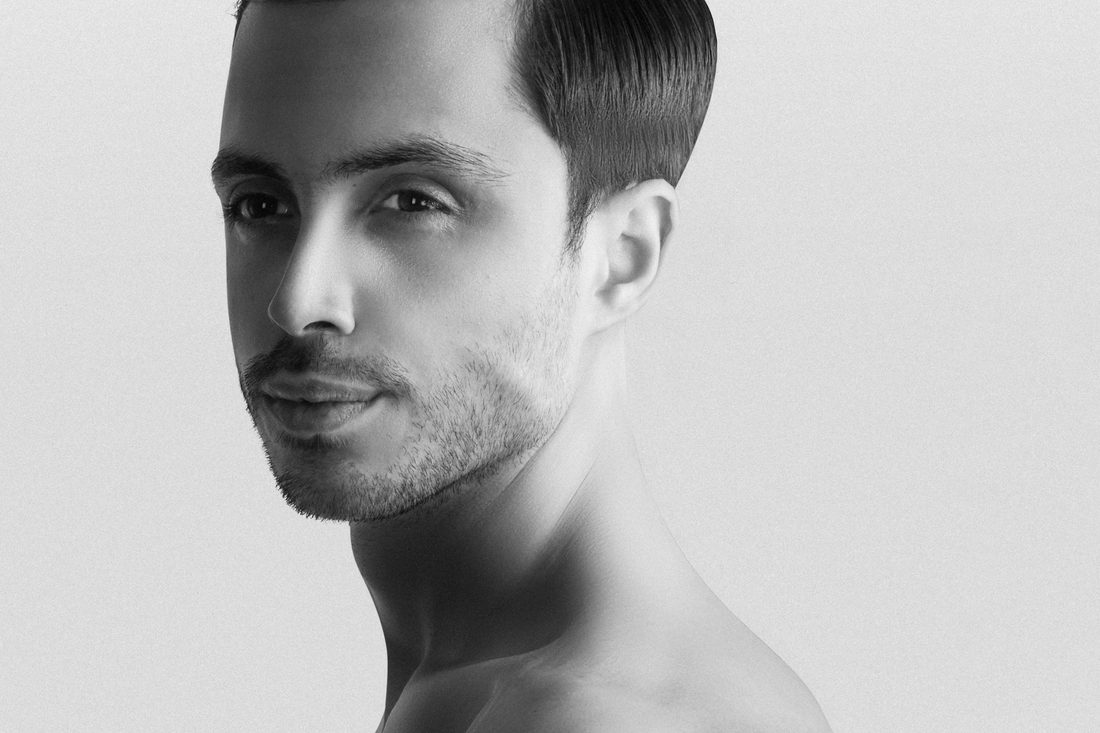
3. The pompadour
The quiff’s taller, more formal cousin: hair swept up and back in one smooth roll, sides short. It needs more length and more product than a quiff, and it rewards a peak the same way — the front of the roll starts at the point. Not for every day or every guy, but if you like a strong silhouette, it’s a good match.
4. The side part or comb over
A side part breaks up the symmetry of a V-shaped hairline, which softens it. The hair sweeps across from the part instead of falling forward, so the peak sits off to one side of the movement. Pair it with a fade or taper and you’ve got a comb over fade, one of the most reliable cuts on this list. Put the part where your hair naturally wants to split — your barber can find it in about five seconds.
5. The textured crop with a messy top
Here’s where some guys get nervous, because crops usually push hair forward. The trick is the messy top. A textured crop cut with choppy, broken-up texture and styled up and slightly forward — not combed flat into straight bangs — blurs the hairline instead of tracing it. The peak disappears into the texture rather than sticking out under a hard line. A little matte product helps; our post on texture powder explains how to use it.
What doesn’t work as well: a blunt, heavy crop combed straight down. That gives the peak a ruler to stand against.
6. The crew cut
Short on the sides, a little longer on top, pushed up or lightly to the side. A crew cut keeps enough length to have some shape but not enough for the hairline to dominate. It’s low-effort and works on nearly any face. Not sure where the line is between this and a buzz? See crew cut vs. buzz cut.
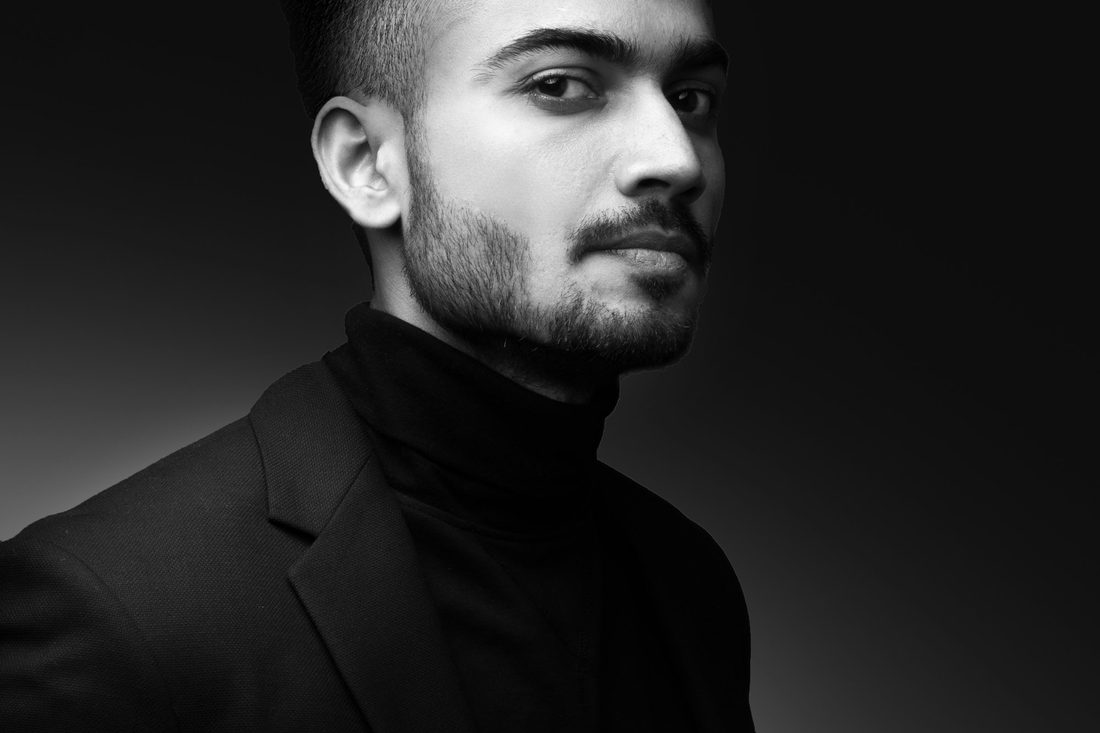
7. The buzz cut
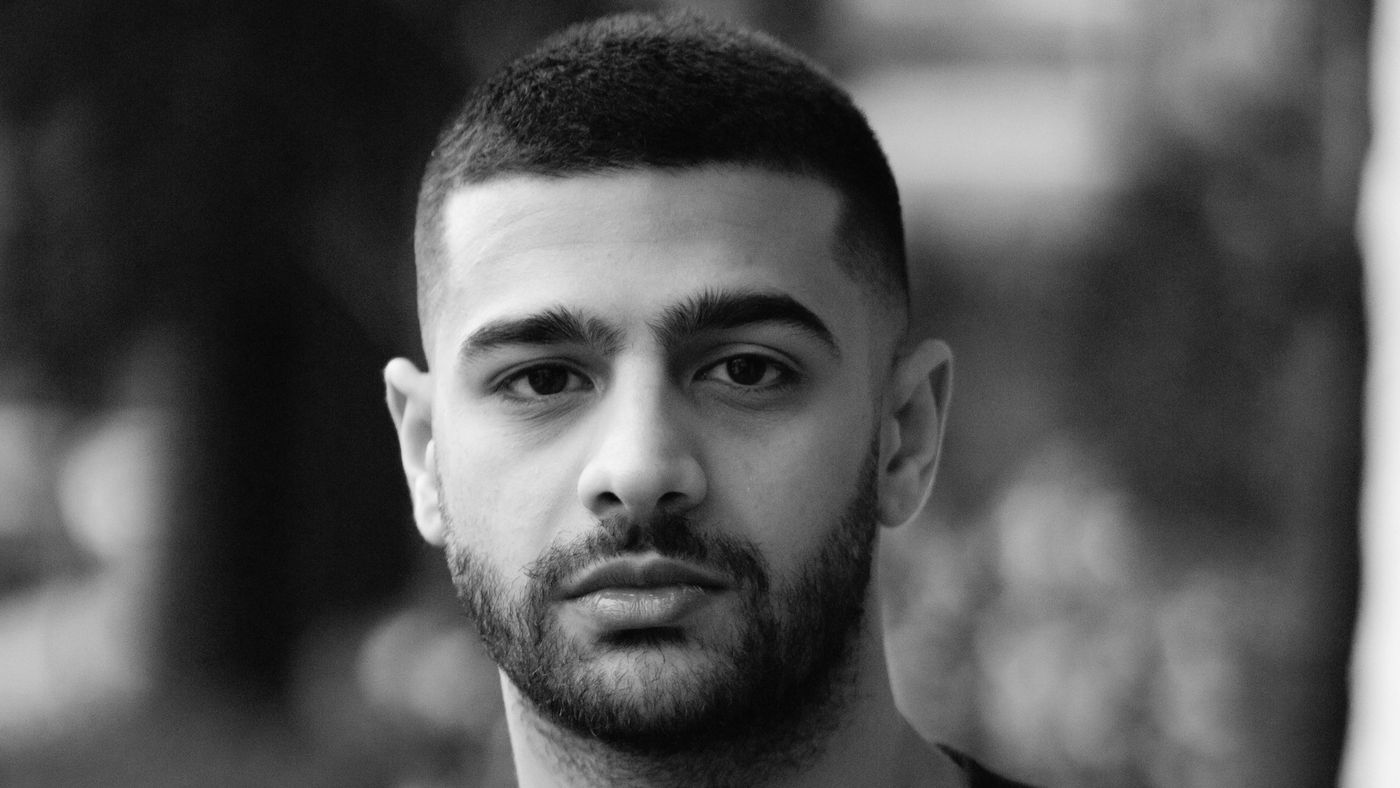
The ultimate shrug. When everything is the same short length, the hairline is just the edge of a uniform shape, and a widow’s peak reads as clean and even. It’s especially good if your temples have receded and you’re tired of styling around it. A slightly longer guard on top than on the sides keeps the shape from looking like a helmet.
8. The high and tight or short fade with length up top
Very short sides with a short, defined top. The sharp contrast on the sides pulls attention outward and down, so the front hairline becomes one part of a strong overall shape instead of the main event. Ask for the top pushed up or back, not forward. If you’re deciding how high or tight the sides go, our breakdown of fade vs. taper helps.
What to avoid
The cuts that fight a widows peak hairline have something in common: they put a straight line right next to a pointed one.
- Heavy, straight bangs. Any style that combs a solid curtain of hair down over the forehead. The peak either shows through the middle or forces the bangs to split.
- A dead-center part. It points straight down at the peak, making the V into a Y.
- A long, flat top with no shape. When the hair is long enough to fall forward but there’s no structure, it parts naturally at the peak whether you want it to or not.
- An edged-in, artificially straight hairline. See Myth 4. It’s a short-term fix with a long, stubbly tail.
If your forehead runs tall as well, many of the same principles apply — our guide to haircuts for a big forehead goes deeper on proportions. And if your temples have moved back noticeably, the overlap with haircuts for a receding hairline is large.
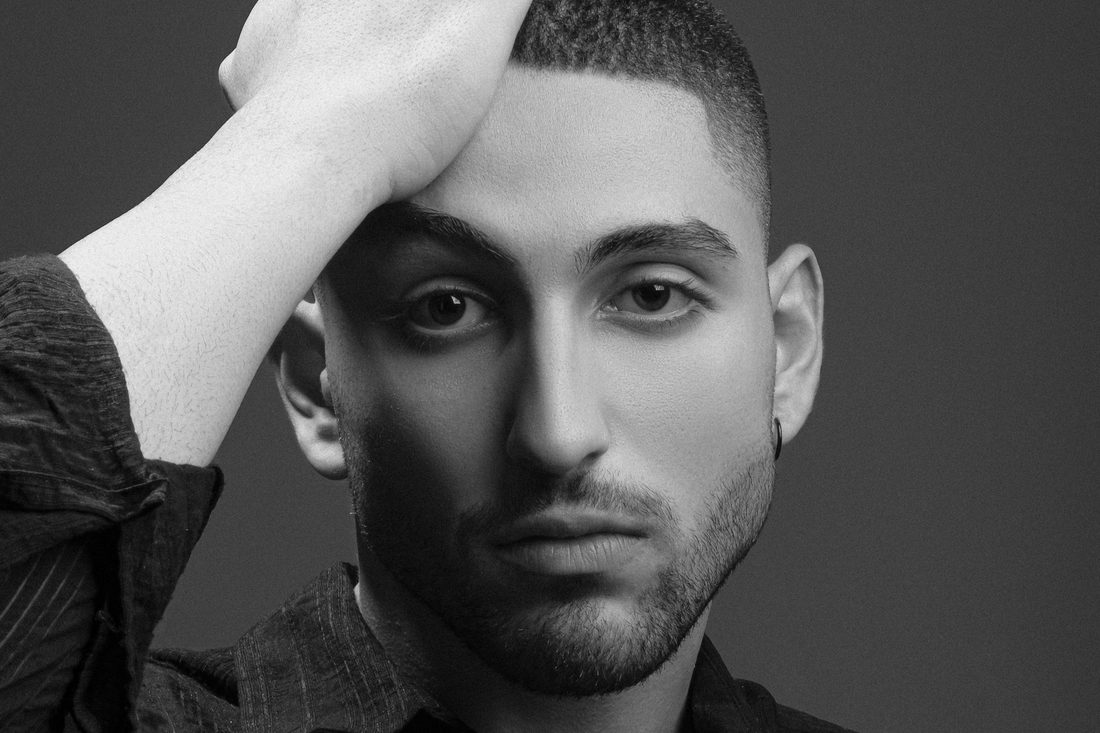
How to ask for a cut that works with your widow’s peak
You don’t need special vocabulary. Sit down and tell your barber three things:
- Which direction you want the top to go. Back, up, to the side, or messy. "Not combed forward" is a perfectly good instruction.
- How much time you’ll spend on it. A quiff in the chair is a quiff at 6:40 on a Tuesday only if you’re willing to blow-dry. Be honest.
- Whether you’ve noticed any change. If your temples have been moving, say so. Your barber will leave a little more density at the corners and avoid cutting the front too short.
A photo of the style you like — on someone whose hairline resembles yours — is worth more than any description. And ask your barber not to touch the peak with the edger beyond tidying strays.
Taking care of the hair at the front
The front hairline is the part of your head that takes the most styling, the most product and the most rubbing from hats. Be gentle with it. Wash out heavy products regularly, don’t yank a comb through hair that’s knotted, and go easy on very tight styles that pull at the hairline every day. The American Academy of Dermatology’s tips for healthy hair are simple and worth following. None of that changes the shape you were born with, but it keeps the hair you have in good condition.
Plan on a trim every three to five weeks for most of these cuts. Shorter styles like the crew and buzz look best on the shorter end of that range, because the hairline is crisper when the length is even.
Coming from Tonawanda Castle
If you’re heading over from an event at the Tonawanda Castle at 69 Delaware St — the castle-style event venue at the other end of Delaware Street — you’re about two minutes and one mile away. It’s a straight shot.
- From Tonawanda Castle, head toward Delaware St (about 50 ft).
- Turn left onto Delaware St (0.9 mi).
- Turn right into 578 Delaware St. You’re here.
Open these directions in Google Maps
Living elsewhere in town? The Town of Tonawanda and its neighbors in Kenmore, North Tonawanda and North Buffalo are all a short drive.
Get a widow’s peak haircut in Tonawanda
Our Tonawanda shop is at 578 Delaware St., open Tuesday through Friday 7AM to 7PM and Saturday 8AM to 1PM, closed Sunday and Monday. Dorian Mayham, Sam Balesteri and Zaid Blasiny cut around every kind of hairline, and you can read more about them on our barbers page. A Classic cut runs 30 minutes, starting at $25, with clippers, scissors, edger and straight razor; you’ll see each barber’s exact rate before you confirm.
Book online or call 716-389-0192. Walk-ins are welcome when there is an open chair — appointments are encouraged, so call 716-389-0192 to confirm someone is free.